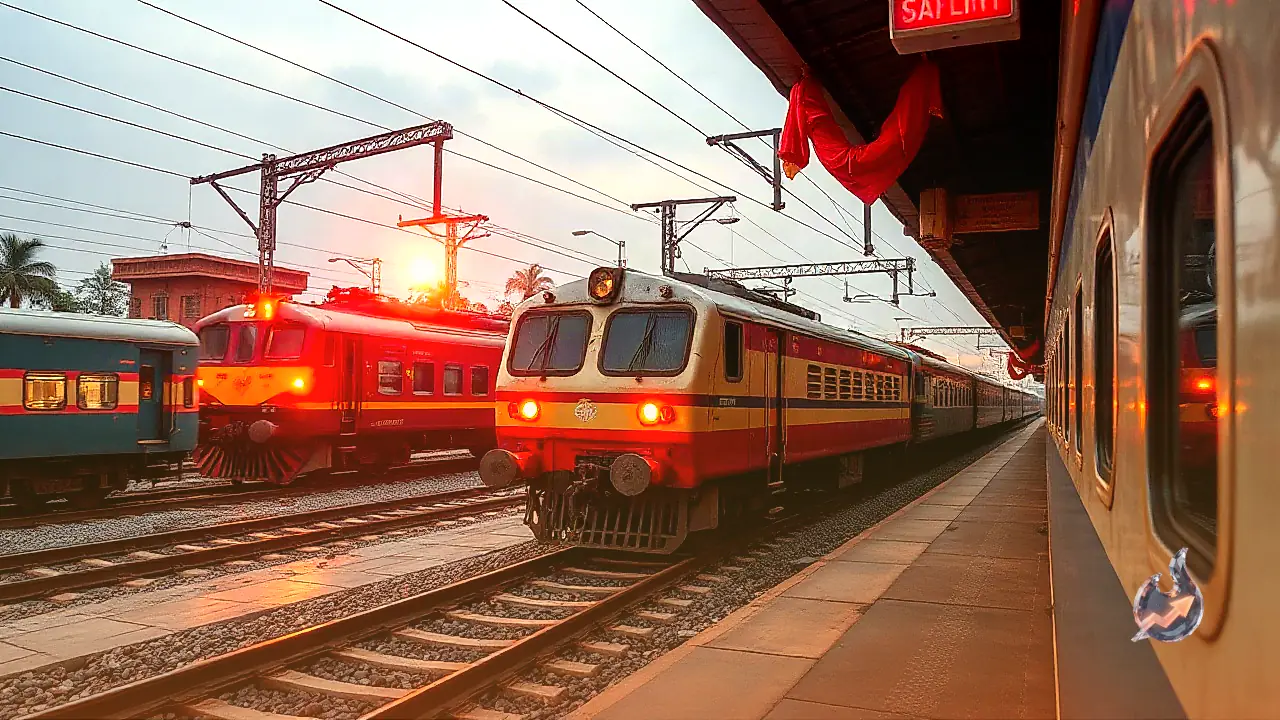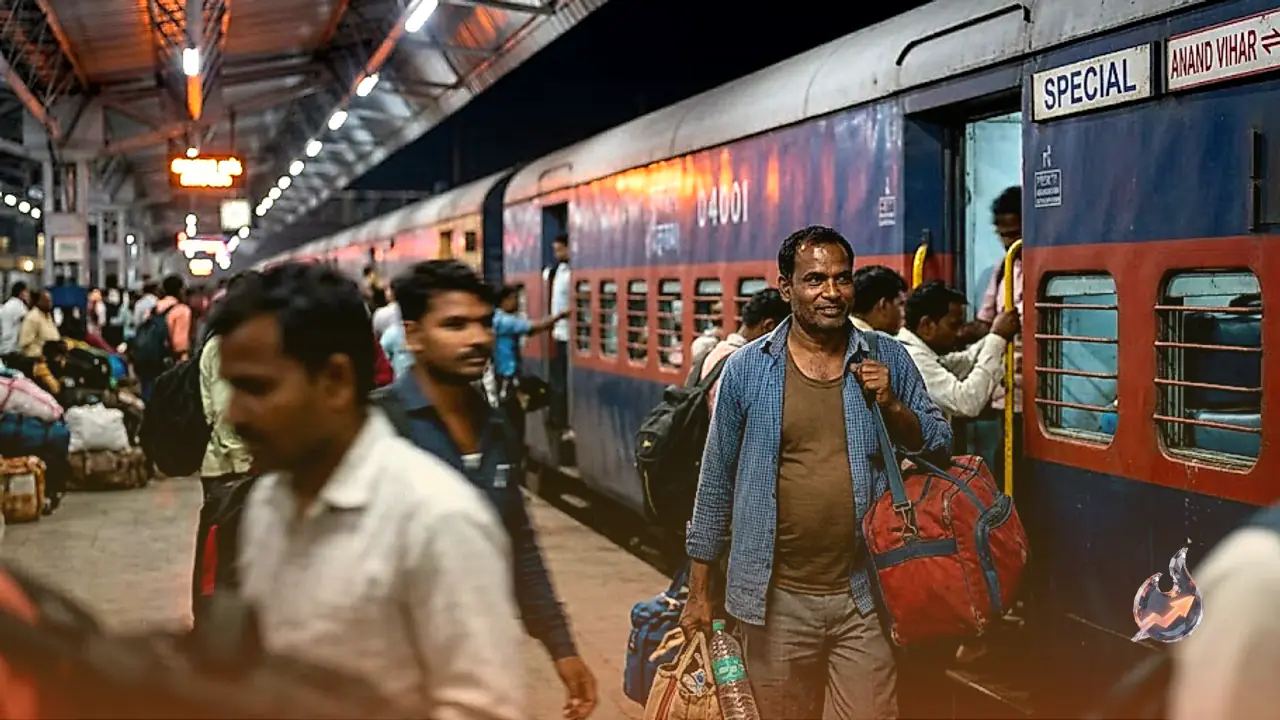























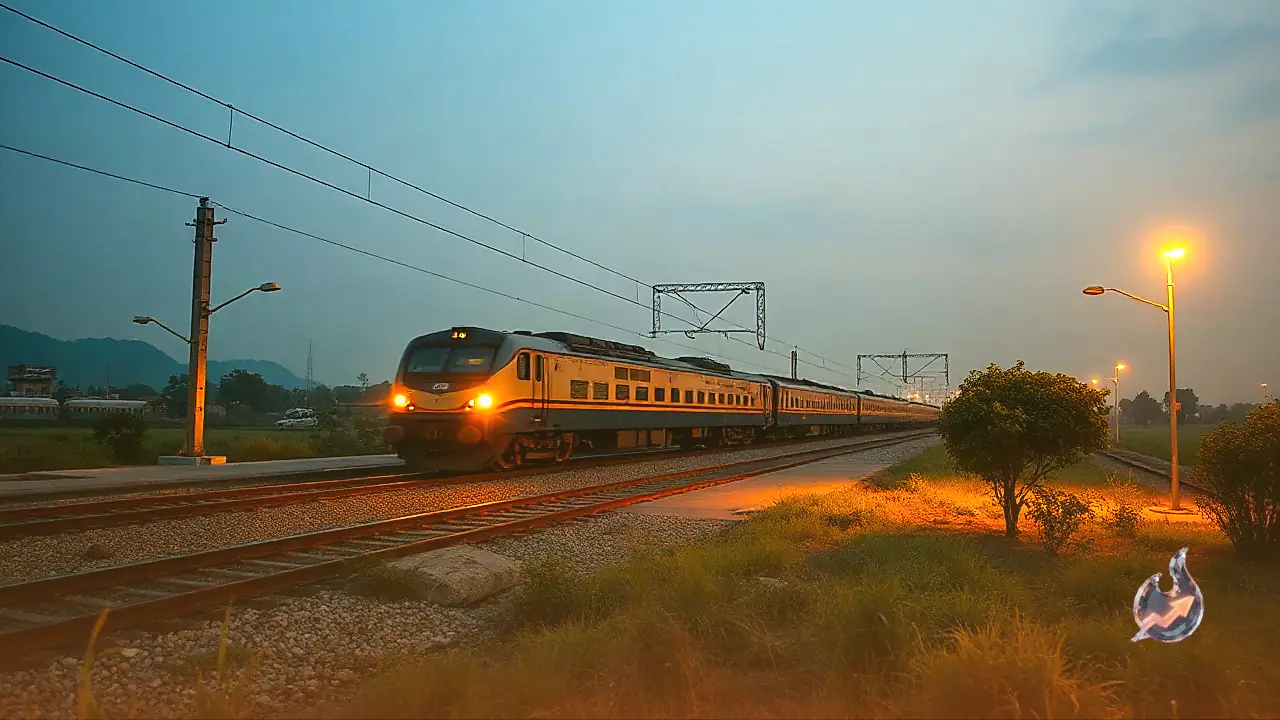

Rail connectivity between western India and Bihar is set for a substantial boost with the introduction of a fresh Amrit Bharat Express service connecting Bhuj with Barauni. Spanning an extensive distance of roughly 2,532 kilometres across Gujarat, Rajasthan, Uttar Pradesh, and Bihar, this newly approved rail link aims to provide reliable long-distance transit for thousands of regular passengers.
Tri-weekly Schedule and Timings
The service will operate thrice every week in each direction to handle steady passenger demand. Operating under train number 19427, the service departing from Bhuj will run on Mondays, Wednesdays, and Saturdays. It is scheduled to pull out of Bhuj at 5:30 pm in the evening and complete its journey at Barauni on the third day at 4:05 am.
For the return journey, train number 19428 will depart Barauni every Tuesday, Thursday, and Saturday. Leaving Barauni late at night at 11:55 pm, the train will reach Bhuj at 1:15 pm on the third day of its run, offering a dependable transport corridor for passengers crossing multiple states.
Key Intermediate Stops Across Four States
Due to the vast geography covered by this route, the train has been designated stops at several vital commercial, pilgrimage, and regional transport junctions. Within Gujarat, Samakhiali and Ahmedabad represent key halt locations, leading further into crucial intersections such as Ratlam, Kota, Sawai Madhopur, Gangapur City, and Bharatpur.
Entering Uttar Pradesh, the train will serve stations including Mathura, Hathras, Bareilly, Izzatnagar, Pilibhit, Lakhimpur, Gonda, and Gorakhpur. Progressing into Bihar, it will link Siwan, Chhapra, Hajipur, Muzaffarpur, and Samastipur before arriving at its terminus in Barauni, joining several high-density passenger zones onto a single route.
Enhanced Relief for Long-Distance Travellers
The introduction of a direct connection between western Gujarat and northern Bihar offers major logistical ease for migrant workers, students, and traders. Travellers commuting between these regions previously had limited direct choices, often requiring complex interchanges during seasonal rush periods, an issue this direct service directly addresses.