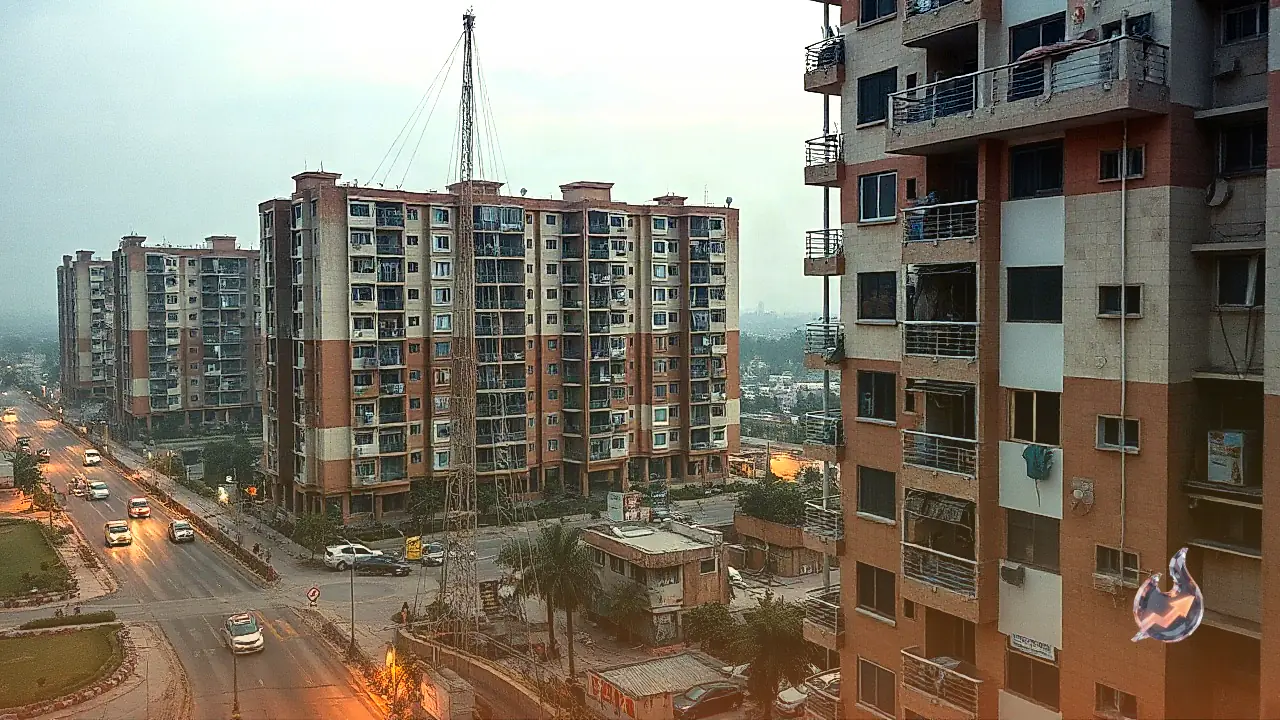























Urban infrastructure improvements under the Smart City initiative in Saharanpur, Uttar Pradesh, are running into severe grassroots challenges in residential areas. In Ward 36, hundreds of families residing in Azmat Colony have been grappling with foul, contaminated municipal tap water for over three weeks. The municipal pipeline network serves as the sole source of running water for drinking, cooking, bathing, and laundry, leaving citizens in a precarious situation without dependable access to safe water.
Residents Forced to Wait Hours for Sediment to Settle
Because the municipal pipeline delivers visibly dirty water, households cannot consume or use it directly from the taps. Families are forced to store the piped water in buckets, containers, and bottles for five to six hours at a stretch. Only after the visible dirt, mud, and sediment settle at the bottom do residents carefully decant the clearer water from the top to use for cooking and drinking. In the absence of private borewells or alternative municipal arrangements, households endure this tedious and unhygienic ritual daily.
Complaints to Municipal Councillor Yield No Lasting Relief
Frustrated by the persistent filth in their water lines, residents approached their local municipal councillor to register formal grievances. While the elected representative reportedly escalated the issue to the municipal corporation, an effective technical intervention has failed to materialize on the ground. Local resident Mohammad Farman noted that thousands of homes across the sector rely entirely on this shared pipeline network. With no secondary water utility available in the vicinity, households find themselves trapped with dirty supplies despite lodging repeated requests for administrative action.
Temporary Fixes Fail to Clear Municipal Supply Lines
Another resident, Danish, lodged a complaint a week ago but received only verbal assurances that normal supply would be restored shortly. Describing the lingering ordeal, resident Akhlaq stated that the crisis has stretched beyond twenty days. Following earlier complaints, municipal workers had installed a check valve in the line and instructed the neighbourhood to let the taps run continuously so that accumulated silt would flush out. The measure proved ineffective, as the water remained contaminated, and residents allege that subsequent inquiries to the personnel involved were met with evasion and claims of inability to resolve the matter further.