
The true essence of Indian culture often reveals itself far away from bustling urban centers, nestled deep within the country's rural landscapes. Across numerous remote settlements, traditions passed down through generations remain an active part of daily existence. Within these close-knit communities, infants receive musical tones instead of conventional names, while newborn daughters inspire large-scale environmental preservation efforts. Such distinctive practices not only highlight the unique worldviews of local residents but also showcase the vast cultural diversity of the nation.
Kongthong, Meghalaya: Identity through musical tunes
Located within the East Khasi Hills district of Meghalaya, the village of Kongthong is widely celebrated for its extraordinary custom. Often referred to as the whistling village, this settlement relies on melodies rather than spoken names for identification. According to the traditions of the Khasi community, when a child is born, the mother composes a distinct personal tune. Known as Jingrwai Iawbei, this specific melody becomes the individual's lifelong auditory signature, and villagers frequently use it to call out to one another. This acoustic method reduces the necessity of using standard verbal names in daily communication.
Piplantri, Rajasthan: Planting trees to celebrate daughters
Situated in the Rajsamand district of Rajasthan, the village of Piplantri implements a remarkable tradition linking the birth of a girl child with ecological care. Whenever a family welcomes a daughter into the world, the entire community gathers to plant 111 saplings in her honor. This initiative was originally started by a former village leader named Shyam Sunder Paliwal in memory of his daughter, eventually evolving into a robust communal practice. The overarching goal is to elevate the social status of girls while simultaneously boosting regional environmental conservation and forestry.
Mawphlang, Meghalaya: The sacred grove where removal is forbidden
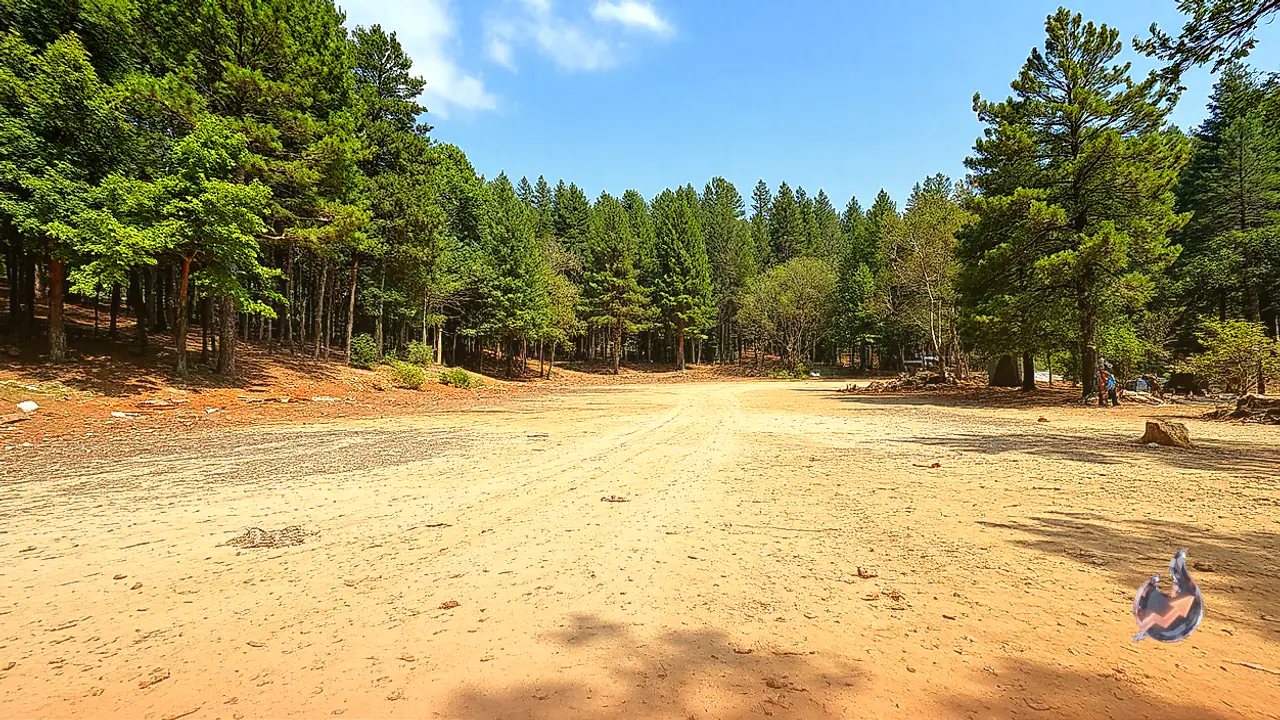
The region of Mawphlang in Meghalaya gains renown for its ancient sacred forests, commonly known as sacred groves. For centuries, the Khasi community has attributed deep religious and cultural significance to these densely wooded tracts. Strict local beliefs dictate that no visitor or resident is permitted to carry away a single leaf, twig, flower, or even a stone from the boundary of the forest. The community strongly believes that preserving the untouched sanctity of the woodland is paramount. Consequently, this strict adherence to tradition has successfully protected the local flora, fauna, and overall biodiversity.
Malana, Himachal Pradesh: A village guided by distinct governance
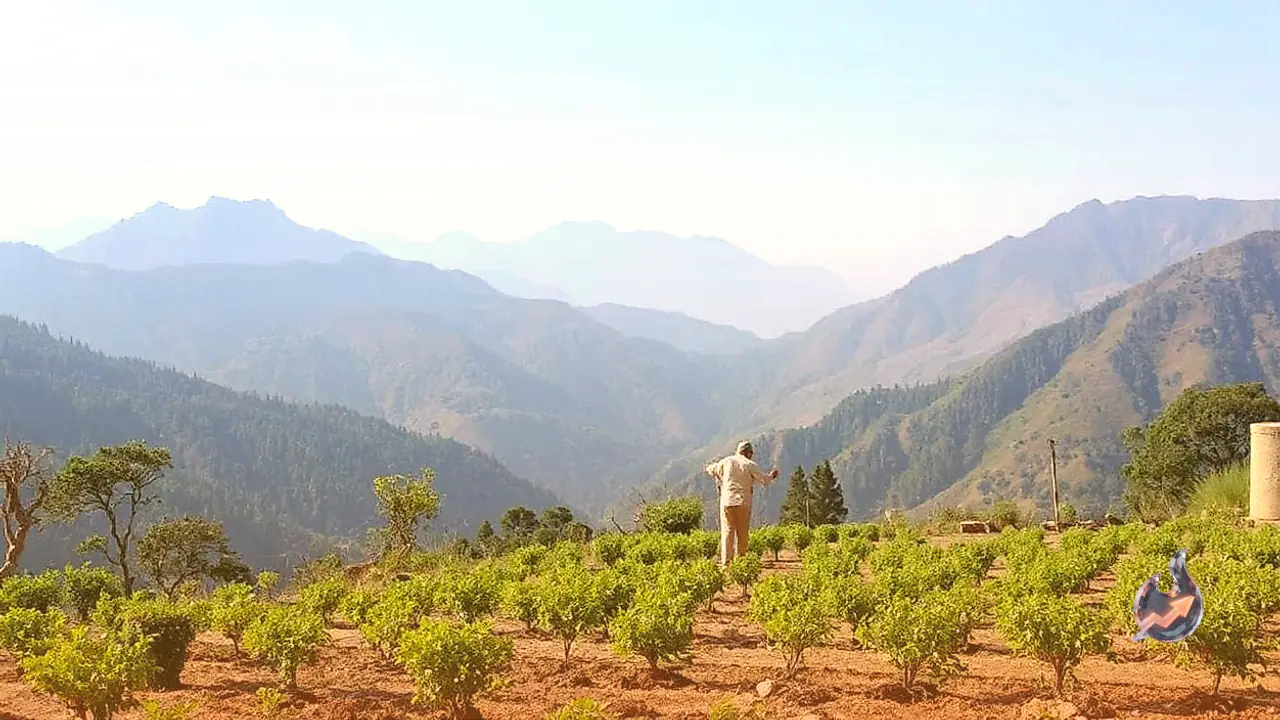
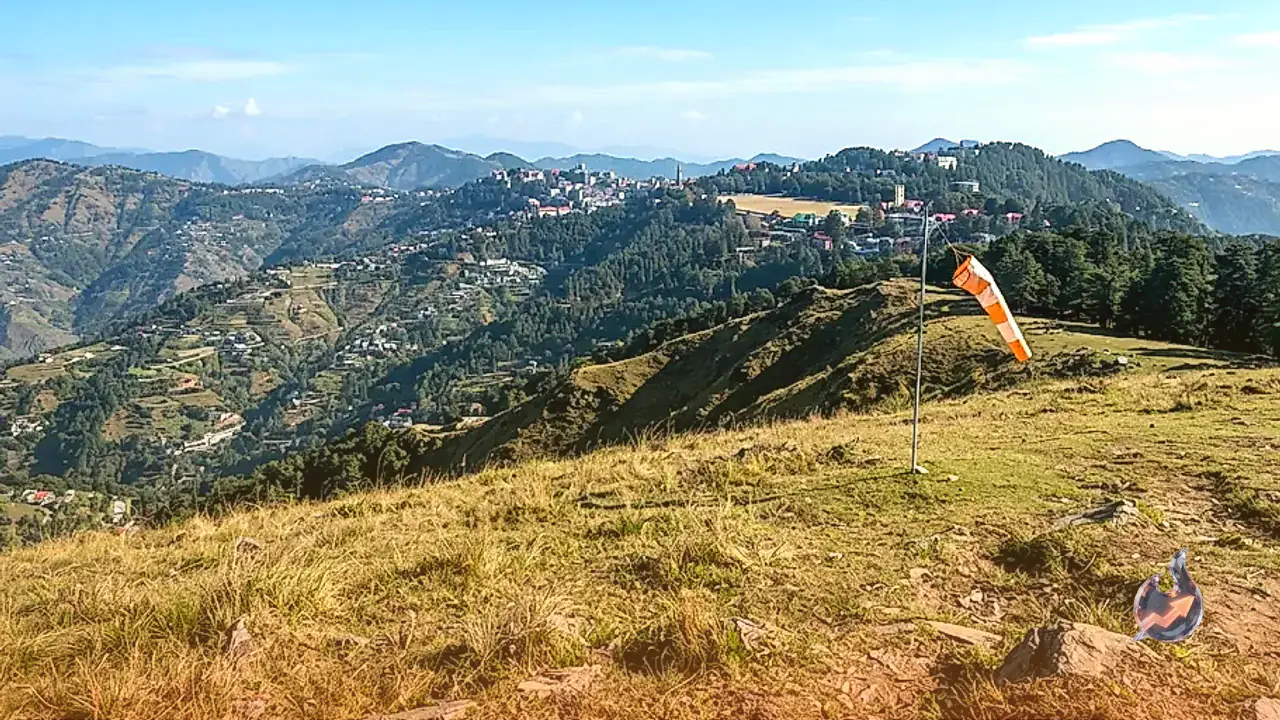
Nestled within the Parvati Valley of Himachal Pradesh, the settlement of Malana is distinguished by its unique social framework and traditional administrative system. The local community maintains its own independent traditional village council, which resolves disputes and governs internal affairs without external interference. Specific regulations govern the conduct of outsiders visiting the area. Due to deeply held regional beliefs, travelers are advised to refrain from touching local residents, houses, and sacred structures. Visitors must respect these indigenous rules and avoid taking photographs without explicit permission.
Bonda settlements, Odisha: Distinctive marriage customs
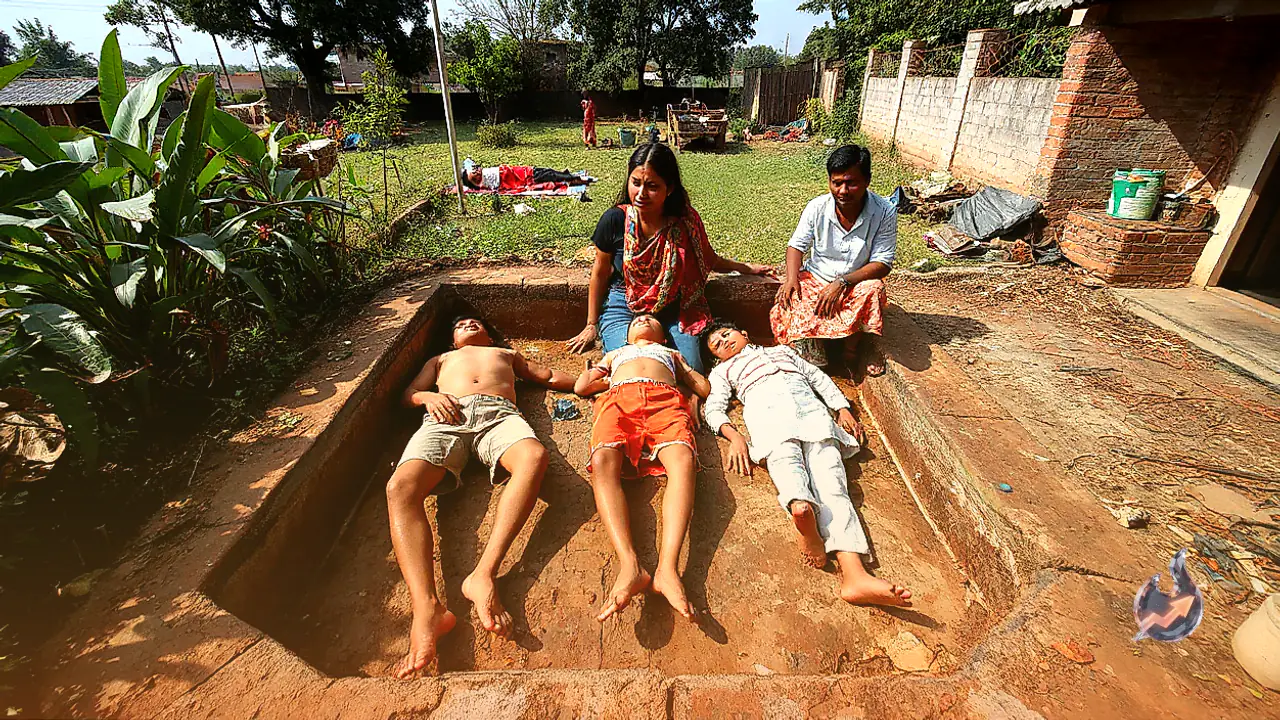
The rugged hills of the Malkangiri district in Odisha house the traditional settlements of the Bonda community. This indigenous group maintains specialized social structures and cultural practices that set them apart from surrounding populations. Within traditional Bonda marital customs, a notable feature is that the bride is frequently older than the groom in several instances. Folk songs, traditional dances, and community rituals hold immense importance within their daily social fabric. Understanding these unique lifestyles requires careful appreciation of their specific cultural perspectives and heritage.