





















With the arrival of the cold winter months, fresh white radishes make a prominent appearance in vegetable markets, instantly inspiring a variety of homestyle seasonal delicacies. While some households turn to spiced radish stir-fries, others eagerly begin preparing traditional flatbreads. For those looking to move beyond the customary whole wheat mooli paratha, an authentic recipe straight from the regional kitchens of Chhattisgarh offers a refreshing and flavorful alternative. Rather than depending exclusively on wheat, this rustic culinary method introduces rice flour into the dough. When combined with freshly grated radish, ripe tomatoes, spicy green chilies, minced garlic, and aromatic ground spices, the result is a delightful flatbread with a completely distinct texture and taste. The entire process requires minimal culinary complexity, making it an effortless option to brighten up everything from a brisk morning breakfast to an evening tea gathering.
The Unique Combination of Rice and Wheat Flour
Conventional radish flatbreads are typically prepared by stuffing spiced grated radish into rolled wheat dough, which frequently tears or becomes overly sticky due to excess moisture. The traditional Chhattisgarhi technique circumvents this issue entirely by blending the ingredients directly into the flour. In this regional preparation, rice flour and wheat flour are combined in a thoughtful ratio. The rice flour lends a pleasant exterior crispness and earthy rustic character that sets it apart from standard preparations, while the wheat flour provides the necessary gluten structure, pliability, and softness. As the natural sweetness of radish infuses the nutty warmth of rice flour, each bite delivers an authentic taste of central Indian rural cooking.
Ingredients and Measuring the Mix
Preparing this comforting meal requires basic pantry staples that are readily available in any home kitchen. The base begins with two cups of rice flour paired with one cup of wheat flour. The fresh produce and flavorings call for fresh radish, finely chopped tomatoes, minced green chilies, garlic, and onions. To elevate the aromatic profile, keep fenugreek powder, table salt, and roasted cumin powder on hand, along with a small bowl of cooking oil for pan-frying on the griddle. One of the greatest advantages of this recipe is its adaptability. Depending on household preferences, the quantities of pungent garlic or fiery green chilies can be dialed up or trimmed down without disturbing the core texture of the dough.
Blending Spices and Kneading the Dough
Begin the preparation by selecting a large, wide mixing bowl. Combine the two cups of rice flour and one cup of wheat flour, stirring them together so they are uniformly distributed. Next, fold in the finely diced tomatoes, chopped green chilies, minced garlic, and diced onions. Sprinkle in the fenugreek powder, salt, and cumin powder, blending the dry ingredients thoroughly by hand. Allowing this spiced flour mixture to sit undisturbed for a couple of minutes lets the dry grains absorb the rich aromatic oils from the seasonings.
Meanwhile, thoroughly wash and peel the fresh radish, then grate it into fine shreds. Add the grated radish directly into the bowl with the spiced flour mixture and gently work the ingredients together with your fingers. It is critical to note that fresh radish releases a substantial amount of natural moisture when mixed with salt. Because of this, avoid pouring water into the bowl at the beginning. First, massage the grated vegetable into the flours to see how much liquid is naturally extracted. After the ingredients begin to come together, add small splashes of water only as required. The finished dough should neither be overly stiff nor excessively wet, allowing it to be easily shaped without breaking apart or sticking stubbornly. Once gathered into a neat ball, set the dough aside briefly to rest.
Griddling Over Moderate Heat for Perfect Crispness
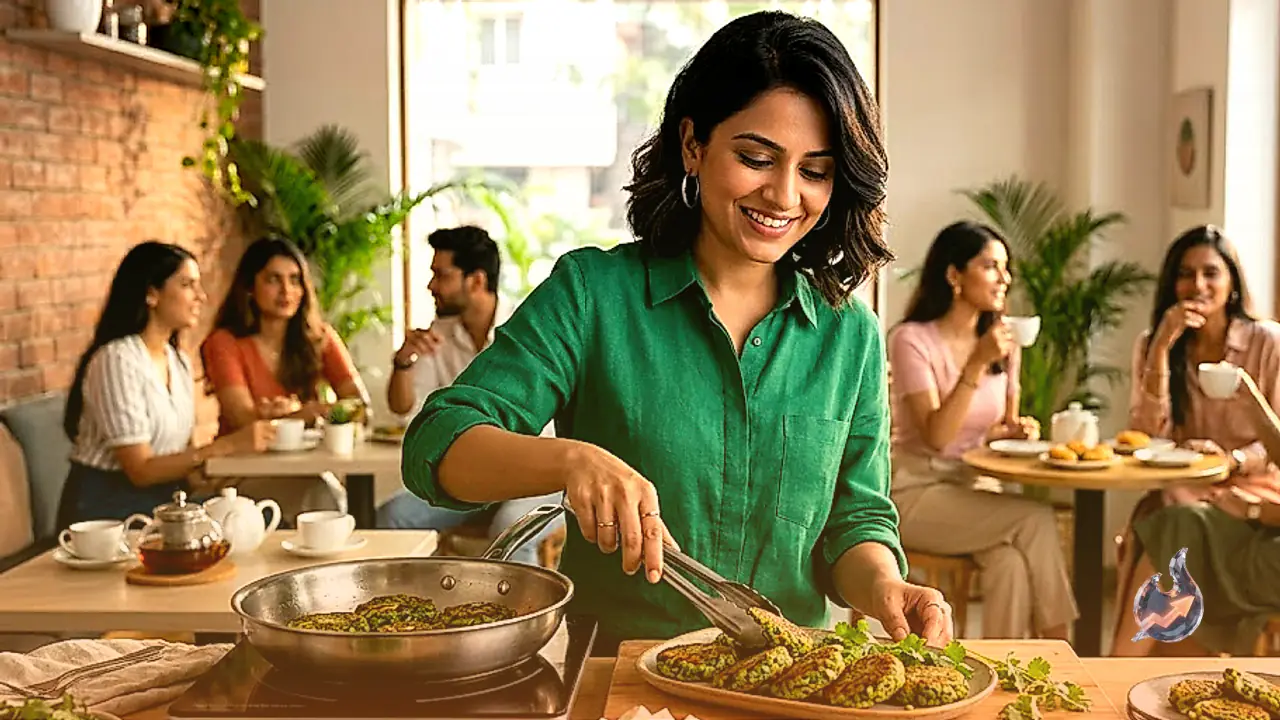
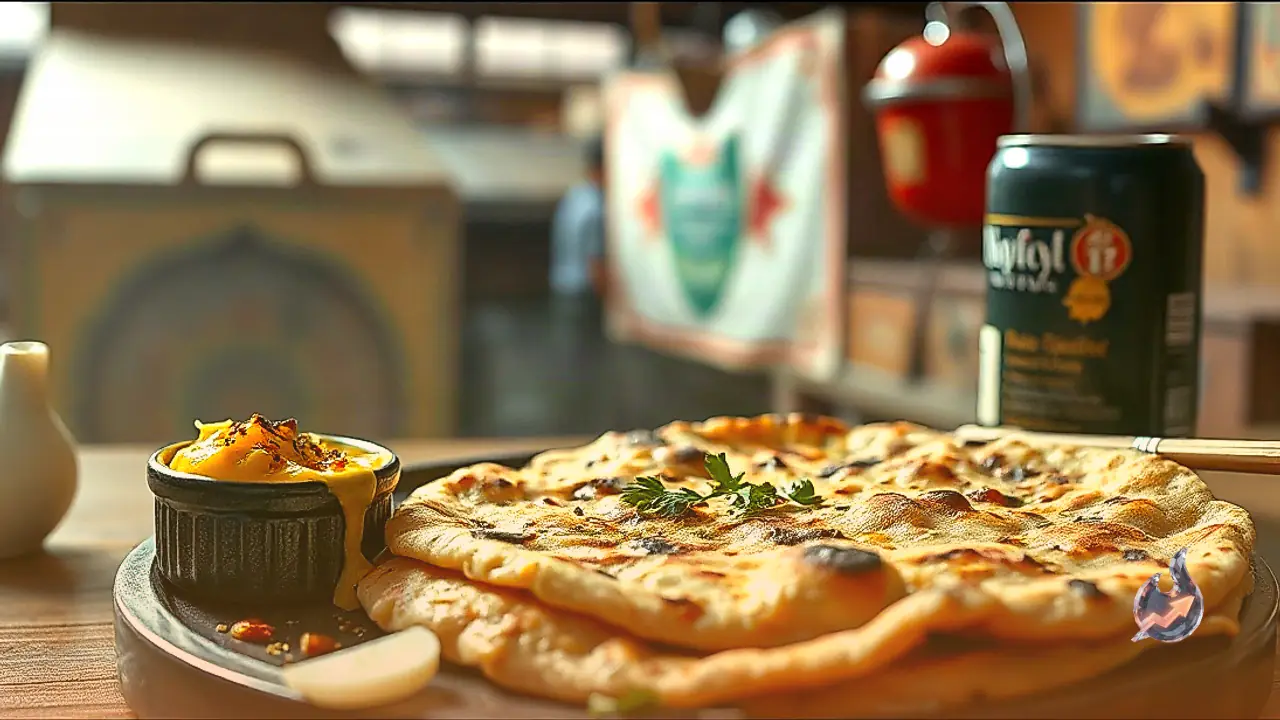
Once the dough has rested, place a flat skillet or tawa over the stove and allow it to preheat properly. Pull off an even portion of dough and shape it gently into a neat, round paratha using your palms or a rolling board. Carefully transfer the flattened round onto the hot griddle. Managing heat levels during cooking is essential for this recipe. Keep the flame adjusted between medium and low so that the rice flour cooks through completely to the center without charring the outer surface. Drizzle a little oil on both sides, pressing down lightly with a spatula to encourage uniform browning. Once golden brown speckles appear across both sides and the edges become pleasantly crisp, lift the paratha from the skillet. Continue the same method with the remaining dough until all the flatbreads are freshly prepared.
Versatile Serving Recommendations
This nourishing Chhattisgarhi style radish paratha pairs exceptionally well with various mealtime accompaniments. In the morning, it serves as a wonderful companion to a hot cup of strong tea. For a hearty lunch or evening spread, it can be accompanied by freshly whisked curd, a zesty mint or coriander dip, or any favorite vegetable curry. When entertaining family guests during winter weekends, serving this regional recipe instead of conventional wheat flatbreads introduces an unexpected and memorable rural specialty to the dining table.