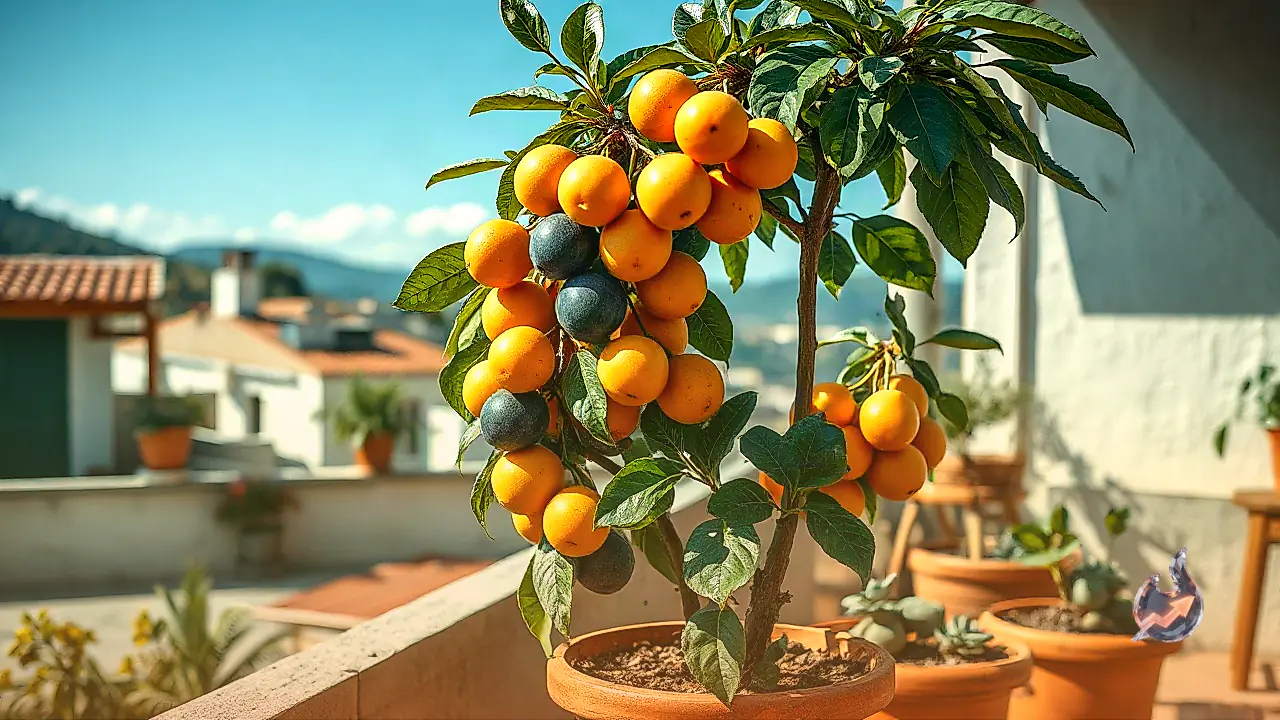








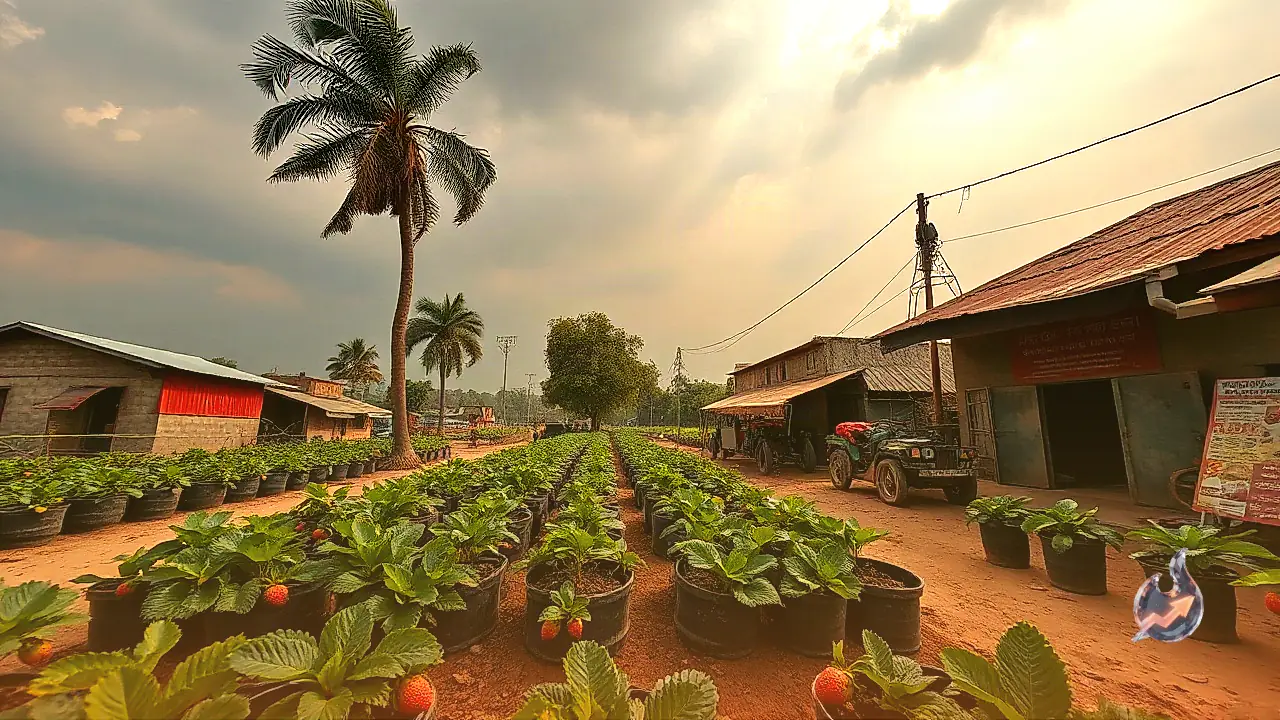














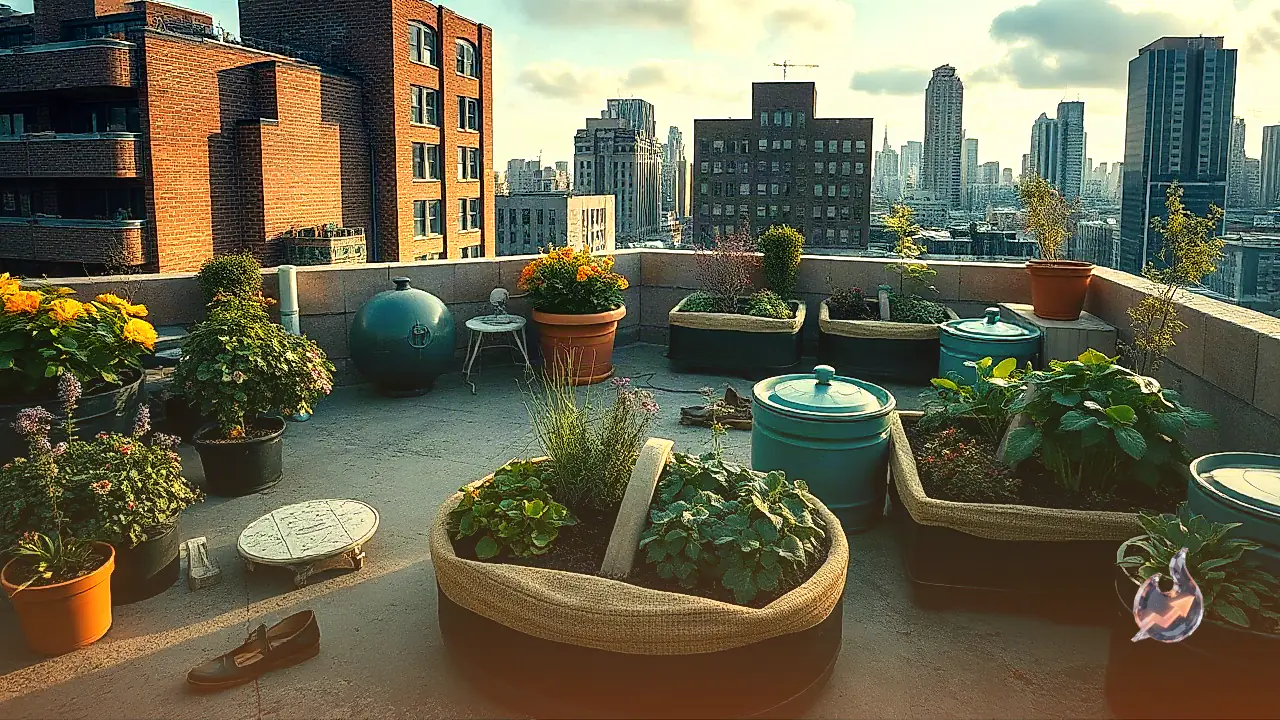

Rapid urban growth across residential pockets in Bihar has steadily reduced the open arable land available around houses. Converting a home terrace into a functional rooftop garden offers a practical way to cultivate seasonal vegetables, fruits, culinary spices, and medicinal plants right within domestic premises. With proper care and systematic management, household cultivators can harvest kitchen essentials such as tomatoes, chillies, eggplants, ladyfingers, bottle gourds, bitter gourds, cucumbers, spinach, coriander, and fenugreek. Moreover, suitable containers can also sustain fruit trees like guavas, lemons, and papayas when planned properly.
Selecting the Terrace and Evaluating Sun Exposure
The agriculture department of the Central University of South Bihar in Gaya district has developed an operational rooftop farming model demonstrating the cultivation of diverse vegetables and fruits. Assistant Professor Dr Pankaj Kumar Rai notes that anyone planning to start terrace farming should first inspect the roof to verify that it receives 5 to 7 hours of direct sunlight each day. Proper sun exposure is essential for plant vitality and growth. Alongside sunlight, the roof surface itself must have an efficient drainage mechanism to ensure rainwater flows away immediately during heavy showers without pooling on the terrace.
Choosing Suitable Containers and Managing Water Drainage
One of the most frequent mistakes made in rooftop cultivation is using planting pots that lack functional drainage holes. Containers must have sufficient openings at the base to discharge surplus water freely. Stagnant moisture reduces aeration around root systems, accelerating root rot and encouraging harmful fungal infections. Furthermore, placing excessive quantities of heavy cement pots poses structural weight concerns for rooftops. Using lightweight fabric grow bags or durable plastic pots matching the requirements of each plant is a far more suitable alternative. A container is not just a holder for potting media; its volume, build material, drainage quality, and weight directly dictate plant vigor.
Potting Mix Formulation and Transplanting Routine
Creating an ideal potting medium is vital for containerized plant health. The recommended mixture consists of two parts cocopeat, one part vermicompost, and one part topsoil blended thoroughly before filling into containers. For vining vegetables that produce climbing creepers, seeds can be sown directly into designated grow bags. For compact crops requiring nursery rearing, seeds must first be started in nursery beds. Once seedlings complete 20 to 25 days of growth, they are ready to be transplanted into permanent containers. Seedling count should strictly align with grow bag dimensions. Following transplantation, regular inspections are necessary to ensure the soil does not receive excessive water.
Pest Monitoring, Plant Nutrition, and Timely Harvesting
Ongoing monitoring should include checking foliage for discoloration, such as yellowing leaves, and applying appropriate treatments whenever signs of pests or disease appear. Planters should select plant varieties that thrive inside container boundaries, possess shallow root profiles, and fit neatly within available terrace space. Once fruit setting begins, fully matured produce should be harvested promptly. Timely harvesting encourages the plant to direct its energy into producing healthy subsequent batches of fruit. Additionally, incorporating regular doses of vermicompost and neem compounds enhances fruiting output and ensures sustained nutrient availability.