






















Waking up to repetitive breakfast choices like standard flattened rice, semolina porridge, or plain savory pancakes can quickly tire the morning palate. When you crave an appetizing shift in your daily meal rotation that remains simple and wholesome, a crispy fenugreek and onion flatbread offers the perfect answer. The distinct aroma of fresh fenugreek leaves combined with the crunch of finely chopped onions elevates this dish far beyond ordinary flatbreads. Most conveniently, this traditional preparation calls for no elaborate beforehand setups or exotic grocery runs, relying entirely on regular whole wheat flour and basic kitchen pantry spices.
Preventing Bitterness and Dough Breakage
A frequent challenge home cooks face with fresh fenugreek flatbreads is a lingering bitter undertone or dough tearing apart during the rolling stage. These common pitfalls can be completely avoided with proper leaf preparation, balanced spice additions, and the right approach to moisture management while kneading. Understanding how to handle the greens and flour together ensures the finished flatbread turns out tender on the inside while achieving a golden, crispy crust on the pan.
Essential Ingredients and Measurements
To prepare these delicious and savory flatbreads at home, assemble the following ingredients
- Whole wheat flour: 2 cups
- Fresh green fenugreek leaves: approximately 1.5 cups (thoroughly cleaned and finely chopped)
- Onion: 1 medium (finely chopped)
- Gram flour (besan): 1 tablespoon (enhances depth of flavor and improves texture)
- Carom seeds (ajwain): 0.5 teaspoon
- Roasted cumin powder: 0.5 teaspoon
- Dry mango powder (amchur): 0.5 teaspoon
- Green chilies: 2 (finely minced)
- Ginger: 0.5 inch (freshly grated)
- Salt: to taste
- Oil or ghee: 1 teaspoon (to incorporate into the dough)
- Clarified butter (desi ghee) or butter: as required for pan-frying and crisping
Step-by-Step Dough Preparation Method
Begin by washing the fresh fenugreek leaves thoroughly under cold water to eliminate all traces of grit and residual dirt. Drain out any excess moisture completely before chopping the leaves finely. In a wide mixing bowl or platter, combine the whole wheat flour and the single tablespoon of gram flour. Add the chopped fenugreek, minced onion, carom seeds, roasted cumin powder, dry mango powder, minced green chilies, and grated ginger into the dry flour blend.
A critical step in this method is to hold back on adding water immediately. First, mix the chopped greens, onions, and dry spices into the flour by gently rubbing them together with your fingers. This mechanical action helps the moisture and essential flavors from the vegetables infuse directly into the flour particles. Once the mixture is evenly distributed, gradually pour in small quantities of water while kneading into a smooth, pliable dough. Ensure the dough remains soft rather than overly stiff. Knead in 1 teaspoon of oil or ghee, then cover the dough and allow it to rest for roughly 5 minutes so the gluten relaxes and rolling becomes effortless.
Rolling and Griddle-Cooking to Perfection
Divide the rested dough into equal-sized portions and shape them into smooth round balls. Take one portion, dust it lightly with dry flour on a rolling board, and roll it out evenly into a round or triangular shape. Avoid rolling the flatbread too thin; maintaining a slightly thicker profile preserves the rich moisture and lets the textured crunch of onions and fenugreek shine through. Use extra dusting flour sparingly, as excessive dry flour burns on the hot griddle and spoils the final taste and surface finish.
Heat a flat griddle or skillet thoroughly over a stove. Place the rolled flatbread onto the hot surface. When faint blisters and light marks appear on the underside, flip the bread over and allow the second side to cook slightly. Spread a generous brush of clarified butter or butter over both sides and cook on medium heat. Using a flat spatula, gently press the outer edges and center in circular motions until both surfaces develop a vibrant golden color and a distinct, crispy texture. Cooking over high heat risks scorching the exterior while leaving the inner layers undercooked, making steady medium heat essential.
Serving Suggestions and Pairings
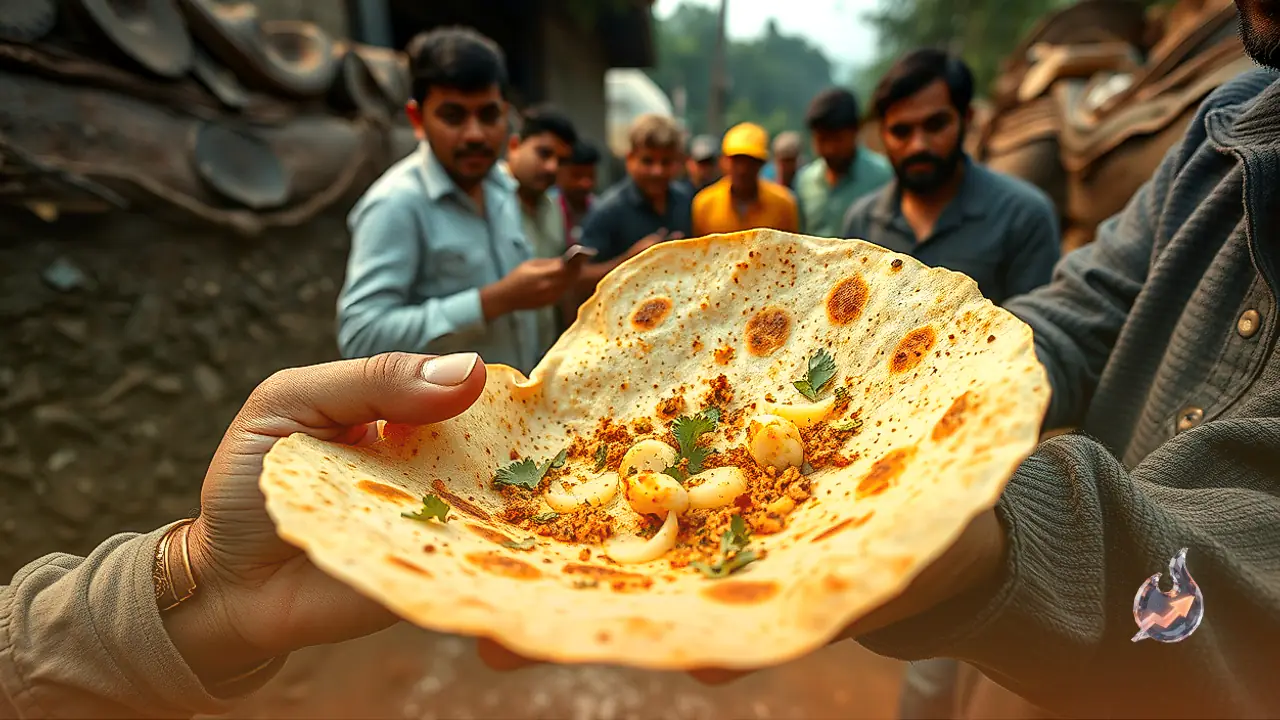
Transfer the piping hot flatbread straight from the griddle to the serving plate, topping it with a generous dollop of fresh white butter. It pairs exceptionally well with plain sweetened curd, thick unsweetened yogurt, tangy mango pickle, or spicy mint-coriander chutney. Beyond serving as a warm family breakfast, these flatbreads retain their softness and flavor well, making them an excellent choice for packed afternoon lunchboxes.