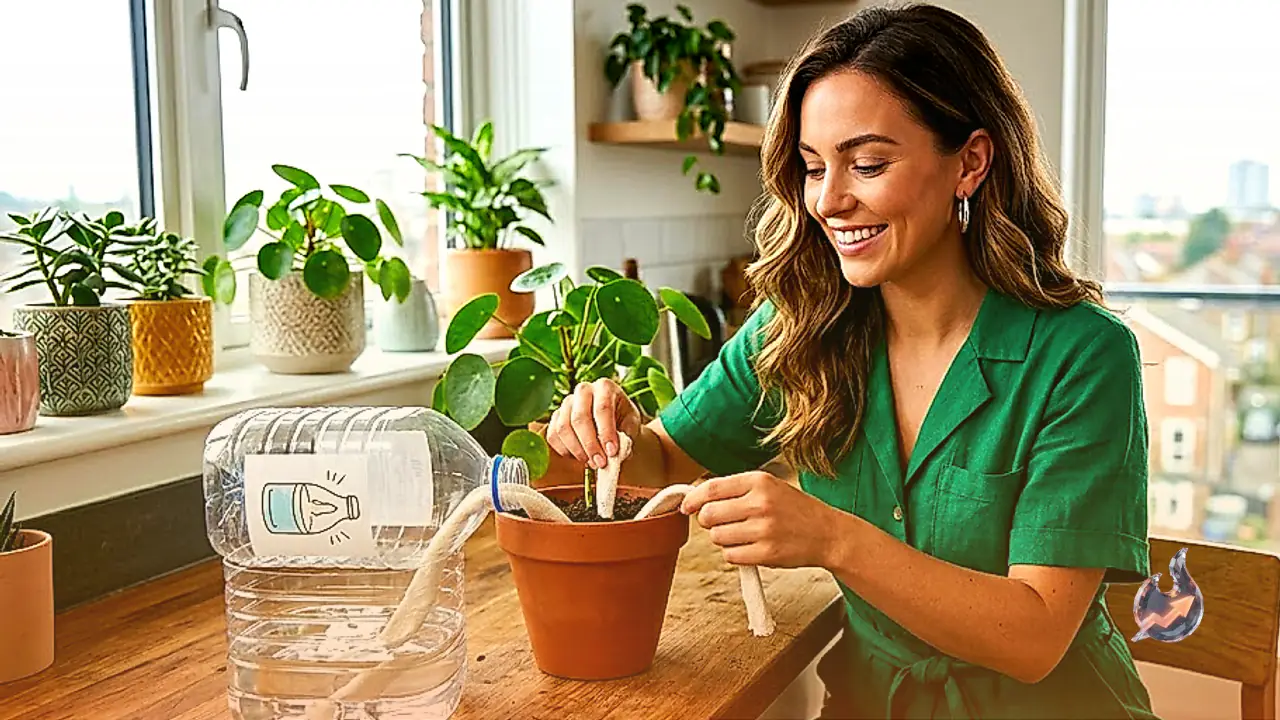

























When a houseplant suddenly begins pushing out new leaves at an accelerated rate, the immediate assumption is usually that it is thriving in peak condition. After all, lush greenery is widely seen as a positive sign, but the botanical world operates by a slightly different set of rules. Sometimes, an overabundance of new foliage can actually indicate that a plant is desperately trying to cope with adverse environmental conditions or internal stress. This scenario becomes particularly apparent when the new leaves emerge unusually soft, display deformed shapes, or are accompanied by a noticeable drop in flower and fruit production.
A plant's overall growth is directly governed by light exposure, watering habits, temperature fluctuations, and nutrient availability. When this delicate balance is disrupted, a plant might maintain a deceptively green exterior while its internal development remains completely out of sync. Therefore, judging a plant's health solely by counting its leaves is a risky approach. It is essential to understand that new leaf growth in itself is not an issue at all. During active growth phases, sprouting fresh leaves and branches is a completely normal biological process. The real cause for concern arises when this growth pattern shifts abruptly and drastically deviates from the plant's natural rhythm.
The hidden dangers of excessive nitrogen
Many plant owners repeatedly apply fertilizers in an effort to accelerate their plants' growth. Nitrogen-heavy formulas, in particular, stimulate rapid foliage expansion and green growth, but dumping too much fertilizer into the soil can result in a plant that becomes overly dense and produces excessively soft leaves. This delicate, forced growth makes the plant far more vulnerable to harsh weather conditions, physical damage, and various pests or diseases. For instance, if a potted plant begins continuously pushing out tender leaves just days after being fertilized, yet its flower production drops sharply, it should not be dismissed as mere healthy growth requiring another round of plant food. The condition of the soil and the plant's overall environment must be thoroughly evaluated first.
How inadequate light alters plant structure
Plants frequently alter their growth habits in a desperate search for adequate light. When they fail to receive sufficient illumination, certain species begin to stretch out, growing abnormally tall and thin with noticeably increased spacing between individual leaves. This stretching is often mistaken for rapid growth by owners, whereas the plant is actually straining to reach a light source. Rather than abruptly shifting a plant into harsh, direct sunlight, it is far more effective to provide lighting tailored specifically to its unique species requirements, as not all plants share the same environmental needs.
Evaluating leaf color, health, and moisture
If newly emerging leaves appear exceptionally pale, yellowish, or discolored, it often points directly toward a deficiency in vital nutrients or an underlying root problem. At the same time, overwatering can severely damage root health and trigger a wide array of morphological changes in the foliage. This means that monitoring leaf count alone is entirely insufficient for understanding a plant's true condition. Observers must simultaneously check leaf shape, coloration, stem rigidity, soil moisture levels, and budding patterns.
Unusual shoot growth and hormonal factors
When a plant suddenly starts producing an excessive number of tiny leaves, develops abnormally dense branching, retains stunted leaf sizes, or exhibits weak overall vigor, investigating the root cause becomes crucial. In certain specimens, erratic shoot growth can be linked to pathogen infections or internal hormonal imbalances. However, this does not imply that every instance of abundant foliage signifies a disease. Seasonal shifts, timely pruning, or suddenly improved environmental conditions can also trigger a healthy surge of fresh branches. For example, vigorous new growth following hard pruning is entirely normal.
The importance of balance in plant care
The golden rule for keeping any plant healthy is moderation, meaning nothing should ever be provided in excess. This translates to avoiding overwatering, resisting the urge to apply unneeded fertilizers, and refraining from treating every plant with identical sunlight exposure. Always identify the specific plant species and analyze its current physical symptoms before implementing any major care changes.