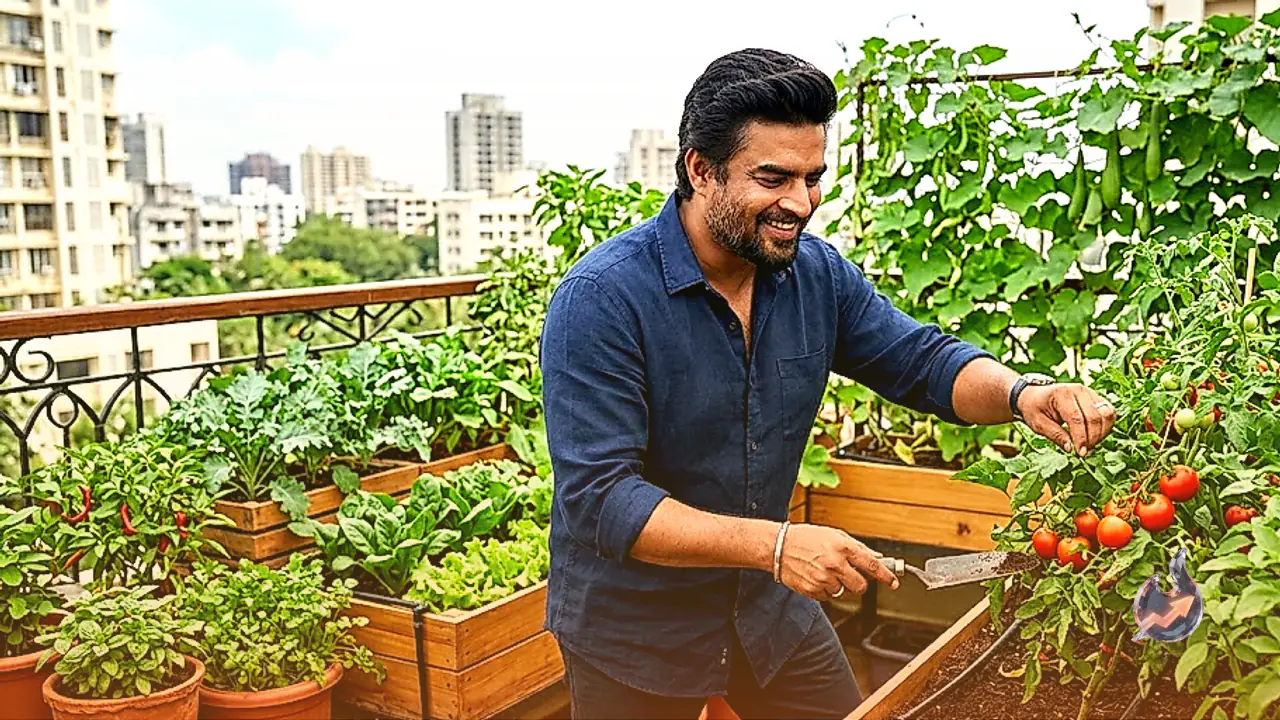




















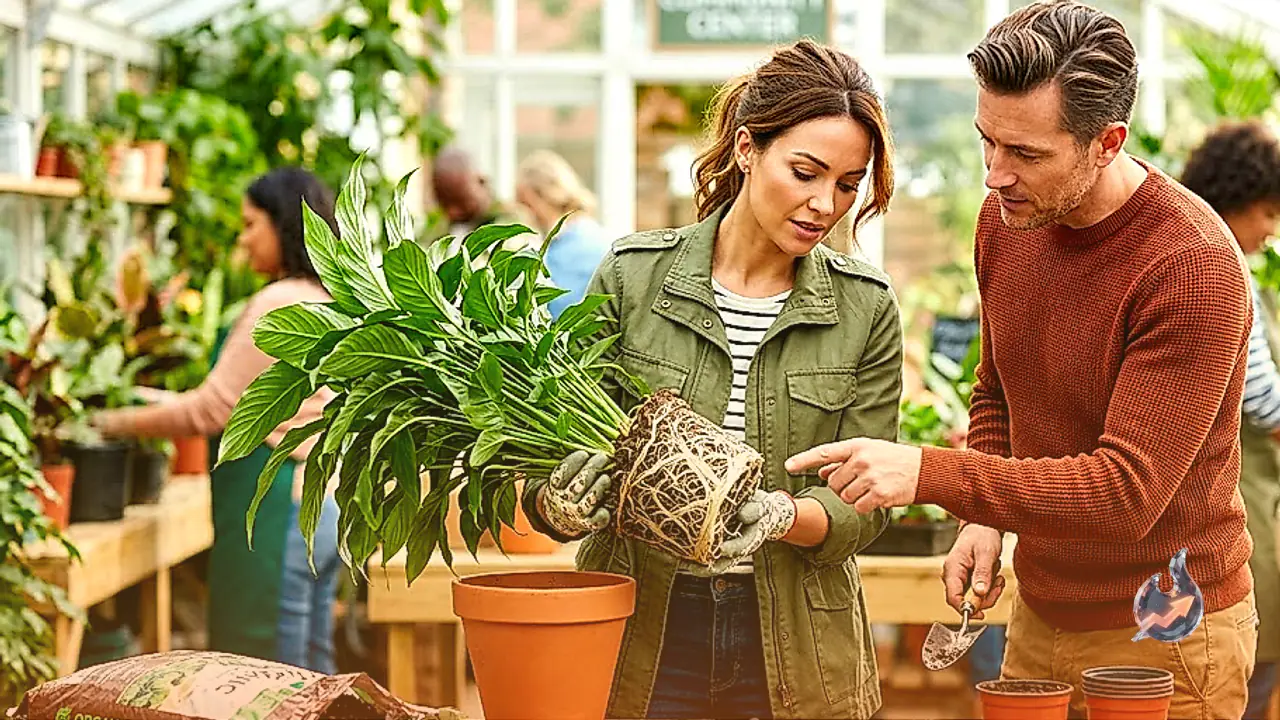

A container plant that quickly transforms into a lush, green bush brings instant joy to any home gardener, yet frustration inevitably sets in when months pass with rampant stems and leaves but not a single flower bud in sight. A common reaction among plant owners in this situation is to pour in extra water or repeatedly apply fertilizer. These steps rarely resolve the underlying problem because the requirements for producing leafy vegetative growth are fundamentally different from the nutritional and physical triggers needed for flowering.
The physical volume of the container, soil drainage, the health and distribution of root systems, and the ratio of applied nutrients all play decisive roles in whether a plant initiates buds. If your plant is expanding rapidly in size while remaining entirely barren of flowers, a closer inspection beneath the soil line is essential.
Water Alone Cannot Sustain Long-Term Blooming
Consistent watering is essential for any potted specimen, yet relying entirely on moisture to generate sustained flowering is a mistaken approach. When newly planted, a specimen thrives readily on the minerals and organic matter native to the fresh potting medium. Over time, that finite pocket of soil becomes depleted as nutrients are consumed or leached away through drainage holes. Under such impoverished conditions, the plant diverts its remaining energy toward vegetative survival, pushing out only new leaves and lengthening stems.
For this reason, inspecting the condition of soil in older potted plants is critical. If the potting medium has compacted into a hard mass or water merely channels down the inner walls of the pot without soaking through to the root zone, repotting the plant into refreshed soil becomes unavoidable.
Balancing Nitrogen, Phosphorus, and Potash for Bud Formation
Flowering plants depend heavily on a balanced ratio of primary nutrients, specifically nitrogen, phosphorus, and potash. Each mineral performs an entirely distinct physiological function. Nitrogen stimulates vibrant green vegetation, leaf expansion, and overall vegetative bulk. In sharp contrast, phosphorus and potash direct plant energy toward internal development, strong root establishment, and the cellular initiation of floral buds.
Routinely applying fertilizers formulated solely for leafy growth causes an overabundance of nitrogen, which suppresses bud development in favor of excessive foliage. Instead of applying general vegetative feed, provide a balanced organic fertilizer aligned with the specific growth phase of the plant. Well-cured vermicompost or mature organic compost helps replenish organic matter and trace minerals within the medium. Fertilizer quantities must always be calibrated to the specific plant species and container dimensions.
Recognizing Root Bound Conditions Inside the Pot
A plant can present a deceptively healthy canopy above the rim while underneath its roots are suffocating from a total lack of expansion space. When roots encounter the smooth container boundary, circle tightly around the perimeter, and consume all available soil volume, the plant enters a root bound state. This structural barrier prevents root tips from absorbing water and minerals effectively.
A root bound container dries out unusually fast because dense root clusters have replaced the moisture-retaining soil particles. Despite frequent watering, the plant experiences chronic moisture stress. If a plant has occupied the same pot over an extended period and structural roots begin pushing out through the bottom drainage openings, the container size must be immediately evaluated.
Inspecting Roots and Selecting the Right Pot Size
When extracting a plant from its aging container, closely examine the exposed root structure. If the roots form a dense, intertwined mat, gentle trimming of decayed, dead, or excessively congested root sections can be carried out. Avoid cutting vigorous, healthy primary roots unnecessarily during this process.
After addressing the root ball, transfer the specimen into a slightly larger container. Upgrading to an excessively large pot is counterproductive for many species, as large volumes of unoccupied potting soil retain surplus water for prolonged periods, raising the risk of stagnant conditions around the root zone.
Building a Well-Aerated Potting Mix
During repotting, avoid filling containers with ordinary backyard garden soil alone. A productive potting medium combines soil with organic conditioners and porous materials designed to ensure rapid drainage and adequate aeration. Blends containing vermicompost alongside coco peat are widely used in home garden environments to maintain a loose, moisture-retentive texture.
Neem cake powder is frequently added by growers to help protect the soil ecosystem and deter pests. Specialized amendments like trichoderma or humic acid can also be introduced to improve soil biology and uptake efficiency, though package directions and application dosages should always be checked beforehand, as not every plant variety requires these supplemental inputs.
Allowing Recovery Before Resuming Fertilizer Applications
Following a repotting session, plants require an undisturbed transition period to adapt to their new environment and regenerate fine feeder roots. Because root structures experience physical disturbance during repotting, applying concentrated fertilizers immediately afterward should be avoided, as fresh root cuts are vulnerable to chemical stress.
Monitor the plant until it settles into the fresh medium and signals active growth through new shoots. Once active vegetative progress is visible, targeted feeding can resume based on the plant's seasonal requirements. Phosphorus-rich supplements are commonly introduced to encourage blooming in flowering varieties. When utilizing organic phosphorus sources such as bone meal, verify the exact application dosage suited to the specific plant type.