























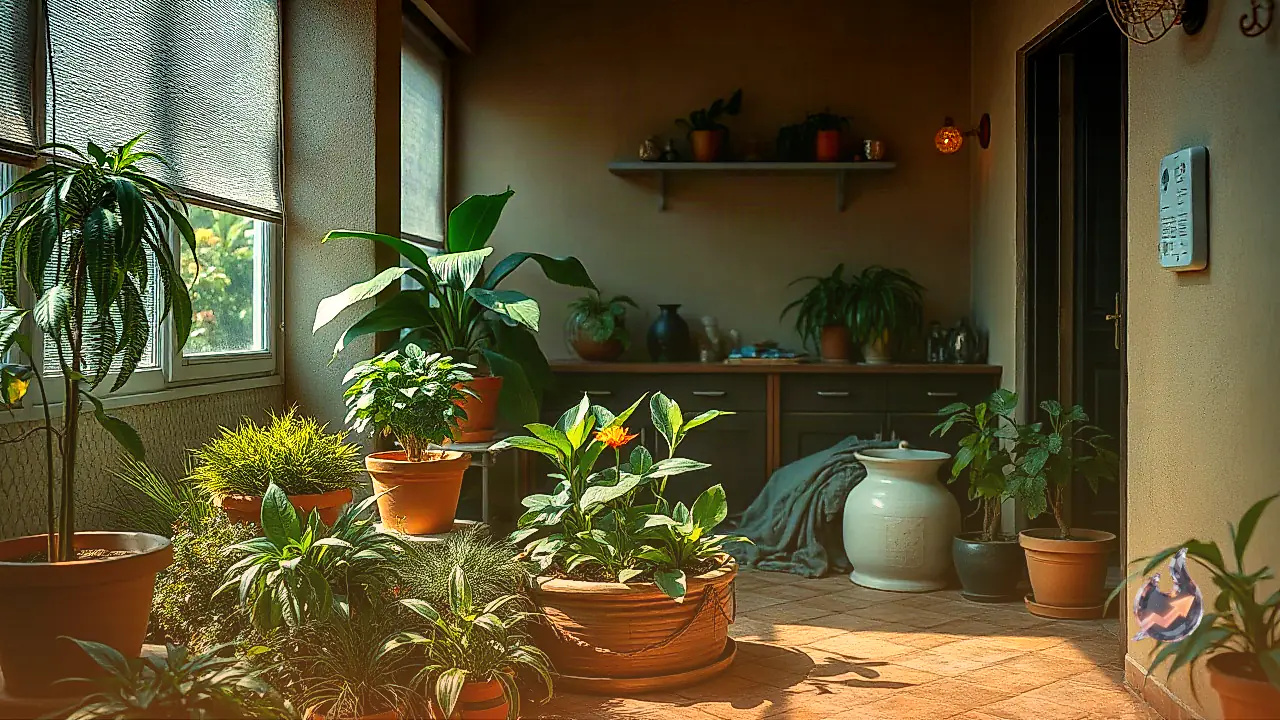

Whether it is a sacred Tulsi plant inside the house or a charming potted plant placed on the balcony, lush greenery instantly transforms the overall atmosphere of a home. However, small white cotton-like pests or tiny black bugs are often spotted clinging to the leaves and stems of these plants out of nowhere. In the very beginning, their population remains quite low, which is why people tend to ignore them. Yet, within just a few days, these exact pests start sucking out the vital juices of the leaves and completely halt the growth of the plant. As a direct result, the foliage begins to turn yellow, curls up, and the plant starts looking weak and lifeless. Under such circumstances, rather than rushing out to purchase expensive chemical pesticides, one can easily focus on simple remedies like thorough cleaning, removing affected parts, and utilizing neem-based solutions.
Inspect The Soil And The Plant Thoroughly First
Before initiating any kind of pest treatment, it is absolutely essential to examine the entire plant with great care. Merely getting rid of the insects visible on the surface will not resolve the underlying issue permanently. Take a close look at the undersides of the leaves, new tender shoots, and the junctions where stems meet. If the soil inside the pot has become extremely hard and compacted, its top layer can be gently loosened using a light hand. This simple practice improves overall aeration within the soil. While loosening the earth, however, extra care must be taken to ensure that the delicate roots do not suffer any damage.
Using Neem Khali Effectively Along With Leaf Cleaning
The application of neem khali has a long-standing tradition in general plant care and gardening. Mixing it into the soil in limited quantities helps improve the overall quality of the soil and assists in keeping certain pest issues under proper control. For a small flower pot, a modest amount is usually more than enough. Pouring excessive quantities of neem khali is never necessary. Once it is blended properly into the upper crust of the soil, monitor the general condition of the plant closely over the following days.
If white pests such as mealybugs are clearly visible on the foliage, merely adding substances to the soil will prove entirely insufficient. The physical cleaning of the infected leaves and stems must be carried out simultaneously. In cases of mild infestations, the insects can be gently wiped away using a piece of cotton or a soft cloth. Pruning and discarding heavily infested leaves from the plant can also be extremely beneficial. Instead of leaving the discarded leaves inside the pot or nearby, throw them straight into an outdoor bin so that the pests never find a way back to the plant.
Exercise Caution With Turmeric And Lime
Household remedies frequently mention items like turmeric and lime, but dusting or spraying them directly onto the leaves cannot be considered safe for every single plant species. Lime, in particular, when used in excess quantities, can severely damage the foliage and alter the natural pH balance of the soil. Therefore, before applying any homemade mixture across the entire plant, it is always wise to test it on a very small, isolated section first. If any visible signs of chemical burn, dark spots, or leaf degradation appear, discontinue the application immediately.
Frustrated by stubborn pest infestations, many individuals end up over-watering their potted plants repeatedly. Doing this can trigger the exact opposite effect and cause severe harm. Continually wet and soggy soil can aggravate root-related disorders significantly. Before supplying water, always touch the upper layer of the soil with your fingers; if it feels already damp, watering right away is completely unnecessary. Furthermore, provide adequate sunlight based strictly on the specific needs of the plant. Every single plant variety has distinct sunlight requirements, which means forcing a shade-loving plant into harsh, direct sunlight is never the right approach.
How To Protect Plants From Future Pest Attacks
Even after successfully removing the pests entirely, continue checking the plant on a regular basis for a few more days. Pay close attention, particularly around the newly emerging leaves and main stems. If signs of a similar infection become visible on any other plants kept nearby, isolating them for a temporary period is always a wise preventive decision.