



















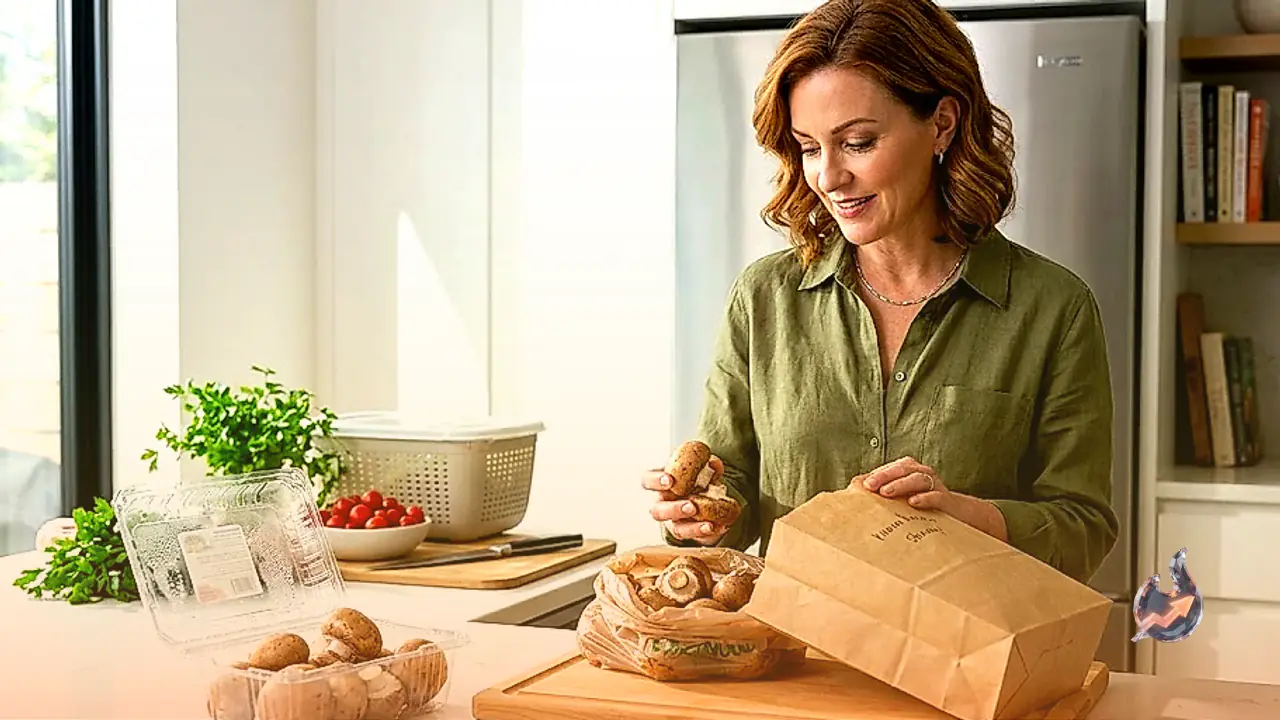

Bringing fresh, firm mushrooms home from the market often comes with the expectation that they will last through several meals during the week. However, home cooks frequently open their refrigerator crisper drawer only to find discolored, softening produce coated in an unappealing slick layer. While many assume this rapid decline is caused by poor initial crop quality, the primary culprit is almost always improper home storage. Trapped humidity, airtight plastic wrapping, and the premature habit of washing mushrooms before chilling cause them to degrade at an accelerated pace. By understanding how these delicate fungi react to moisture and airflow, anyone can preserve their crisp texture and earthy flavor for significantly longer periods.
Inspect and Sort Before Chilling
The journey to proper preservation begins the moment you unpack your groceries. Rather than transferring commercial containers directly into the refrigerator, take a minute to examine each individual piece. If any mushroom in the batch already shows signs of excessive softness, wet dark spots, or surface decay, immediately separate it from the sound pieces.
Decaying fungal matter releases surplus moisture and microscopic spores that rapidly infect neighboring produce. Leaving a single compromised mushroom in a closed environment creates a localized hotbed of moisture, causing the rest of the batch to spoil prematurely. Sorting them out early safeguards the remaining inventory and ensures baseline firmness.
Ditch the Sealed Plastic Packaging Immediately
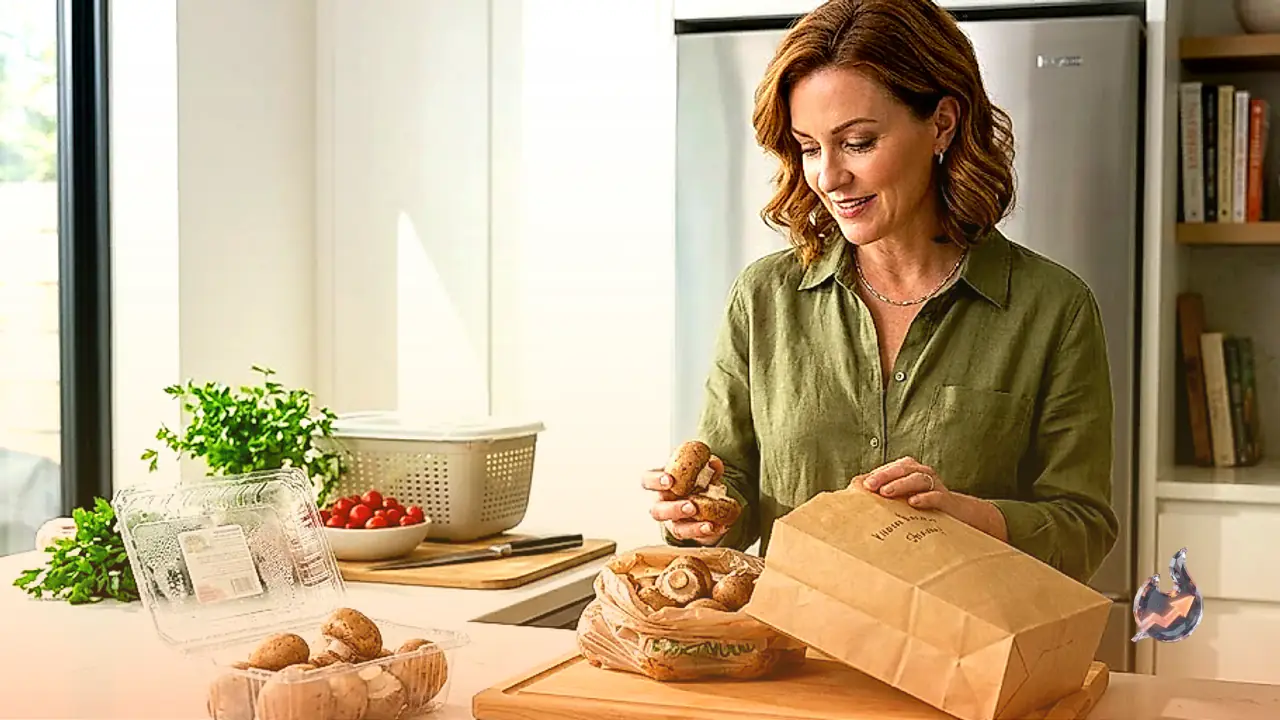
Most commercial retailers display mushrooms under tight plastic shrink-wrap or inside sealed polythene punnets. Leaving mushrooms inside this airtight casing once you bring them home is a major storage mistake. Mushrooms continue to respire after harvest, releasing water vapor continuously into their immediate surroundings.
When this vapor hits an impermeable barrier like cling film, it has nowhere to go and condenses into liquid droplets on the surface of the food. Standing liquid rapidly breaks down the delicate cellular structure, resulting in mushy, unappetizing slime. Unless the original packaging features specially engineered microporous ventilation holes designed specifically for fungi, remove the mushrooms from the plastic container straight away.
The Brown Paper Bag Method for Superior Breathability
The simplest and most reliable way to preserve whole mushrooms is to transfer them into a standard brown paper bag. Paper possesses porous properties that allow it to absorb excess external moisture without leaving the contents completely dehydrated.
Furthermore, paper allows adequate air exchange, which prevents humidity from accumulating around the caps and stems. Place the mushrooms unwashed into the bag, loosely fold the top without sealing it airtight, and store it in the main compartment of the refrigerator rather than the overly humid vegetable crisper drawer. This breathable environment keeps the outer skin dry and firm for days.
Why Washing Before Storage Ruins the Texture
A frequent error in food handling is treating mushrooms like leafy greens by washing them thoroughly under running water prior to cold storage. Structurally, mushrooms behave just like porous kitchen sponges, absorbing liquid the second they are submerged or rinsed.
When moisture-laden mushrooms sit in a cold refrigerator, internal water pockets weaken the cell walls, accelerating decay, enzymatic browning, and unpleasant odors. If mushrooms carry loose soil or peat moss, gently brush it away using a dry paper towel or a soft, slightly damp cloth. Reserve proper rinsing under a gentle stream of water strictly for the moments immediately preceding cooking, and pat them thoroughly dry before tossing them into a hot pan.
Ventilated Containers as an Alternative Solution
If you do not have paper bags on hand, an open-concept storage container makes an effective substitute. Line the bottom of a shallow glass or plastic container with a double layer of dry paper towels to collect any settling condensation.
Arrange the mushrooms loosely across the towel, avoiding deep stacking that could trap moisture in the bottom layers. Place an additional paper towel gently over the top to capture stray droplets from the refrigerator ceiling, and leave the container lid slightly cracked or perforated. Periodically check the paper liners; if they become damp, discard and replace them with fresh dry sheets to maintain a balanced, moisture-free microclimate.
Long-Term Preservation Through Freezing
When dealing with bulk purchases that cannot be consumed within a single week, long-term freezer storage offers a practical solution. Because raw mushrooms contain substantial water volume, freezing them raw turns them into a watery, unpalatable mess upon thawing. Pre-cooking is essential to stabilize their structural integrity.
One reliable technique involves sautéing sliced pieces in a small amount of butter or neutral oil over high heat for three to five minutes until their released liquids evaporate. Allow them to cool completely before packing them flat inside heavy-duty freezer bags. Alternatively, clean mushrooms can be briefly blanched in boiling water for one to two minutes and then plunged into an ice bath to halt enzymatic activity. Once thoroughly dried, seal them in airtight freezer containers. While frozen mushrooms forfeit their raw crunch, they remain exceptional additions to simmered soups, pasta sauces, and rich curries.
Recognizing Signs of Spoilage Before Cooking
Before preparing stored mushrooms for a meal, a thorough sensory check is always advisable. If you notice a visibly sticky or slimy film, deeply sunken brown blemishes, a shriveled leathery texture, or an off-putting sour odor, discard them without hesitation.
Attempting to salvage deteriorating mushrooms by carving away darkened corners is unsafe, as bacterial and fungal degradation penetrates far deeper than visible surface lesions. Applying proper storage habits from the day of purchase eliminates unnecessary kitchen waste, maintains great culinary taste, and protects both your wallet and your health.