





















While daily kitchen routines ensure the interior of cookware stays spotless, the underside and exterior base of an aluminium kadhai gradually darkens over continuous exposure to heat. Stray cooking oil splatters, persistent high flames, and dripping food residues combine at the base to create a dense, stubborn layer of grime that standard dish soaps fail to lift. People frequently spend substantial time scrubbing these burnt patches with excessive pressure, yet the cookware often remains dull and discoloured. Rather than relying on exhausting physical effort, basic household items can be used to loosen and dissolve this accumulated blackened crust safely.
Initial Soaking with Hot Water, Detergent, and Salt
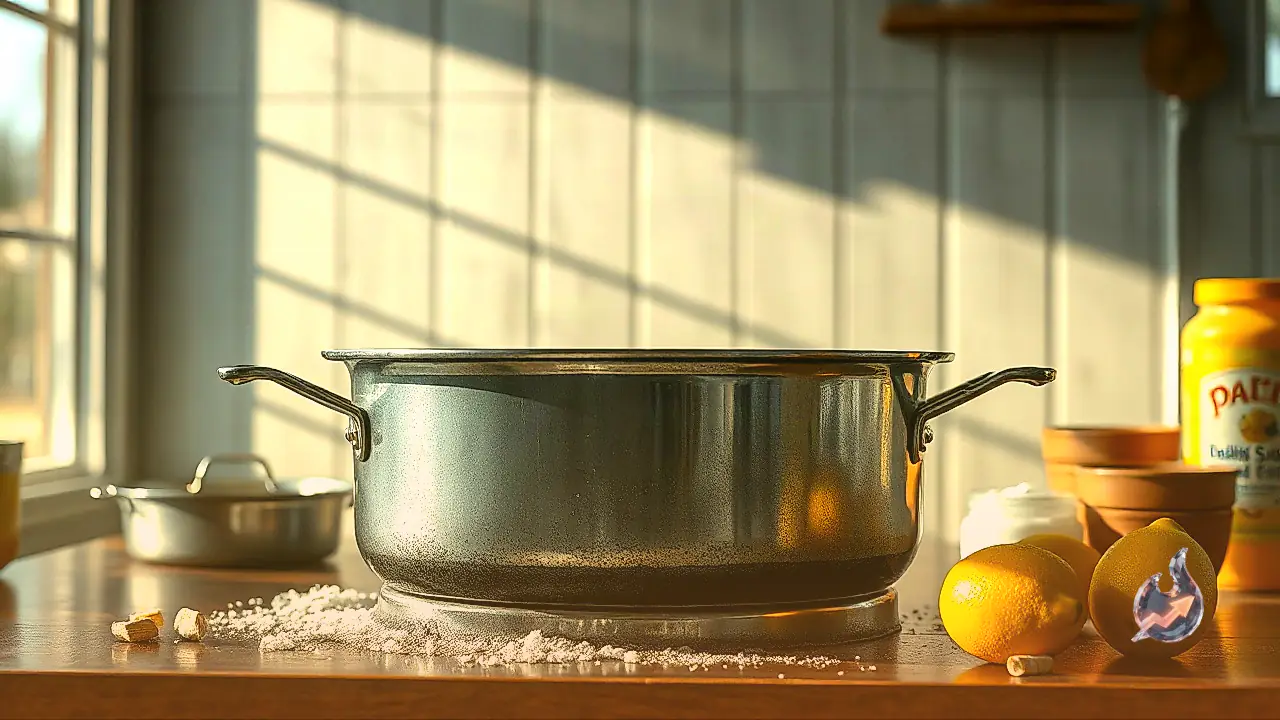
The foundational step in removing a heavy burnt coating from the bottom of an aluminium pan involves softening the crust through controlled heat. To begin, take a large vessel capable of holding the pan base and pour in 3 to 4 glasses of water. Dissolve a small measure of detergent powder and one spoon of common salt into the water. Adding a dash of fresh lemon juice into this mixture provides additional grease-cutting power. Place the pot on a stove and let the liquid come to a steady boil.
Once heated, submerge the blackened exterior base of the kadhai into this hot solution. Leaving the pan submerged for approximately 15 minutes allows the steaming hot bath to penetrate and soften the hardened residue. Utmost care is required when retrieving the hot cookware from the water; always wear protective heat-resistant gloves or handle the vessel with a thick cloth to avoid burns. After taking the pan out, rinse it with clean water and observe how much residue has released. Use a soft scrubbing pad to gently clear the softened grime, keeping pressure light and avoiding harsh scraping.
Lifting Stubborn Marks with Baking Soda Paste
In cases where deep burn marks persist across the metal surface even after the preliminary hot soak, baking soda serves as an effective cleaning compound. Prepare this application by combining several spoonfuls of baking soda with a splash of warm water to formulate a thick, stable paste.
Spread this heavy paste evenly over every discoloured and scorched section of the pan base. Allow the layer to sit undisturbed for roughly 20 to 30 minutes, giving the soda sufficient contact time to break the bond between the burnt carbon and the metal surface. Once the resting time elapses, take a soft scrubber and work across the stained areas using circular motions. This rotational scouring motion assists in dislodging the crust without gouging the metal. Conclude the treatment by rinsing the pan thoroughly under clean running water.
Combining Lemon Juice and Dishwashing Liquid
Natural citrus juice contains mild acids that actively weaken stubborn grease and burnt films during the cleaning process. A targeted cleaning mix can be prepared in a small bowl by combining a measure of liquid dish soap, freshly squeezed lemon juice, and baking soda into a uniform paste.
Apply this blended paste exclusively to the blackened outer sections of the kadhai. Let it rest briefly against the metal before scrubbing with a non-abrasive pad using mild, deliberate hand pressure. Wash the residues away with water. If stubborn patches remain after the initial attempt, repeating the cycle is far more sensible than applying aggressive physical force, which could distort or damage the cookware.
Precautions Regarding Aluminium Foil and Scourers
Certain traditional household recommendations advocate rolling aluminium foil into a ball to serve as an improvised scouring pad. While common, using foil requires extreme caution on aluminium cookware, as aggressive rubbing can damage the underlying surface texture. It is always wise to test any abrasive tool on a minor, less visible corner of the pan beforehand. Furthermore, if the kadhai possesses any form of protective surface coating, high-friction items and coarse wire scrubbers must be completely avoided to prevent lasting surface scratches and wear.
Drying Routine and Preventive Care
Once all soot and cleaning mixtures have been rinsed away, the pan should not be abandoned while wet; instead, dry it thoroughly with a clean kitchen towel. Sustaining a regular cleaning rhythm greatly prevents thick, unmanageable layers of soot from cementing on the base over time. A practical daily preventive habit is waiting until the kadhai cools completely after cooking, followed by wiping down its outer underside with a cloth before storing it away.