





















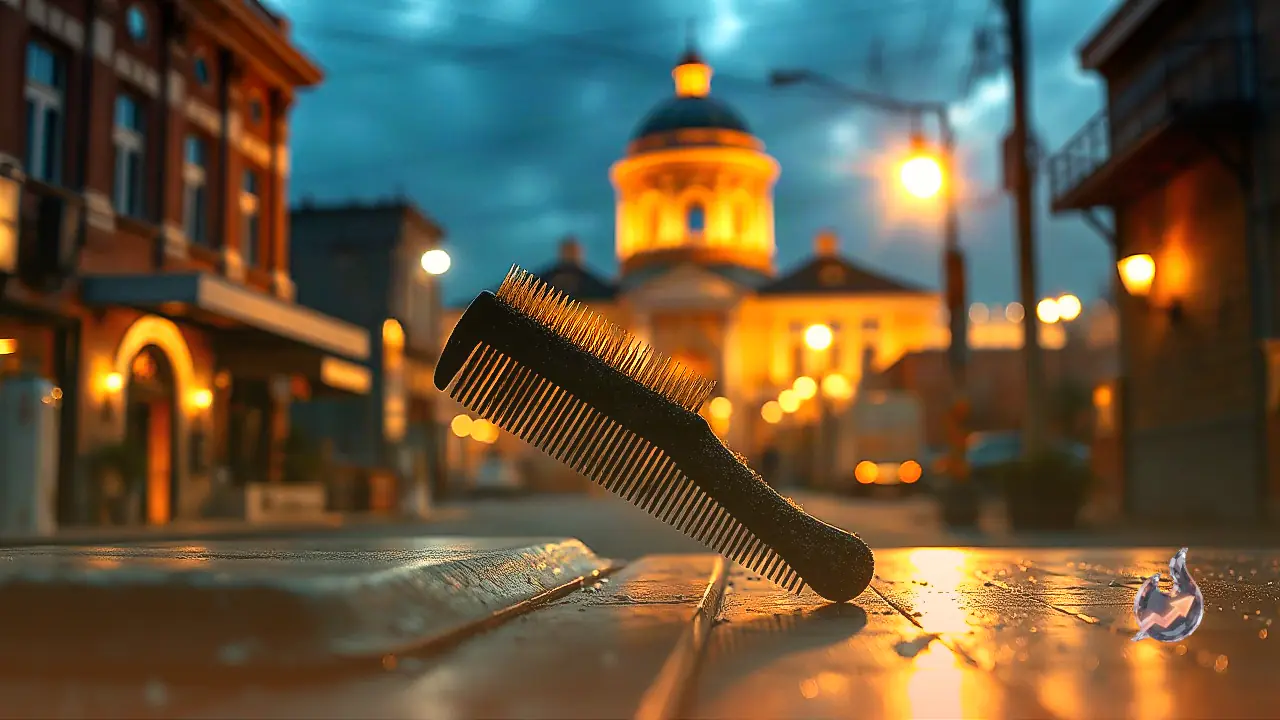

Using a comb to detangle and style hair each morning is second nature to most people, yet giving that same styling tool a thorough wash is frequently neglected. A comb comes into direct contact with both hair strands and the scalp every day. Through daily use, it gradually traps loose strands, natural sebum, airborne dust, and residual layers of cosmetic hair formulations. When an accessory is used repeatedly over days or weeks without a wash, grime and sticky deposits become readily visible. Maintaining hygienic hair care tools does not demand an elaborate or exhausting regimen.
Establishing a dependable cleaning schedule along with proper air-drying techniques is all that is required. Keeping hair tools clean prevents accumulated dirt from transferring back onto clean tresses and the scalp during everyday grooming.
How Frequently Should Combs Be Washed
Instead of relying on an unwashed comb for extended periods, integrating a weekly cleaning routine offers a practical baseline for most households. However, this general frequency must be adjusted according to personal grooming habits and hair conditions. Individuals who naturally develop an oily scalp within short intervals often need to sanitize their tools more frequently. The same holds true for anyone who regularly styles their hair using gels, serums, pomades, or leave-in sprays, as these formulations coat the teeth quickly.
Furthermore, if multiple family members share a single comb, the tool gathers buildup much faster and requires frequent washing. Whenever loose hair, visible grime, or an oily film appears along the base of the bristles, it is wise to clean the comb immediately rather than delaying until a set day of the week.
Extracting Trapped Hair Prior to Washing
Before introducing any water or cleansers, every strand of trapped hair should be carefully removed from the comb. When strands are tightly wound around the teeth, pull them out gently and patiently to prevent bending or snapping the prongs. Alongside fingers, a clean and narrow object can serve as an effective instrument to pry loose trapped fibres from narrow crevices.
Once all hair strands are eliminated, examine the base of the comb closely. Oil and cosmetic styling products tend to create a thin, tenacious film between the teeth that plain running water cannot dissolve. Removing this resilient residue requires a gentle cleansing solution.
Gentle Cleansing Using Mild Soap and a Soft Brush
Prepare a small basin or container filled with lukewarm water and stir in a small measure of mild soap or everyday shampoo until dissolved. Submerge the comb in the soapy mixture for a brief duration. Next, take an old toothbrush featuring soft bristles and gently scrub the spaces between the teeth and along the spine to lift the loosened buildup.
Prolonged soaking is not advisable for all varieties of grooming tools. Material composition plays a crucial role; wooden combs, for example, are sensitive to excessive moisture exposure and can warp or degrade if left submerged. Plastic models should likewise be protected against excessively hot or boiling water, which can distort their shape and weaken the structure.
Rinsing and Ensuring Complete Air-Drying
After scrubbing away all visible debris, rinse the comb thoroughly under fresh, running water to clear away any remaining soapy lather. Take a clean, dry towel to blot off surface moisture, and then place the tool in an open, well-ventilated spot to air-dry completely.
Before using the comb on dry hair or storing it inside an enclosed drawer or container, confirm that it is entirely free of dampness. Placing a moist styling tool directly into an airtight box or cabinet traps moisture and undermines cleanliness. Letting it dry in open air guarantees that the item stays completely dry, fresh, and ready for daily use.
Identifying When a Comb Requires Replacement
Routine washing preserves hygiene, but physical wear and tear will eventually necessitate a replacement. If the teeth become bent, develop rough surfaces, or break off entirely, discarding the old tool for a new one becomes essential. Styling with damaged or irregular prongs can scratch the delicate surface of the scalp and cause unnecessary snagging and hair breakage. Additionally, when persistent stickiness or grime remains deeply ingrained despite thorough washing, buying a new comb represents the most practical solution.
Important Hygiene Practices for Daily Care
Because grooming tools directly touch the scalp and follicles, maintaining their cleanliness should be treated as an essential component of personal hygiene. Sharing combs with others should generally be avoided. This precaution is particularly vital if someone in the living space is dealing with scalp concerns, as using individual tools minimizes the risk of spreading hygiene issues across household members.