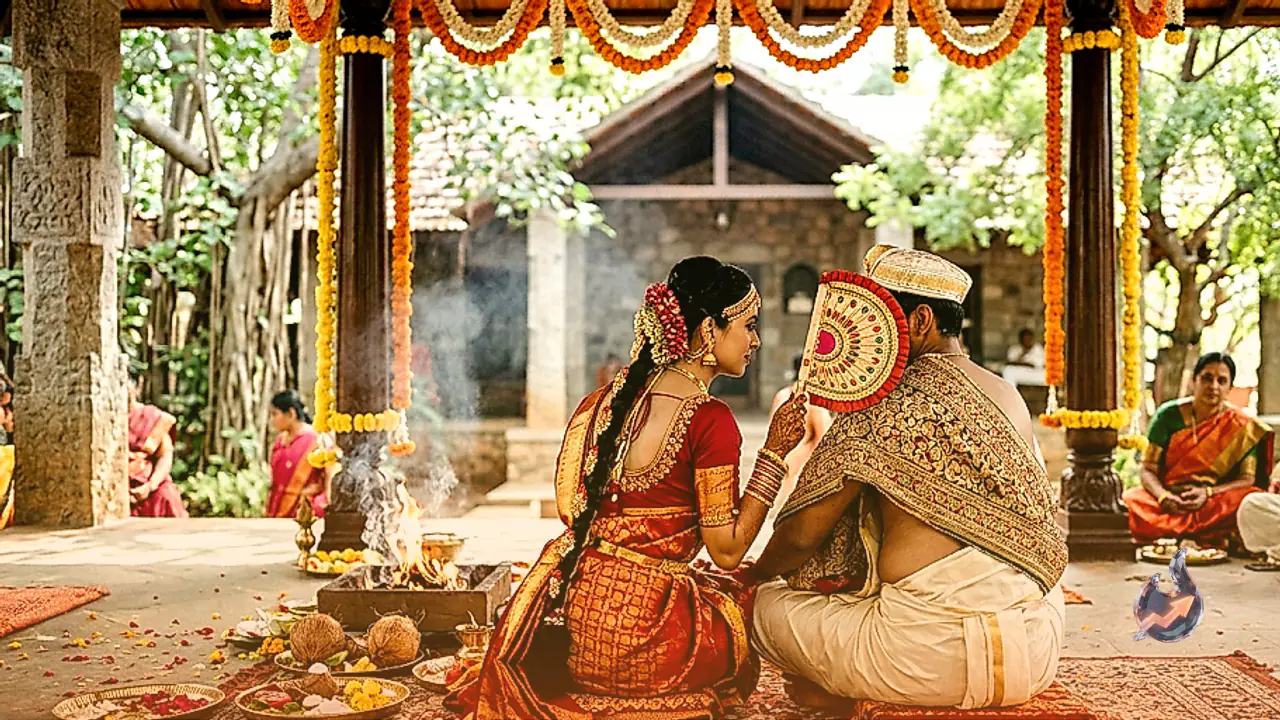


















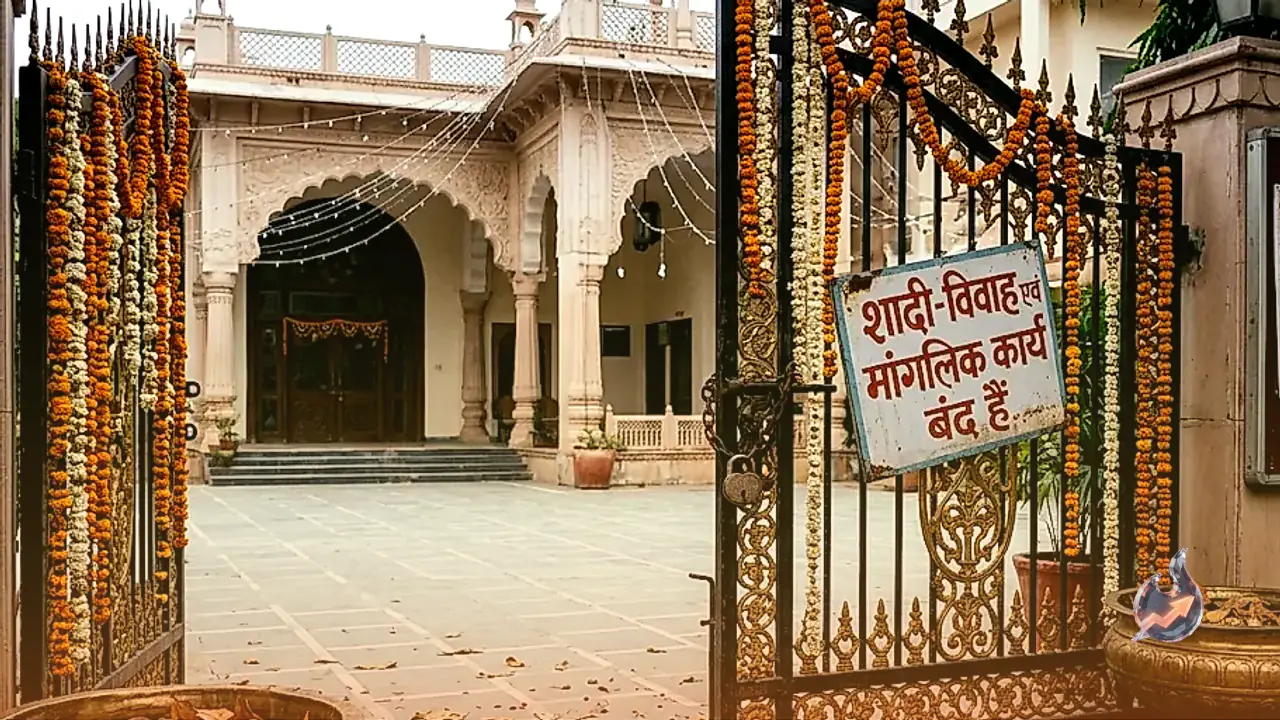

In Hindu culture, marriage is considered one of the most sacred and vital milestones in a person's life. Because of this significance, families carefully check the panchang, auspicious timings, and planetary positions before finalizing a wedding date. Many people notice that after the month of Ashadha, the sound of wedding celebrations and music completely fades away for nearly four months, only to resume around the time of Devuthani Ekadashi.
However, people often wonder why weddings come to a complete standstill during this specific period. The primary reason behind this practice is tied to religious beliefs surrounding Lord Vishnu entering a deep meditative sleep known to devotees as yoganidra, along with the observance of Chaturmas. This is why Devuthani Ekadashi is celebrated as the special day when auspicious ceremonies can officially begin once again.
What Is The Connection Between Lord Vishnu Sleep And Marriages?
According to traditional Hindu beliefs, Lord Vishnu enters a state of yoganidra on the eleventh day of the waxing moon in the month of Ashadha. This specific date is widely known as Devshayani Ekadashi. Legend states that Lord Vishnu rests on the serpent Shesha in the cosmic ocean and finally wakes up on the eleventh day of the waxing moon in the month of Kartik. This awakening day is called Devuthani Ekadashi, Devotthan Ekadashi, or Prabodhini Ekadashi.
The four-month period spanning from Lord Vishnu entering sleep until his eventual awakening is known as Chaturmas. During this timeframe, Hindu tradition strictly avoids organizing major auspicious events such as weddings, housewarming ceremonies, head-shaving rituals, and sacred thread ceremonies. Once Devuthani Ekadashi arrives and Lord Vishnu awakens, Chaturmas officially ends, allowing auspicious wedding dates to open up once more in the calendar.
Why Do Wedding Seasons Kick Off Only After Devuthani Ekadashi?
In Hindu tradition, Lord Vishnu is revered as the preserver of the universe. Because he is believed to be resting throughout Chaturmas, major celebratory functions like marriages are purposefully put on hold. The moment he wakes up on Devuthani Ekadashi, the pause on auspicious activities is lifted entirely.
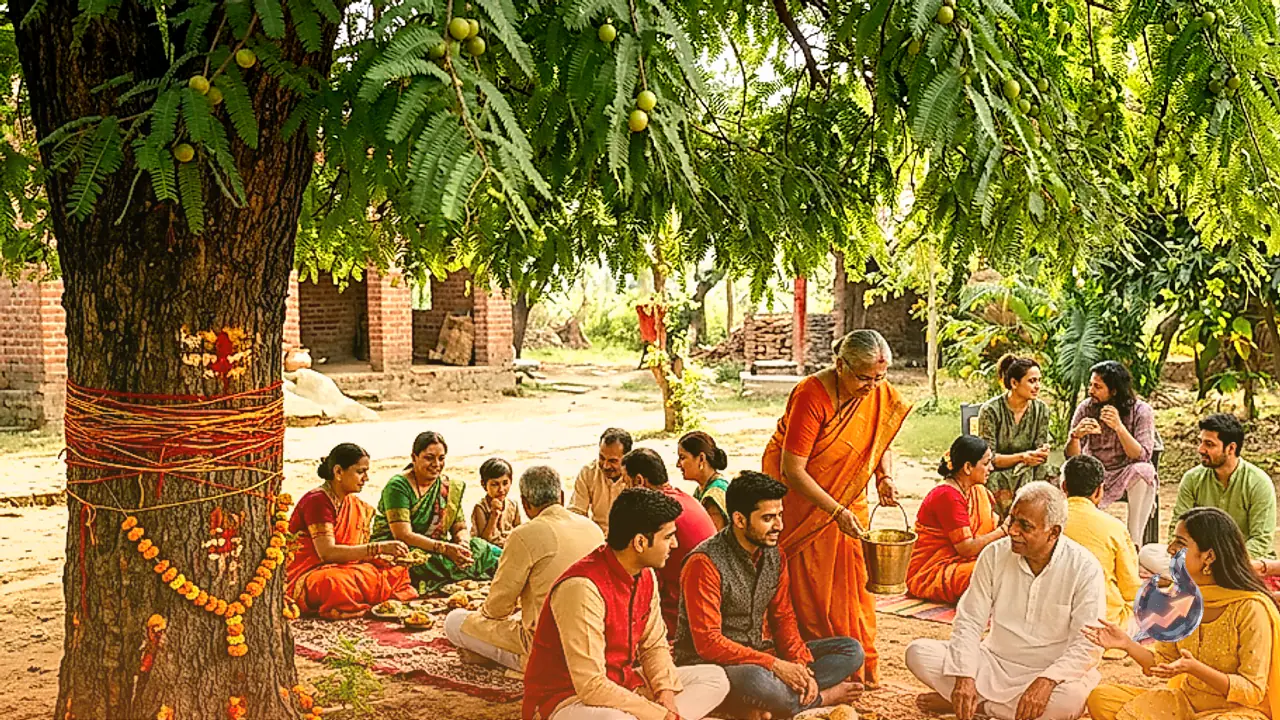
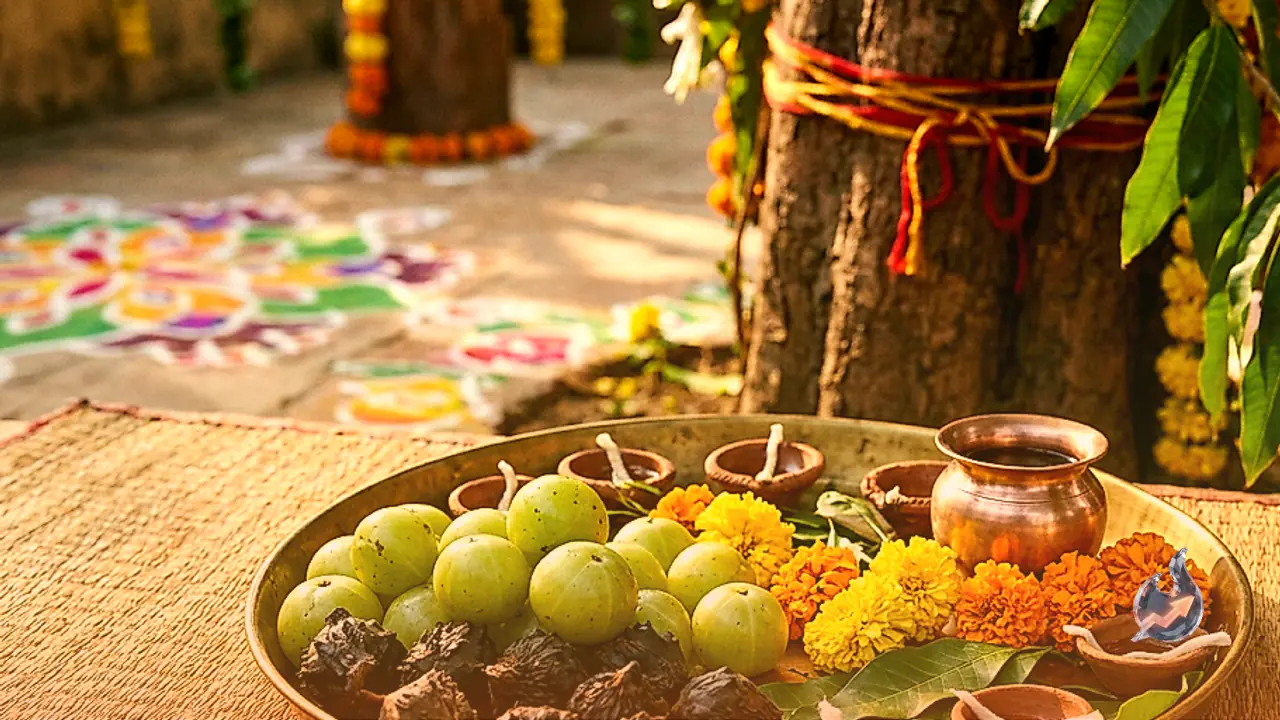
This explains why weddings, engagements, housewarmings, and other celebratory events begin to take place in large numbers right after this day. Around the same time, the tradition of Tulsi Vivah is also observed, where the sacred Tulsi plant is ceremonially married to the Shaligram form of Lord Vishnu. While many families perform this ritual on Devuthani Ekadashi itself, others observe it on the following Dwadashi day. Since Tulsi is seen as a manifestation of Goddess Lakshmi and Shaligram represents Lord Vishnu, this symbolic marriage marks the true opening of the wedding season.
Why Were Auspicious Events Halted During Chaturmas?
Beyond its deep religious significance, Chaturmas also stems from practical lifestyle and seasonal considerations from ancient times. Heavy rainfall occurs across many parts of the country during these four months. In earlier eras, traveling long distances, escorting wedding processions across difficult terrain, and managing massive public gatherings was exceptionally challenging.
Monsoon rains often washed away dirt tracks and created severe transit hurdles for travelers. To navigate these difficulties, people set aside this specific period for focused prayers, fasting, spiritual discipline, and strict religious observances. Over time, avoiding large celebrations like weddings during Chaturmas evolved into a strong cultural practice. Even though regional practices varied, the core religious anchor remained the resting period of Lord Vishnu.
Can Weddings Be Performed Directly On Devuthani Ekadashi?
Many communities view Devuthani Ekadashi as an auspicious day where specific rituals can be performed without needing a formal muhurat check, though actual wedding customs vary by region and family preference. Generally, people dedicate this day to worshipping Lord Vishnu and conducting Tulsi Vivah ceremonies. Following these initial prayers, families look up specific auspicious dates in the panchang to schedule their weddings.