


















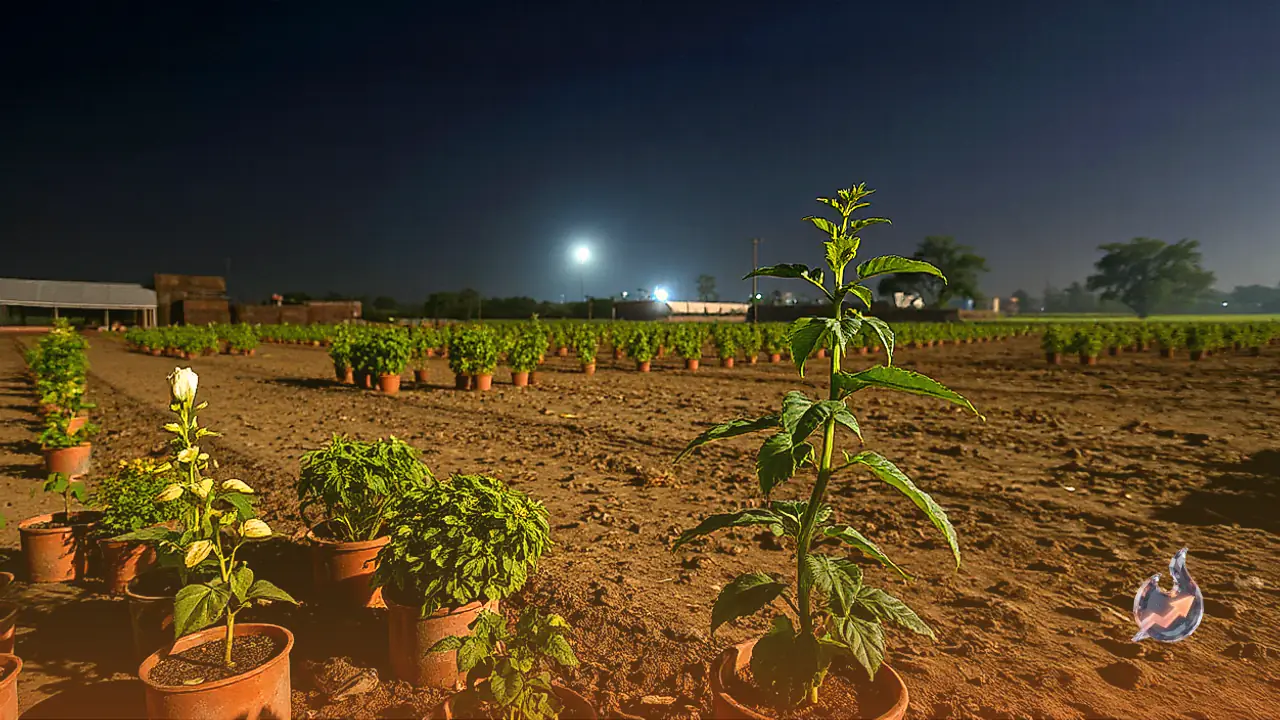

The Brahma Kamal plant is widely admired for its striking appearance and unique identity. When its large, white flower opens up, onlookers are left mesmerized by its beauty. Many people consider it auspicious and wish to grow it in their home gardens, balconies, or terraces. The good news is that a specific variety popularly known as Brahma Kamal in India can be easily grown in a pot.
Distinguishing Between Wild and Domestic Varieties
Before purchasing any plant, it is essential to understand its proper identification. The authentic Himalayan Brahma Kamal and the night-blooming plant commonly found in residential homes are not the same species. Therefore, knowing the exact type before buying is crucial.
Identifying the Household Brahma Kamal
Two distinct plants are known by the name Brahma Kamal in India. The true Himalayan Brahma Kamal is scientifically named Saussurea obvallata. It is found in high-altitude Himalayan regions including Uttarakhand, thriving in cold mountainous areas at elevations between 3,200 and 5,200 meters. Cultivating it in ordinary lowland homes is quite difficult. On the other hand, the Brahma Kamal sold in local nurseries is typically Epiphyllum oxypetalum, also referred to as the Queen of the Night or night-blooming cereus.
This plant belongs to the cactus family, and its large white blossoms open exclusively at night. People usually choose this specific variety when they want to grow a Brahma Kamal at home.
How to Propagating Brahma Kamal from Cuttings
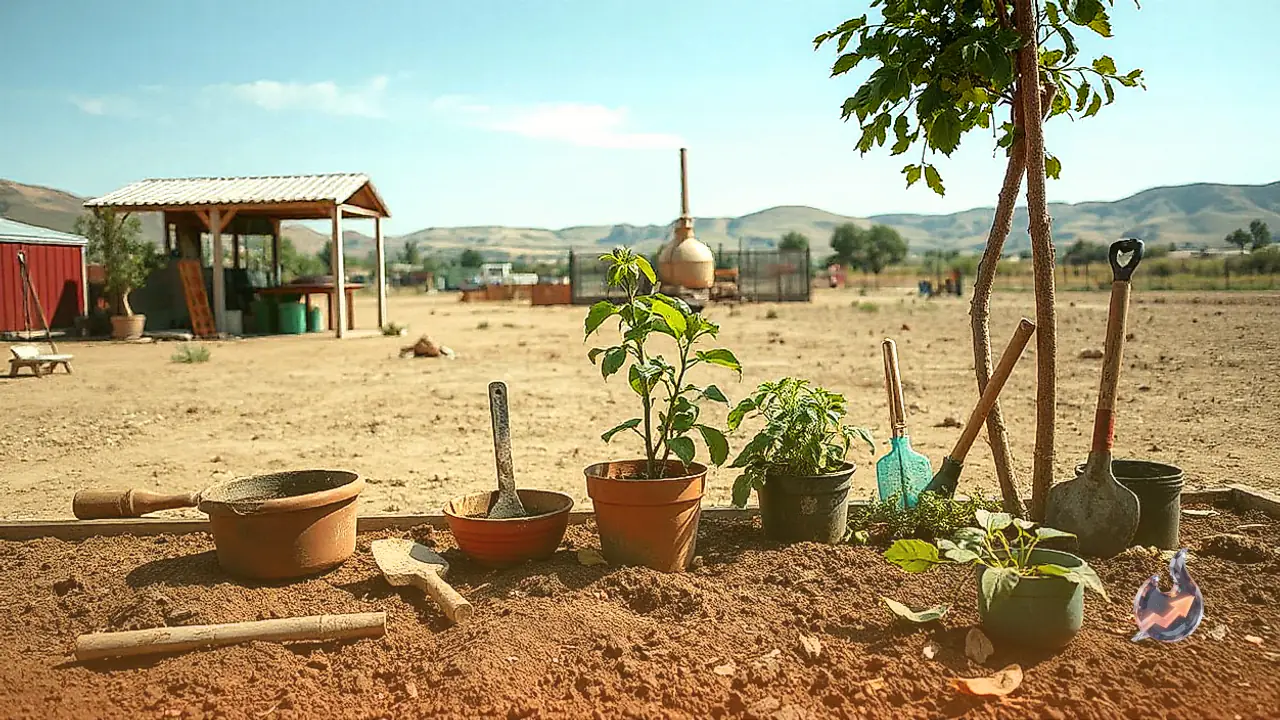
The simplest method to grow this plant at home is by preparing a new specimen through stem cuttings. For this process, select a healthy, green, and flat stem-like leaf from a mature and vigorous plant.
1. Take a healthy cutting measuring approximately 5 to 6 inches from the parent plant.
2. Keep the cutting in a shaded area for 1 to 2 days to let the cut end heal and dry completely.
3. Plant it about 1 to 2 inches deep into a well-draining soil mixture.
4. Keep the soil slightly moist while ensuring that water never accumulates or stagnates.
5. Place the pot in a location where harsh sunlight does not fall directly on it.
Developing roots from the cutting may take several weeks. A research review has also outlined this method of propagating the plant through stem and leaf cuttings.
Ideal Soil Requirements for Growth
The Brahma Kamal plant requires a soil type that drains water efficiently while allowing air to reach its roots freely. You can prepare a general potting mix using specific components
30 percent coco peat or leaf mold
This is merely a suggestion for a standard potting mix and there is no fixed scientific ratio. Water must never log in the soil. Always ensure there is a drainage hole at the bottom of the pot. Sandy soil rich in organic matter is considered highly beneficial for this plant.
Sunlight and Watering Best Practices
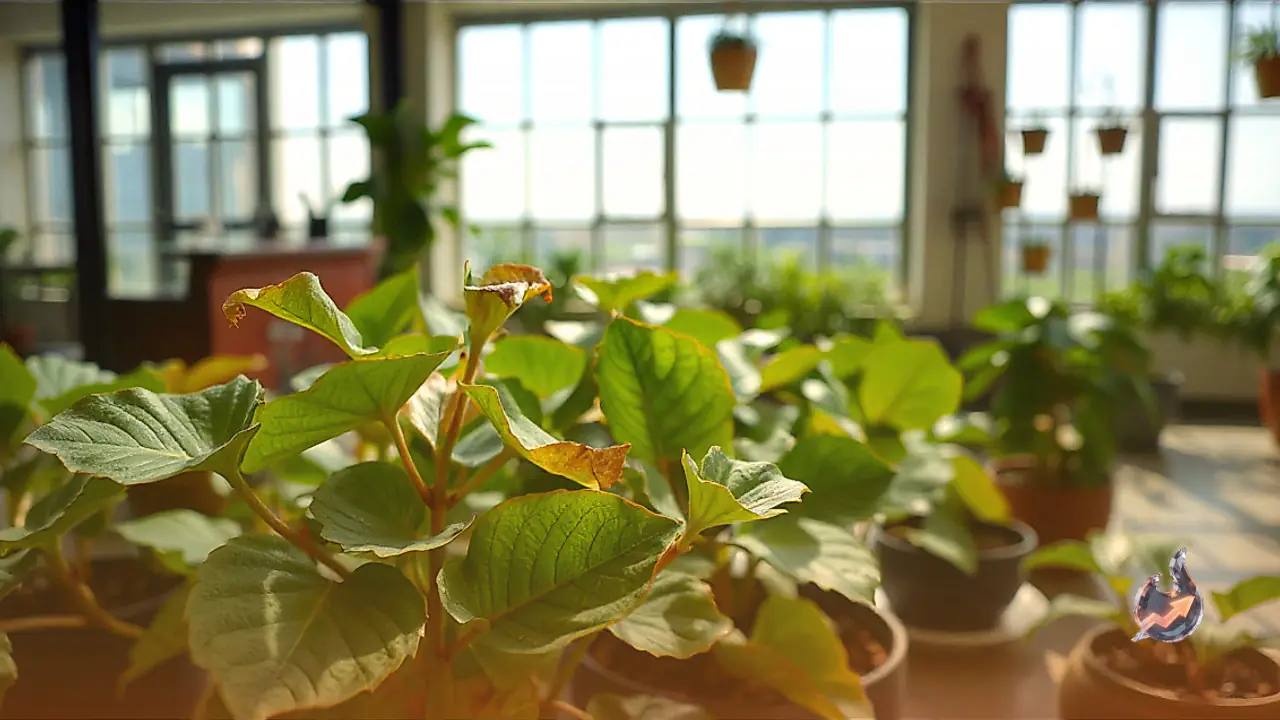
This cactus variety prefers bright, indirect light rather than harsh, direct sunlight throughout the day. You can place it on a balcony, near a window, or in a garden area that receives ample illumination without exposing the foliage to scorching afternoon sun.
A little caution is necessary when it comes to watering. Soil can dry out quickly during the summer months, so it is important to check the moisture levels regularly. Water the plant only when the top layer of the soil begins to dry out. During winter, plant growth may slow down, which means watering should be reduced accordingly. Overwatering can easily damage or rot the roots.
When Do the Flowers Bloom?
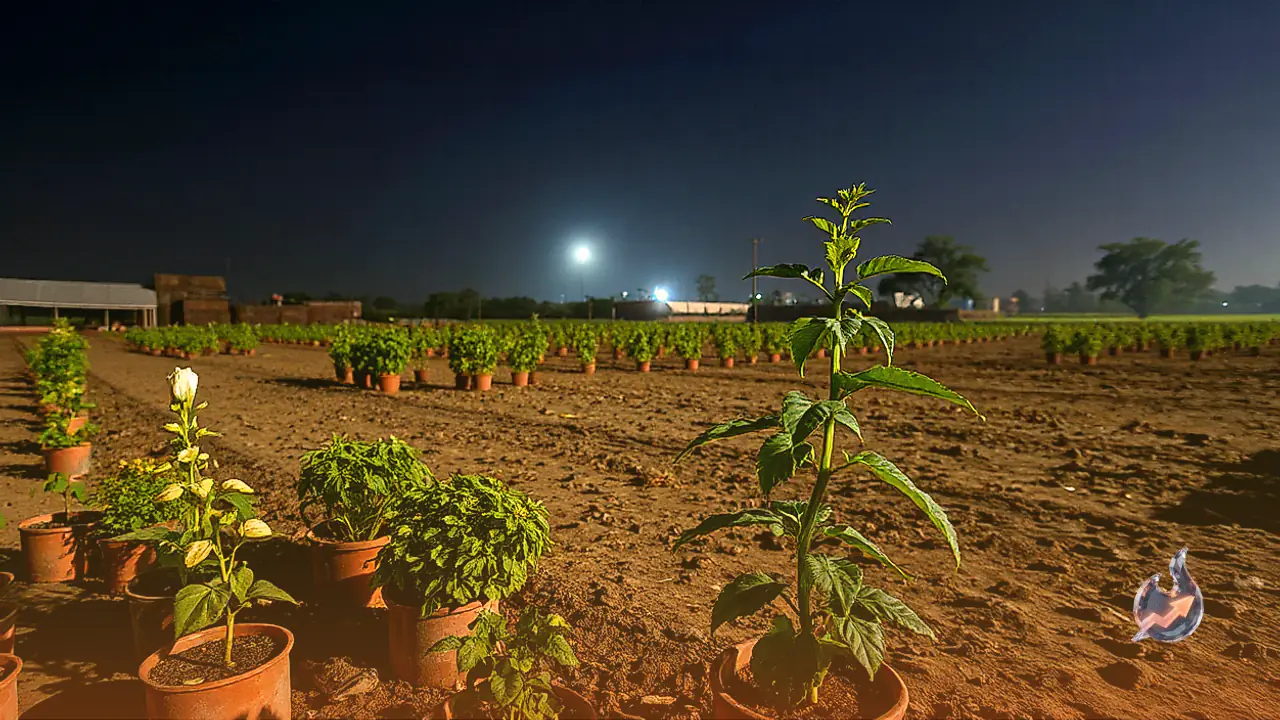
The domestic Epiphyllum oxypetalum is famous for its night-blooming flowers. Its large, white, and fragrant blossoms open up between evening and night time. Typically, the flower stays open for only a few hours and begins to wither by morning.
According to research reviews, these flowers start opening around 8 to 10 PM and can fully bloom between midnight and 3 AM. However, the timing and season of flowering can vary depending on the plant age and overall care. Do not expect flowers to appear immediately after planting. Give the plant adequate time to grow. With sufficient light, proper watering, and good soil, the plant gradually expands, though flowering is never guaranteed.
Mistakes to Avoid While Growing
Avoid keeping the plant under harsh, direct sunlight all day long. Do not apply fertilizer repeatedly without any actual need. Do not keep small cuttings constantly soggy by over-watering. Avoid moving the plant frequently from one place to another.
One important point to remember is that attempting to grow the true Himalayan Brahma Kamal, scientifically known as Saussurea obvallata, involves entirely different care requirements. It flourishes only in high-altitude, cold environments and cannot be grown easily in ordinary pots across lowland plains.