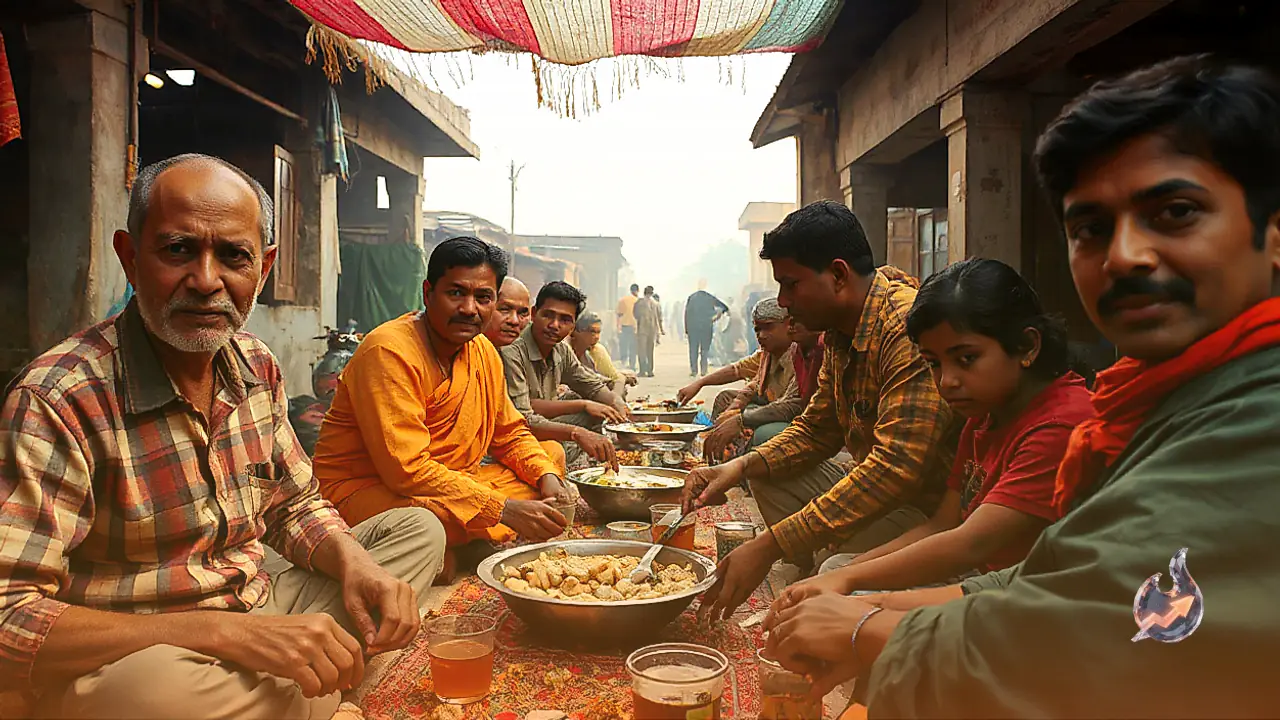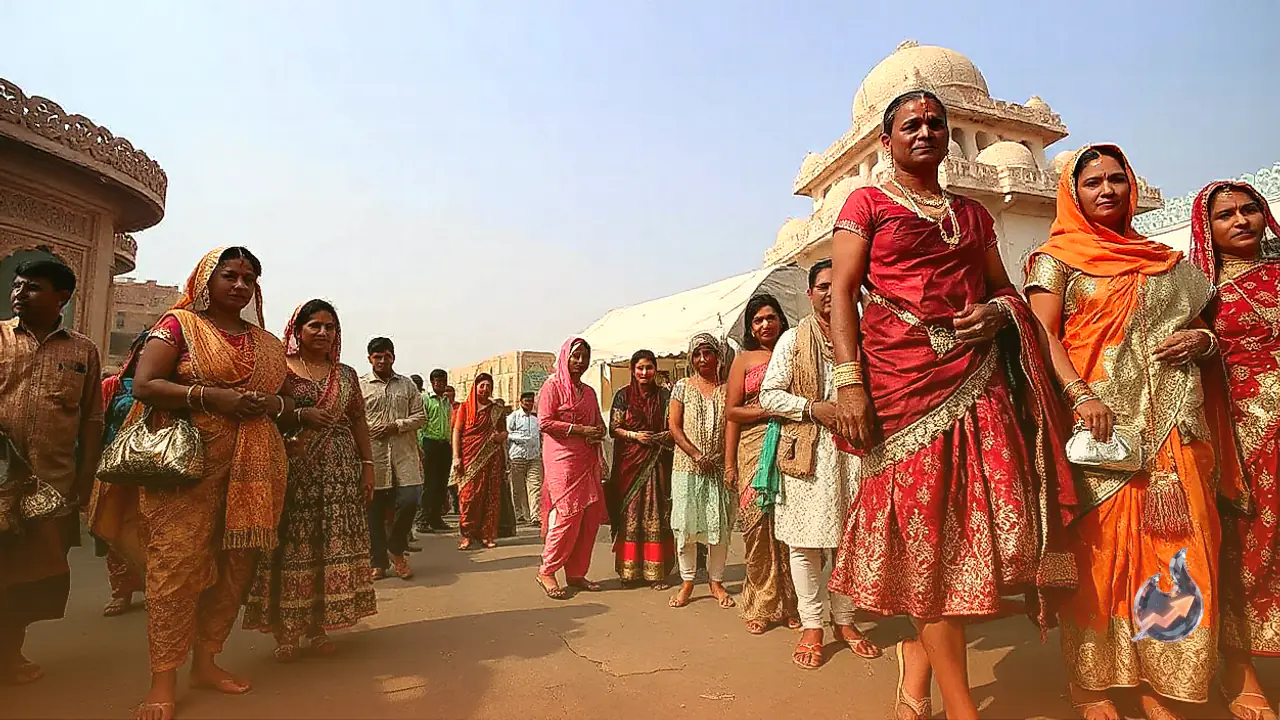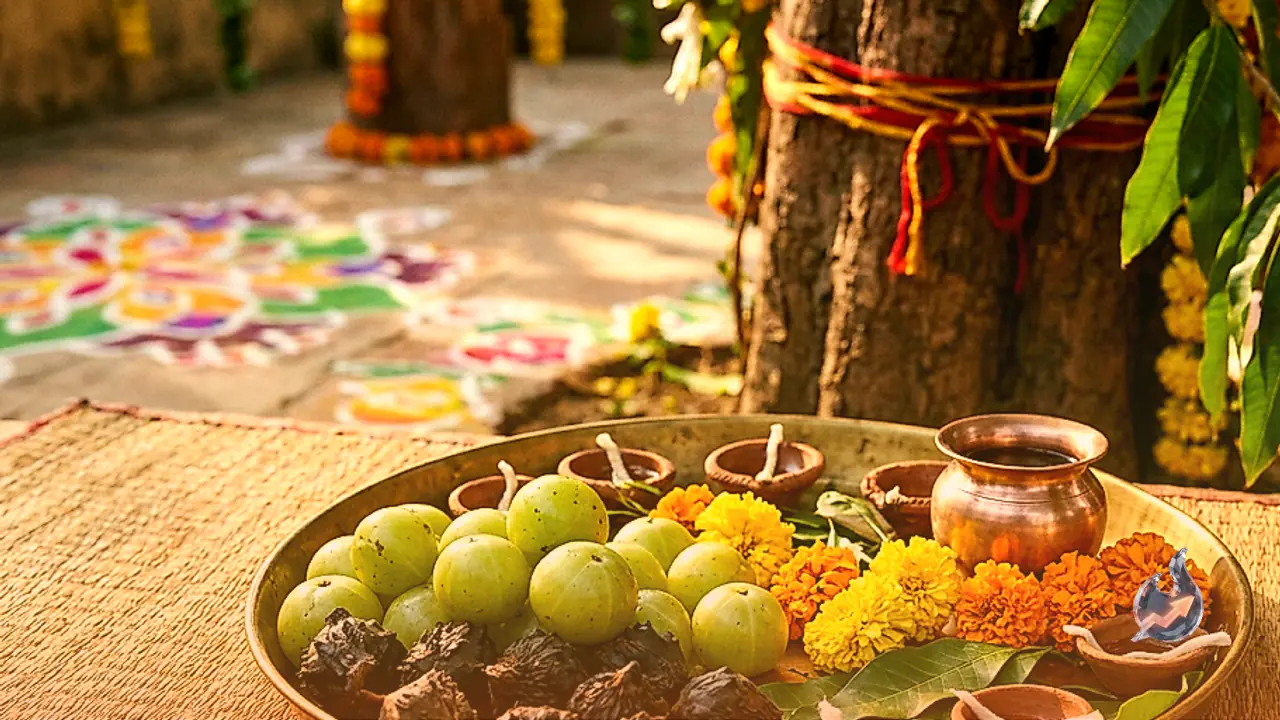





















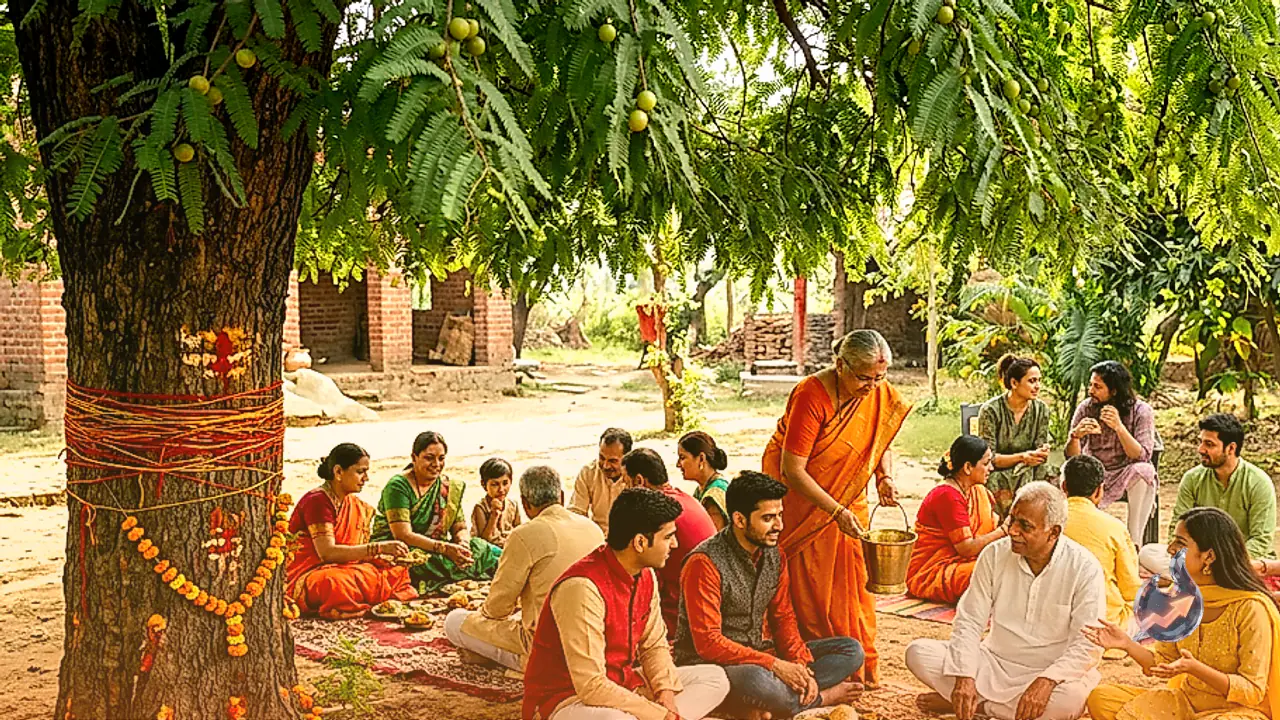

Akshay Navami, observed on the ninth lunar day of the bright fortnight in the month of Kartik, is marked by a distinctive tradition of worshipping the Amla tree and partaking in a meal beneath its canopy. On this auspicious morning, numerous women bathe early, visit an Amla tree, perform rituals, and share a meal with family members right next to the trunk. Yet, many wonder how the custom of eating under this specific tree originated and what connection it holds with divine lore. A fascinating legend involving Goddess Lakshmi explains the roots of this enduring cultural practice.
Why Goddess Lakshmi Worshipped the Amla Tree
According to traditional belief, Goddess Lakshmi once descended to Earth for a journey. During her wanderings, a strong desire arose within her to worship Lord Vishnu and Lord Shiva simultaneously. She pondered over finding a way to honor both deities together through a single medium. Religious lore notes that Lord Vishnu holds a fondness for Tulsi while Lord Shiva favors Bel leaves. Goddess Lakshmi observed that the Amla tree embodies the qualities and symbolic essence of both plants. Consequently, she regarded the Amla tree as a combined manifestation of both gods and commenced her worship.
Preparing and Sharing Meals Beneath the Branches
The narrative continues with the appearance of Lord Vishnu and Lord Shiva, who manifested before Goddess Lakshmi, deeply pleased by her devotion. Following their appearance, Goddess Lakshmi prepared a meal directly beneath the Amla tree and served it with affection to both divine beings. Afterward, she sat down in the same spot to partake of the sanctified food herself. This entire episode is traditionally believed to have occurred on the ninth day of the Kartik Shukla Paksha. Ever since, the custom of worshipping the tree and eating under its shade has persisted as a popular folk tradition, though experts note it is primarily a cultural observance rather than a rigid scriptural mandate.
Significance of Dining and Charity on Akshay Navami
Religious tradition holds that worshipping the Amla tree, sharing meals, and performing acts of charity on Akshay Navami yield eternal spiritual merit. The word akshay translates to a reward that never diminishes or decays. Hence, auspicious deeds performed on this day are believed to bring long-lasting favorable outcomes. Furthermore, the Amla tree shares a close association with Lord Vishnu. Partaking in a meal beneath its branches on this occasion is said to invoke the blessings of both Lord Vishnu and Goddess Lakshmi, ensuring sustained prosperity, peace, and harmony within the household.
How the Akshay Navami Ritual Is Performed
The observance begins early in the morning with a ritual bath followed by clean attire. Devotees proceed to an Amla tree, offer water to its roots, and adorn the trunk with vermilion, unbroken rice grains, and floral offerings. A lamp is lit while meditating on Lord Vishnu and Goddess Lakshmi. In many regions, women wrap raw cotton thread around the tree trunk while performing ritual circumambulations. Afterward, they listen to the Akshay Navami story and conclude with an aarti. Once the worship concludes, families gather under the shade to eat. Many households first offer the meal as a bhog to the deities, feed the needy, and then consume the prasad themselves.