






















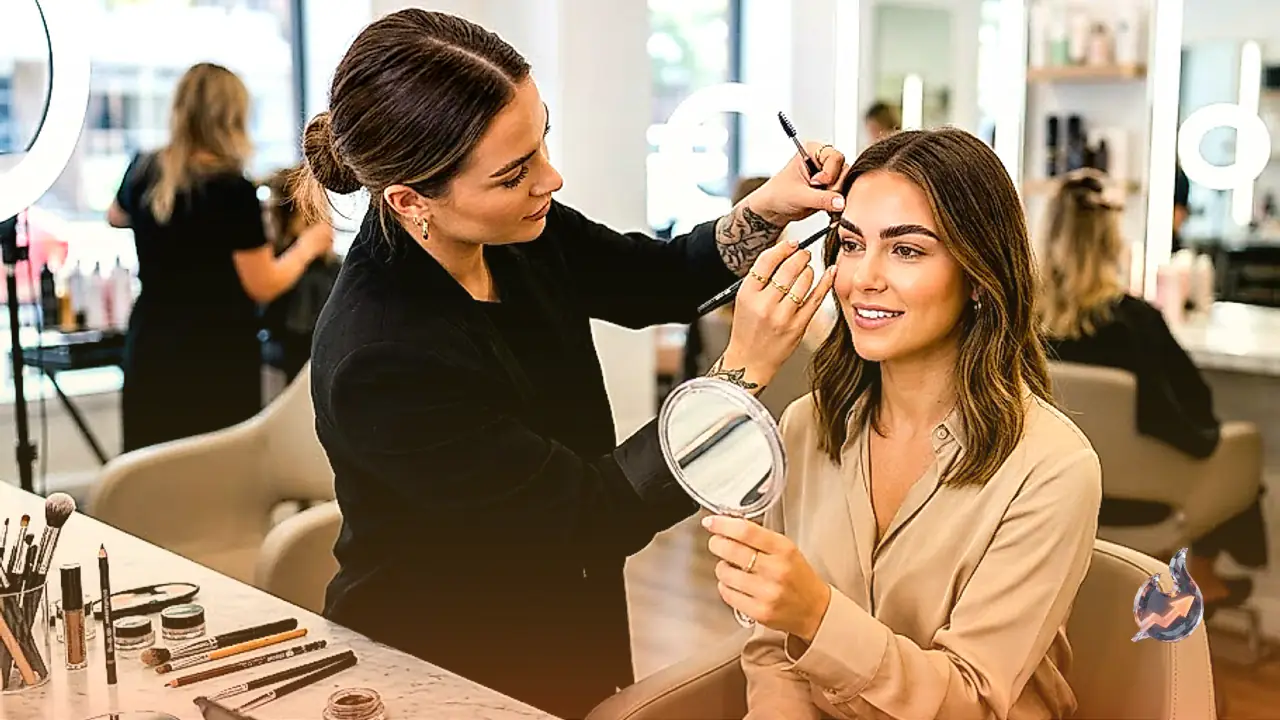

Eyebrows represent one of the most decisive facial elements, possessing the power to dramatically alter an individual's entire appearance. It is a common occurrence that despite meticulous makeup application, the final presentation fails to deliver the expected charm, a dilemma often rooted directly in choosing an improper eyebrow silhouette. Plucking eyebrows excessively thin can cast an awkward expression across the face, while overly bushy brows or unnaturally sharp, high arches risk throwing overall facial proportions completely out of balance. Consequently, visiting a styling chair requires far more consideration than simply chasing the prevailing beauty trend of the moment.
Determining the most flattering shape demands careful evaluation of the face structure, forehead width, and unique eye placement. When brow contours align harmoniously with underlying bone architecture, facial features appear refined, defined, and remarkably well put together even without the aid of heavy cosmetics.
Aligning Brow Contours With Underlying Face Geometry
The foundation of effective brow styling rests upon accurately identifying facial geometry. Round, oval, square, oblong, and heart-shaped faces each display distinct proportions, meaning a brow outline that looks striking on one person can look entirely mismatched on another. The core objective behind selecting a tailored shape is establishing a natural and balanced visual equilibrium across the face.
Opting for Subtle Arches on Round Faces
For individuals possessing round faces characterized by prominent cheek width, sculpting a moderately high arch provides an excellent aesthetic solution. This upward incline effectively creates the visual illusion of a longer, more structured profile. Circular brow designs must be strictly avoided here, as rounding the brows only exaggerates the fullness of the cheeks. Stylists advise maintaining a soft, natural transition at the peak rather than carving out an overly severe or angular point.
Preserving Natural Balance on Oval Profiles
An oval face is widely recognized as naturally balanced and versatile. This proportion effortlessly accommodates soft-arched, organic brow styles without requiring drastic alteration. There is zero need to thin the brows excessively or fabricate dramatic, sky-high arches. By simply respecting the natural volume of the hair and introducing a slight, graceful curve, facial features become instantly crisper and sharper.
Soft Curves to Counterbalance Square Jawlines
Square faces are defined by distinct breadth across the forehead paired with a prominent, structured jawline. Imposing rigid, pin-straight brows on this profile only reinforces the angular hardness of the facial framework. Introducing a delicate curve or a subtle, gentle lift softens those sharp perimeters, yielding pleasing symmetry. It remains vital, however, not to elevate the arch too high to prevent the expression from appearing unintentionally stern or theatrical.
Horizontal Symmetry for Longer Faces
Crafting steep, towering arches on an elongated face inadvertently pulls the entire countenance further downward, making it appear even longer. Therefore, relatively flat or mildly curved brow designs serve as the ideal antidote for longer bone structures. Furthermore, the outer tails of the brows should never be shortened excessively. Maintaining full, natural lateral length across the brow bone creates a visual interruption that lends needed width and proportion to the face.
Harmonizing the Forehead on Heart-Shaped Faces
A heart-shaped face typically presents a broader forehead contrasted against a noticeably delicate, narrow chin. To counterbalance this upper-to-lower variation, a tender, low-key arch works exceptionally well. Plucking the brows down to sparse, thin lines must be avoided, as overly thin brows cause the wide forehead to look even more pronounced. Maintaining balanced fullness allows the brows to tie the upper and lower features together seamlessly.
Key Factors Beyond Basic Face Categories
Relying solely on face outlines is insufficient when planning brow maintenance. The spacing between both eyes, the inherent thickness of the brow line, and individual hair growth patterns must all guide the shaping process. For those blessed with naturally lush, dense brows, the healthiest approach avoids aggressive thinning, focusing instead on cleaning stray hairs around the perimeter to enhance the brow's inherent, organic line.