



















Growing an aloe vera plant at home is often considered low-effort because it generally thrives without intensive maintenance, yet many gardeners face the sudden frustration of seeing the fleshy foliage turn pale, frail, thin, or yellow. Aloe vera belongs to the succulent category, meaning its thick leaves naturally store an abundance of moisture and reserve water. Due to this unique biological structure, the plant does not require regular daily irrigation. When standing water remains trapped around the root system or when the plant is left under scorching direct heat for prolonged hours, its overall vitality quickly deteriorates. Achieving healthy foliage and steady growth demands a careful balance among well-draining soil, appropriate pot geometry, and suitable lighting conditions.
Proper Watering Routine and Soil Moisture Verification
The thick and substantial structure of aloe vera foliage is entirely due to the plant's natural capacity to retain water inside its tissues. Because of this built-in moisture reservoir, frequent irrigation is the most counterproductive mistake one can make. If the top layer of potting soil feels even slightly damp to the touch, watering must be avoided completely. There is no single rigid watering calendar that fits every season, environment, or container size. High summer temperatures, seasonal monsoon humidity, the overall volume of the container, and the specific soil blend all continuously shift the moisture requirements of the plant. Checking the actual dampness of the soil with your fingers is far more reliable than relying on a predetermined calendar schedule.
Hazards Associated With Excessive Moisture
When excess water is poured into an aloe vera container, moisture lingers persistently around the root zone without escaping. This prolonged saturation leads directly to root decay and causes the thick foliage to lose its natural turgidity, becoming limp, mushy, and soft. If the leaves take on an unnatural yellow tint or feel excessively fragile and squishy when pressed, the watering habit must be re-evaluated immediately. When such signs appear, halting all irrigation and giving the soil sufficient time to dry out completely is the only practical way to halt further damage.
Balancing Sunlight and Ambient Lighting
While aloe vera plants require good light to stay active, subjecting them to intense and direct sunlight for extended stretches creates severe heat stress across the leaves. The harsh, baking heat of summer afternoons can quickly scorch and discolor the tissue. The best placement for the plant is a well-lit location that receives ample bright ambient light along with mild, gentle morning sunshine. Conversely, leaving an aloe vera plant in a dark room or poorly lit corner causes its growth to turn spindly, weak, and thin. Placing the pot where generous natural daylight flows freely ensures balanced and sturdy leaf development.
Choosing the Right Container and Drainage Setup
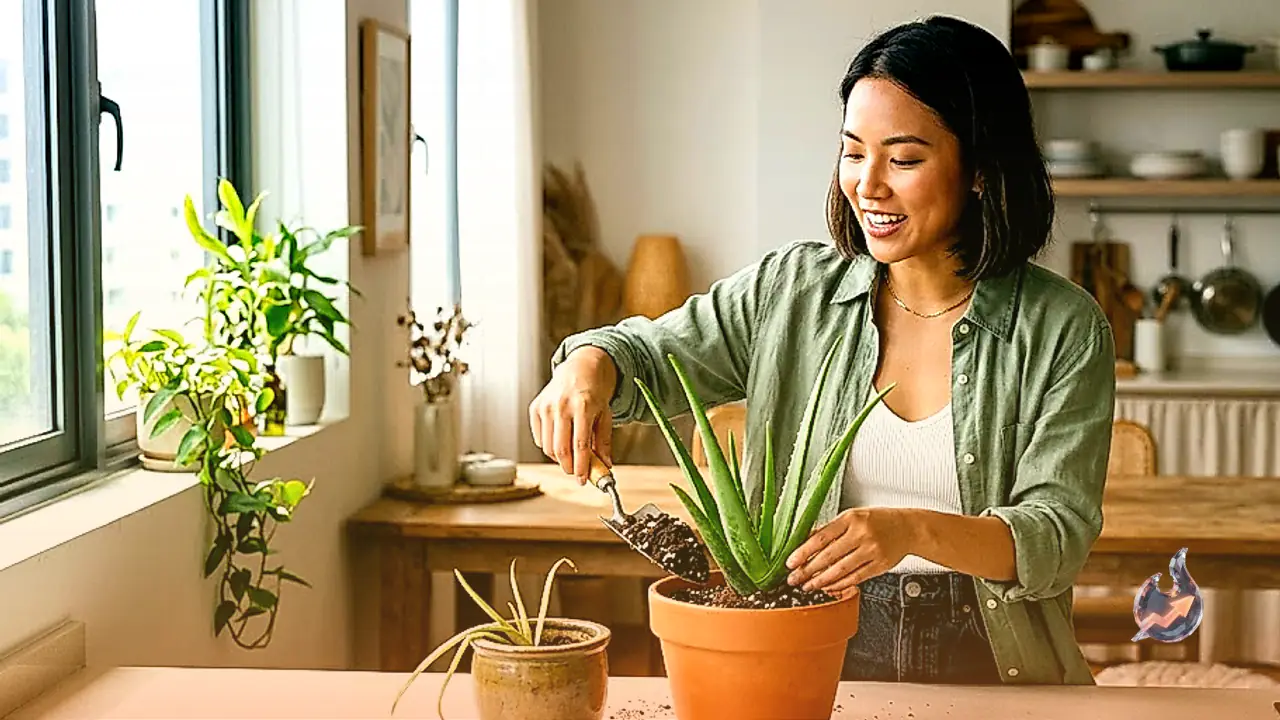
Aloe vera does not merely extend upward; as it matures, it continually produces small offshoots known as pups around the perimeter of the main base. Because of this spreading habit, planting aloe vera in narrow, deep containers restricts its natural growth cycle. A wide-mouthed container provides the necessary horizontal room for roots to establish themselves comfortably and allows emerging baby plants to surface freely. Equally critical is verifying that the base of the container contains open drainage holes. When surplus moisture flows freely out of the drainage openings, water accumulation in the soil mix is minimized, protecting the roots from suffocating.
Soil Composition and the Reality of Calcium Supplements
A loose, porous potting medium that facilitates rapid water runoff is essential for succulent health. Dense, heavy garden soil tends to hold onto water far too long and should be mixed with coarse sand, grit, or other drainage-enhancing amendments before planting. Commercially prepared cactus and succulent potting mixes also serve as a practical and reliable alternative. Standing moisture in the root zone remains a far greater threat to the plant than a slight lack of nutrients, making physical drainage far more critical than fertilizing.
Various household remedies suggest adding calcium sources, such as finely ground eggshell powder, to boost leaf thickness. However, the idea that sprinkling a single spoonful of white powder will miraculously thicken the leaves or guarantee higher gel density is unrealistic. If the potting soil already possesses normal base fertility, supplemental fertilizers are rarely necessary. If dried eggshell powder is chosen as an amendment, the shells must be thoroughly washed, dried completely, and processed into a fine consistency before being introduced in moderate amounts. Excessive fertilization can easily disrupt soil balance and harm delicate root tissues.
Natural Gel Production and Realistic Expectations
The clear gel and water content inside aloe vera leaves is naturally abundant, yet the precise volume and leaf thickness fluctuate depending on multiple external variables. The plant's age, its specific botanical variety, moisture availability, ambient light levels, and seasonal growing conditions all dictate how much gel the foliage contains. Because of these dynamic environmental influences, relying on claims of producing guaranteed 99 percent gel volume or expecting dramatic overnight changes from a single home remedy is inaccurate. Steady adherence to the fundamental principles of drainage, measured watering, and filtered sunlight remains the only effective way to keep the plant robust.