
















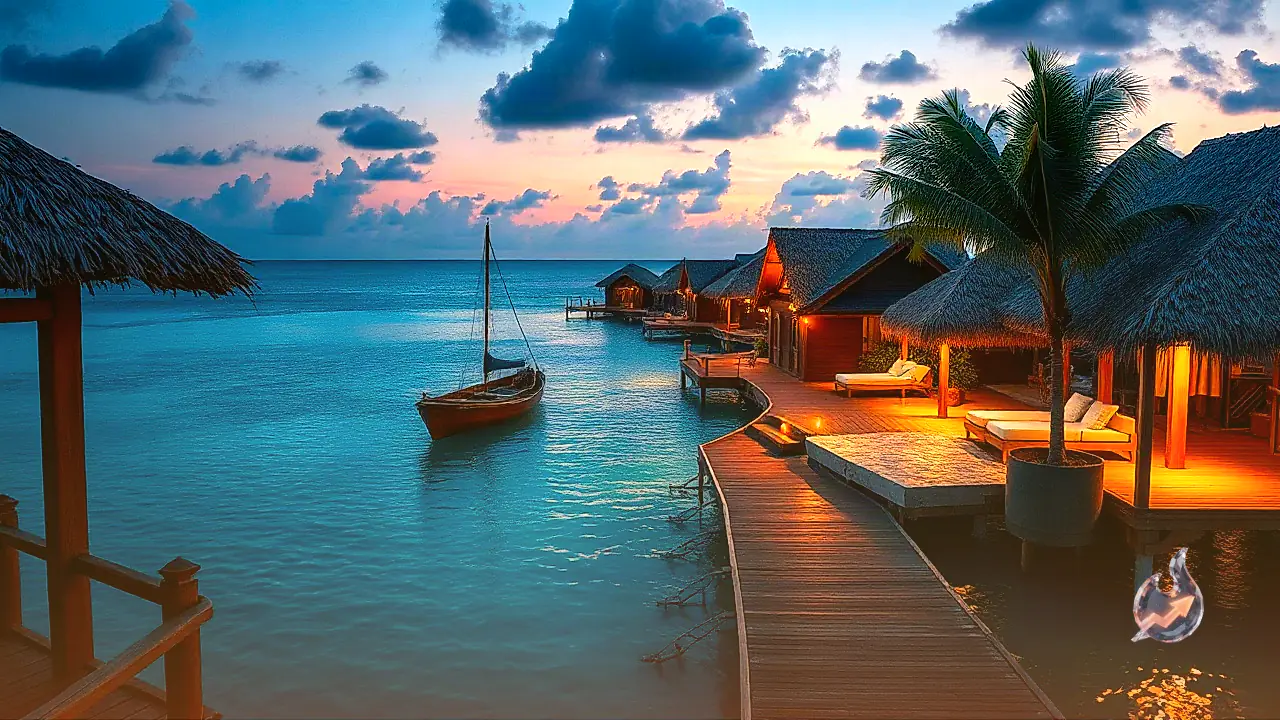

Whenever the Maldives enters travel conversations, the imagery that immediately springs to mind involves opulent villas balanced above crystal-clear lagoons, lavish infinity pools, and remote private resort islands where a single night's bill can easily dismantle an entire family holiday fund. Recent high-profile getaways, such as actor Nayanthara's Maldivian vacation, have spotlighted this ultra-luxurious tier of tourism, where a two-bedroom sunset water pool villa can reportedly cost in the region of ₹8 lakh for just a two-night stay. Such staggering figures frequently lead ordinary travellers to cross the archipelago off their wish lists under the mistaken assumption that paradise comes strictly with an astronomical price tag. Yet that gilded image represents only one segment of the country's broader tourism landscape.
Across the same Indian Ocean nation lies a thriving network of inhabited local islands where visitors can swap exclusive resorts for well-maintained guesthouses, experiencing the same turquoise waters, powder-white beaches, and regional culinary offerings on a modest outlay. A visit to the Maldives does not inherently require spending hundreds of thousands of rupees, provided travellers understand how the destination is structured and where real savings lie.
Private Resorts versus Inhabited Islands: The Cost Divide
The financial difference between staying on an exclusive resort island and selecting an inhabited local island is substantial. Travel guide data for 2026 indicates that basic guesthouse rooms across several local islands typically start in the range of 40 to 80 dollars per night, translating roughly to ₹3,500 to ₹7,000 or slightly higher depending on prevailing exchange rates. Naturally, rates can climb during peak holiday seasons or when booking larger, premium rooms, but the initial entry point remains remarkably accessible compared to private properties.
This accessible pricing reshapes the standard perception of Maldivian travel. By opting for an inhabited island rather than an isolated private resort, travellers circumvent the exorbitant costs associated with overwater structures, mandatory luxury meal plans, and expensive private boat transfers. In place of those expenditures, guests can rely on locally run lodgings, neighborhood eateries, and public or shared transit options. The official Visit Maldives tourism platform explicitly catalogs accommodation options across inhabited communities, prominently highlighting guesthouses on islands such as Dhigurah and Maafushi.
Maafushi: An Accessible Launchpad for First-Timers
For visitors organizing their first budget-friendly itinerary in the Maldives, Maafushi serves as a particularly practical base. Situated within convenient reach of the capital city, Male, and the international airport, Maafushi has cultivated a dense ecosystem of guesthouses, compact boutique hotels, independent cafes, and excursion operators. This competitive commercial environment makes securing lodging, daily meals, and day tours relatively straightforward and cost-effective.
Opting for a guesthouse on Maafushi does not mean forfeiting quintessential coastal experiences. The island features designated bikini beaches where international visitors can comfortably swim and sunbathe, alongside operators offering accessible snorkeling outings, sandbank visits, and watersports. What guests will not encounter is the total seclusion and manicured exclusivity characteristic of a private resort. Navigating shared public spaces alongside residents and fellow travelers constitutes the primary operational difference between budget and ultra-luxury island travel.
Thoddoo: Agricultural Charm and Peaceful Shores
Travelers seeking an environment far removed from crowded tour groups often find Thoddoo to be an appealing alternative. Official tourism information highlights Thoddoo for its expansive agricultural landscape and lush greenery, setting it apart from more built-up communities. The island is widely celebrated across the nation for its extensive watermelon farms and produce cultivation.
Staying at a guesthouse on Thoddoo offers travellers a front-row look at indigenous island routines alongside serene coastal surroundings. Guests can cycle past family farms, observe daily agricultural work, and unwind on tranquil beaches. It appeals strongly to travelers who prioritize authenticity, natural greenery, and unhurried village life over the polished, artificial confines of private luxury enclaves.
Dhigurah: Premier Diving and Marine Wildlife
For diving enthusiasts and marine life observers, Dhigurah represents another prime destination for independent island stays. Featured on the Visit Maldives portal for its guesthouse accommodations, the elongated island is heavily promoted for its proximity to world-renowned dive sites and frequent sightings of whale sharks and manta rays.
The draw here extends well beyond inexpensive room rates. A traveler working with a conservative budget can base themselves in Dhigurah to spend extensive portions of each day snorkeling along thriving house reefs, joining specialized dive boats, or walking along expansive sand spits. Rather than paying the steep activity premiums customary at private resorts, visitors can arrange marine outings directly through local dive shops at far more competitive rates.
Significant Reductions in Daily Dining Expenses
Beyond overnight accommodation fees, food and beverage costs represent the second major area where budget travel delivers major savings. Guests stranded on self-contained resort islands have little choice but to dine at in-house restaurants, where multi-course dinners and service levies can quickly inflate the final bill. Inhabited islands, by contrast, offer an array of small coffee shops, street-side grills, and family-owned restaurants.
According to 2026 travel guides, a standard meal at local island eateries generally runs between 5 and 12 dollars, which equals approximately ₹400 to ₹1,000, depending on the dish and the dining style chosen. Combining guesthouse accommodation with regular meals at local cafes brings daily travel expenditure down to a manageable fraction of a resort stay, allowing visitors to regulate their outlays without sacrificing nutrition or flavor.
Trade-Offs and Cultural Regulations on Local Islands
Planning an economical trip requires an honest evaluation of the necessary trade-offs. Choosing local islands is not a loophole for securing five-star luxury amenities on the cheap; it is an entirely distinct travel style. Visitors will not have private overwater decks, personalized butler service, or expansive private lagoons.
Furthermore, local laws and community traditions strictly govern inhabited islands. Alcohol is completely prohibited on local islands, meaning drinks cannot be purchased in shops or cafes. Outside of specifically marked bikini beach zones, visitors must adhere to local cultural modesty standards regarding clothing in public streets, residential areas, and harbors. In exchange for respecting these community guidelines, travelers receive genuine insight into Maldivian society, accessible beaches, hospitable hosts, and flavorful regional food.
The Core Difference Lies in Travel Style, Not the Destination
Celebrity vacations like Nayanthara's offer a glimpse into the highest tier of Maldivian hospitality, but that represents only a sliver of the country's full reality. A completely parallel travel infrastructure exists across inhabited islands, where stepping away from private resorts allows tourists to compress their expenses dramatically.
Those who long to see the Maldivian ocean but find themselves deterred by multi-lakh villa quotes need not abandon their travel ambitions. By picking the right island, traveling outside the peak pricing window, and utilizing local guesthouses, visitors will enjoy an experience vastly different in style from a luxury retreat, while fully savoring the extraordinary coastal beauty that makes the islands famous.