






















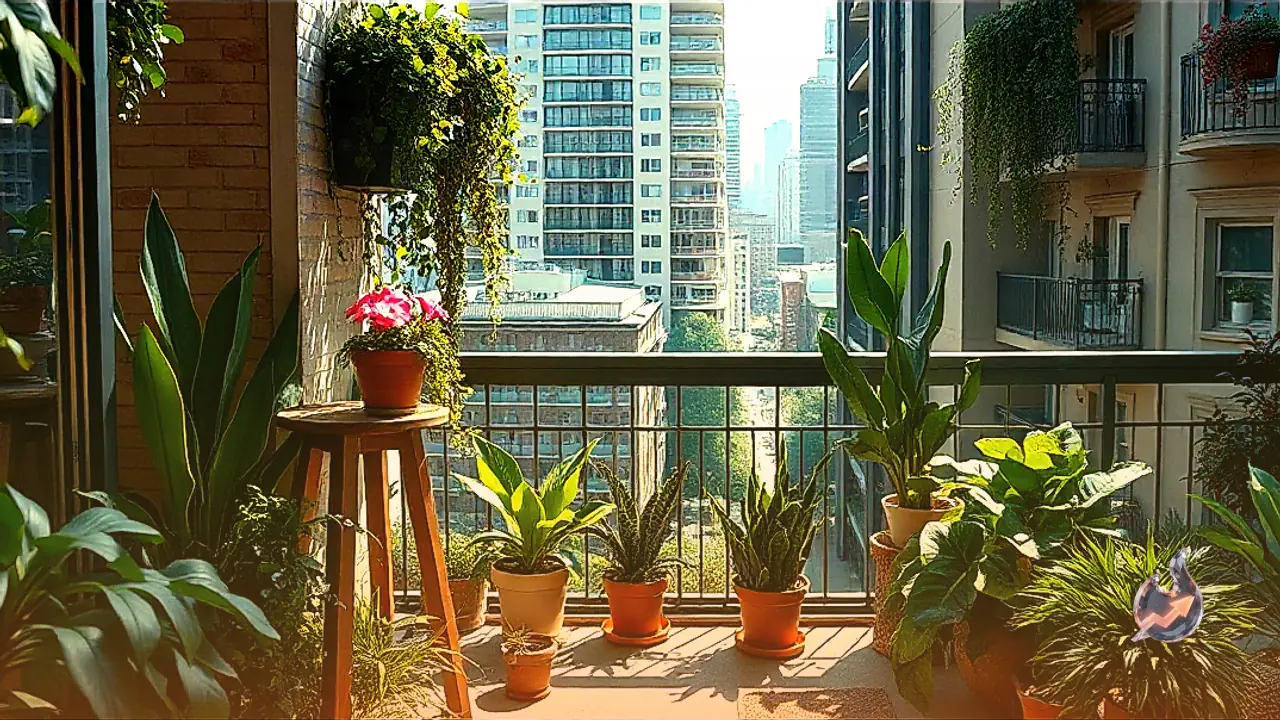

A distinct shift is quietly reshaping the way apartment residents approach their compact outdoor quarters. Where once a couple of isolated flowerpots sat along the railing, many city households are now turning these modest corners into lush, dense green sanctuaries. Beginning the morning with a cup of tea amid an enclave of vibrant foliage has turned into a cherished daily ritual in urban neighborhoods. The primary appeal of this approach lies in its practical accessibility, as cultivating a verdant escape does not demand sprawling yard space or costly professional landscaping setups. Bringing together varied plant heights, elevated hangers, creeping vines, and compact miniature trees can easily turn an ordinary tiled ledge into a forest-like retreat.
The Multi-Layered Principle Behind the Mini Jungle Concept
This evolving gardening philosophy has captured widespread attention as people look to infuse small spaces with untamed, natural greenery. The concept does not suggest planting an actual unruly wilderness outside the window. Instead, it refers to an intentional styling technique that arranges diverse plant species to produce an appearance that feels markedly fuller, organic, and vibrantly alive. Rather than lining pots in a rigid, single file along the floor, arrangements are built around differing heights, outlines, and foliage volumes.
A typical arrangement might feature a tall, leafy specimen anchored in the balcony corner. Positioned right before it sits a medium-sized variety, while the lowest tier accommodates compact pots and low-growing ground covers. When complemented by trailing vines dangling overhead, the entire area reveals distinct tiers of greenery. This multi-layered architecture forms the core characteristic that distinguishes the style from conventional balcony planting.
Focusing on Foliage Height and Spatial Spread Over Sheer Numbers
Achieving this lush ambiance depends far less on overcrowding pots and far more on planning physical elevation and natural leaf spread. Placing taller varieties along the rear wall, positioning mid-tier greenery in the center, and keeping tiny planters in the front creates an optical impression of rich volume. This tiered placement prevents the setting from looking cluttered while ensuring every plant gets adequate air and visibility.
Hanging planters serve a vital functional and aesthetic purpose in this type of environment. Where balcony railings are sturdy or ceiling hooks and wall surfaces are accessible, climbing and creeping vines offer tremendous utility. These climbing varieties bridge the gap between blank vertical masonry and overhead zones, turning barren concrete surfaces into an unbroken extension of the garden canopy.
Tailoring Moisture Levels and Lighting Conditions to Plant Needs
An overly enthusiastic start often leads to a common misstep among beginner growers. Eager to see instant density, people frequently purchase large collections of diverse plants and proceed to water them on an identical, rigid timetable. In reality, water consumption differs sharply from one species to another. Before selecting containers from a garden nursery, one must carefully observe the duration and intensity of sunlight reaching different zones of the balcony.
Portions receiving harsh, direct rays throughout the day should be reserved strictly for sun-loving varieties that can thrive in heat. Conversely, sheltered sections receiving diffused light or steady shade need shade-tolerant specimens capable of sustained growth in dim settings. Adapting the plant palette directly to existing light levels significantly simplifies ongoing maintenance and keeps the green corner thriving across changing seasons.
Maximizing Small Footprints Through Vertical Infrastructure
Limited balcony square footage does not mean floor space must be sacrificed entirely to plant containers. Making use of vertical plant ladders, suspended hanging planters, and narrow wall-hugging tiers keeps central pathways clear while unlocking previously neglected air space. This vertical distribution maintains essential foot movement while expanding the usable green canopy upward.
Crowding an oversized variety into an exceptionally small area can quickly make the space feel chaotic and restricted. Striking a thoughtful balance between a few dominant focal plants and smaller complementary pots maintains visual harmony. Swapping out matching, uniform plastic containers for pots with diverse textures, ceramics, and natural materials further enhances the wild, organic aesthetic of the space.
Custom Personalization and Critical Structural Safeguards
One of the strongest merits of this green living concept is the absence of rigid layout mandates. The environment can be tailored entirely to personal taste and domestic requirements. Those who appreciate broad, emerald foliage can prioritize tropical varieties, while others seeking color can easily weave in seasonal flowering plants. Culinary enthusiasts can just as smoothly incorporate practical kitchen herbs like mint or coriander into the dense landscape.
At the same time, structural and environmental safety factors require careful attention during installation. Growers must verify adequate air circulation, reliable drainage channels to prevent water accumulation, and the total load capacity of the balcony floor. Planters mounted high along walls or suspended from ceiling fixtures demand rigorous checks to confirm their mountings can safely support wet soil and vigorous foliage without risking accidental falls.
Maintaining Visual Balance Through Regular Pruning and Cleaning
Keeping a compact green enclosure attractive over time calls for steady grooming and sensible housekeeping. Discarding fallen foliage and withered twigs on a regular schedule prevents mold buildup and keeps soil beds clean. Monitoring new growth directions is equally important. When climbing vines begin extending past their intended boundaries, guiding them along trellises and supportive ties ensures the space retains its planned harmony without turning into an unmanageable tangle.