























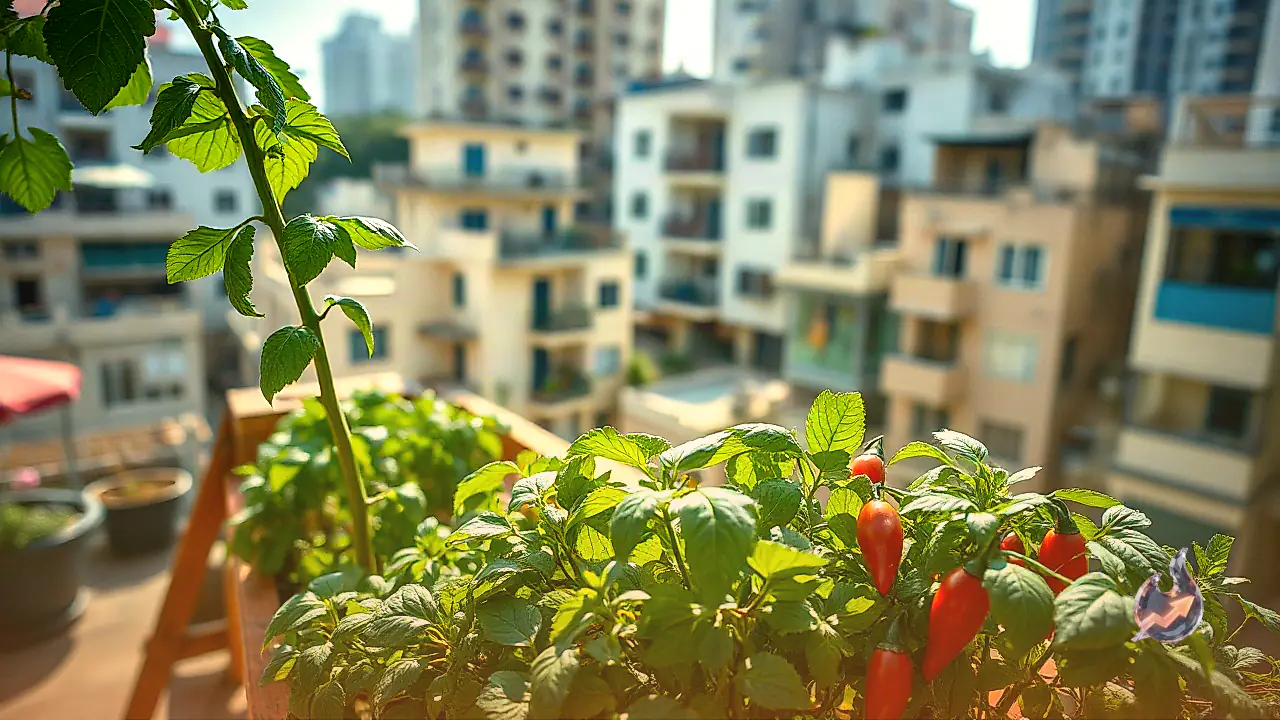

In modern urban apartments, a compact balcony is often the only accessible open-air space available to residents. However, limited square footage should never prevent anyone from experiencing the joy of home gardening. Even a tiny balcony corner can be transformed into a productive mini kitchen garden featuring herbs and vegetables used in daily cooking. Setting up this space does not require massive planters, heavy garden infrastructure, or hours of exhausting maintenance. With proper soil preparation, adequate sunlight, and timely watering, your balcony can provide a steady supply of organic produce. The satisfaction of cooking with home-grown coriander, chillies, or tomatoes far surpasses buying store-bought alternatives.
Starting Simple with Coriander and Fenugreek
For beginners taking their first steps into home gardening, coriander and fenugreek offer the most reliable starting point. Coriander does not demand deep soil containers; it thrives in wide, shallow pots or trays. Sowing coriander seeds in fertile soil with moderate exposure to sunlight and regular moisture will yield fresh green leaves within just a few weeks. Similarly, fenugreek is an ideal choice for novices due to its rapid germination rate. Fenugreek seeds sprout quickly and can grow comfortably even in compact shallow containers or small planting trays.
Quick Harvests with Fresh Spinach and Microgreens
If you prefer crops that deliver swift results without lengthy waiting periods, spinach and microgreens are excellent candidates. Growing spinach successfully requires well-draining soil to prevent root rot, alongside a balcony spot that receives sufficient daylight. Microgreens, on the other hand, require minimal space and can be cultivated in tiny recycled containers. They reach harvesting stage faster than almost any other crop. Harvesting these nutrient-dense young greens allows you to instantly elevate salads, sandwiches, and everyday home-cooked meals.
Growing Tomatoes and Green Chillies in Larger Containers
Fruiting plants such as tomatoes and green chillies are well suited for balcony gardens, though they require slightly different care compared to leafy greens. Tomato plants develop extensive root systems and therefore need larger, deeper pots to flourish. As the plant grows taller and heavier with fruit, it also requires vertical support from wooden stakes or garden cages. Given proper sunlight and nutrition, a single tomato plant can yield fresh produce over an extended season. Green chilli plants are equally rewarding for home growers. Provided your balcony gets a few hours of direct sunlight daily, a potted chilli plant will provide a continuous supply of fresh chillies once mature.
Why Mint Requires Its Own Dedicated Container
Mint is an indispensable kitchen herb widely used in chutneys, beverages, and savory dishes. It is exceptionally resilient and easy to care for, making it a popular addition to balcony gardens. However, growing mint comes with one essential rule: always plant it in an isolated container. Mint spreads aggressively through underground runners and surface creeping stems. If planted alongside other vegetables or herbs, mint will quickly overcrowd the container, taking over the soil space and depleting nutrients intended for neighboring plants.
Step-by-Step Approach to Building Your Urban Garden
Building a successful balcony kitchen garden is not about filling the space with dozens of pots all at once. The key to long-term success lies in understanding the environmental needs of each plant, including sun exposure, watering cycles, and soil quality. Start small with just two or three manageable containers. As you gain confidence and observe how different plants respond to your balcony microclimate, you can gradually expand your collection. This gradual approach keeps initial costs low, minimizes plant care stress, and ensures a rewarding gardening journey.