























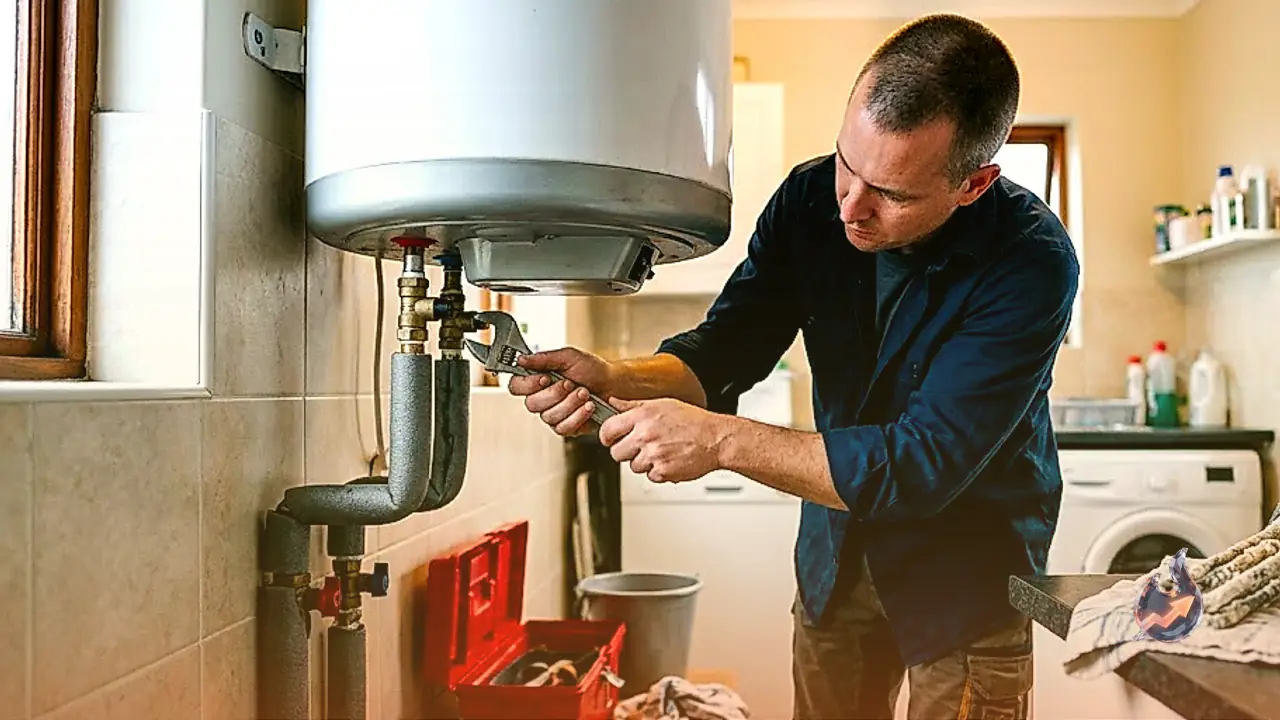

As winter arrives, the demand for hot water increases in households, making water heaters an essential part of daily routine. Turning on the appliance directly after months of disuse can often lead to unexpected performance issues and safety risks. Therefore, checking and cleaning the unit properly before regular use is a smart step. Continuous usage and standing water over long periods cause calcium and other mineral layers to accumulate inside the tank, which eventually hampers the overall efficiency of the appliance.
Why mineral and calcium layers accumulate inside
The constant heating process causes natural minerals present in the water to separate and stick to the inner surfaces and the heating element over time. In areas with hard water, this scaling process happens much faster, coating the internal components completely. When scale builds up, the heating element struggles to transfer heat effectively, leading to longer heating times and a noticeable spike in electricity consumption. Regular inspection and cleaning help prevent these efficiency drops and keep the appliance running smoothly.
Precautions while cleaning the heating rod
Cleaning the heating rod requires more than just turning off the wall switch to ensure absolute safety. You must cut off the power supply completely and shut down the relevant circuit breaker before attempting any maintenance. Never open the unit while the water inside is still hot, and always allow it to cool down completely. If you lack technical knowledge regarding electrical connections and internal plumbing, attempting DIY repairs can be hazardous, making it much safer to hire a professional technician.
Inspecting and maintaining inlet and outlet pipes
Over time, dirt and mineral deposits can also choke the water inlet and outlet pipes connected to the unit. If you notice a sudden drop in water flow, shut off the supply and examine all connections carefully. Pipes can be flushed with clean water, but if severe scaling or blockages occur, replacing them or calling a technician is the best course of action. Opening plumbing lines without adequate knowledge can easily result in leakage problems and water damage.
Determining the right servicing interval
The frequency of cleaning depends entirely on how often the appliance is used, the local water quality, and manufacturer recommendations. Homes supplied with hard water experience rapid scaling, making periodic servicing crucial for long-term durability. To maintain optimal performance and extend the lifespan of your water heater, always operate it within the temperature limits specified by the manufacturer and never ignore signs like unusual noises, leaks, or reduced water pressure.