



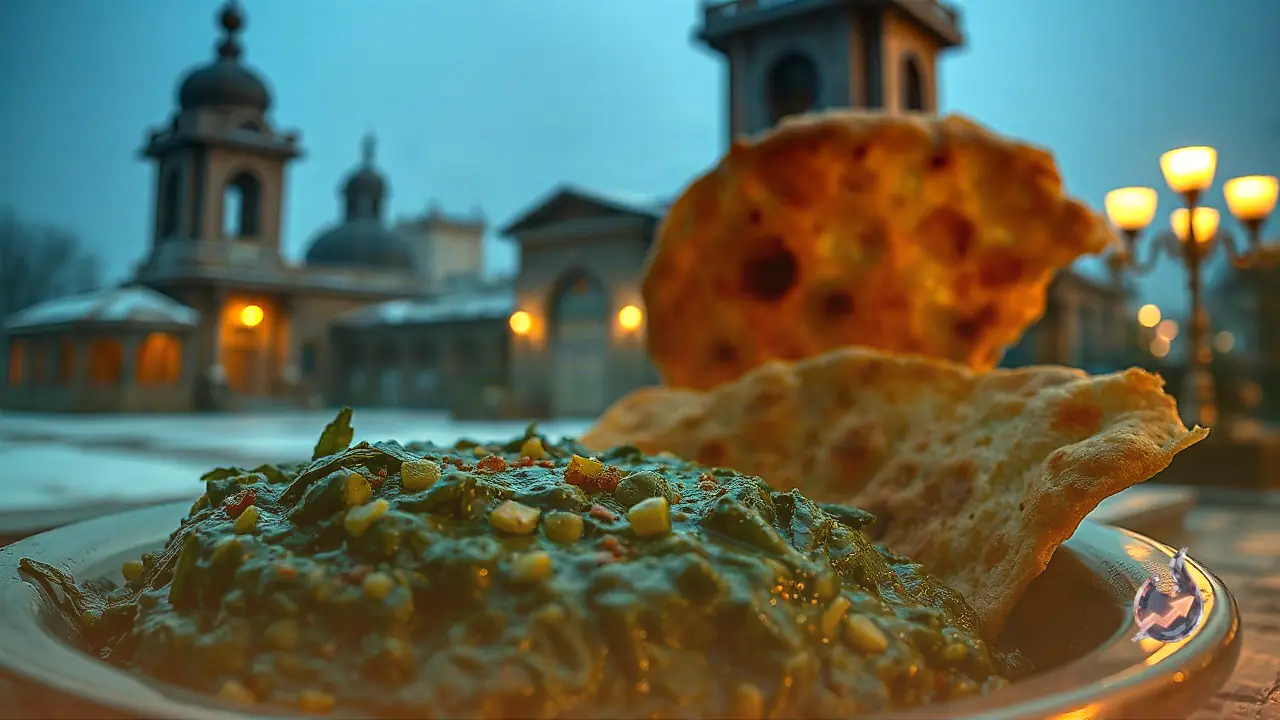

















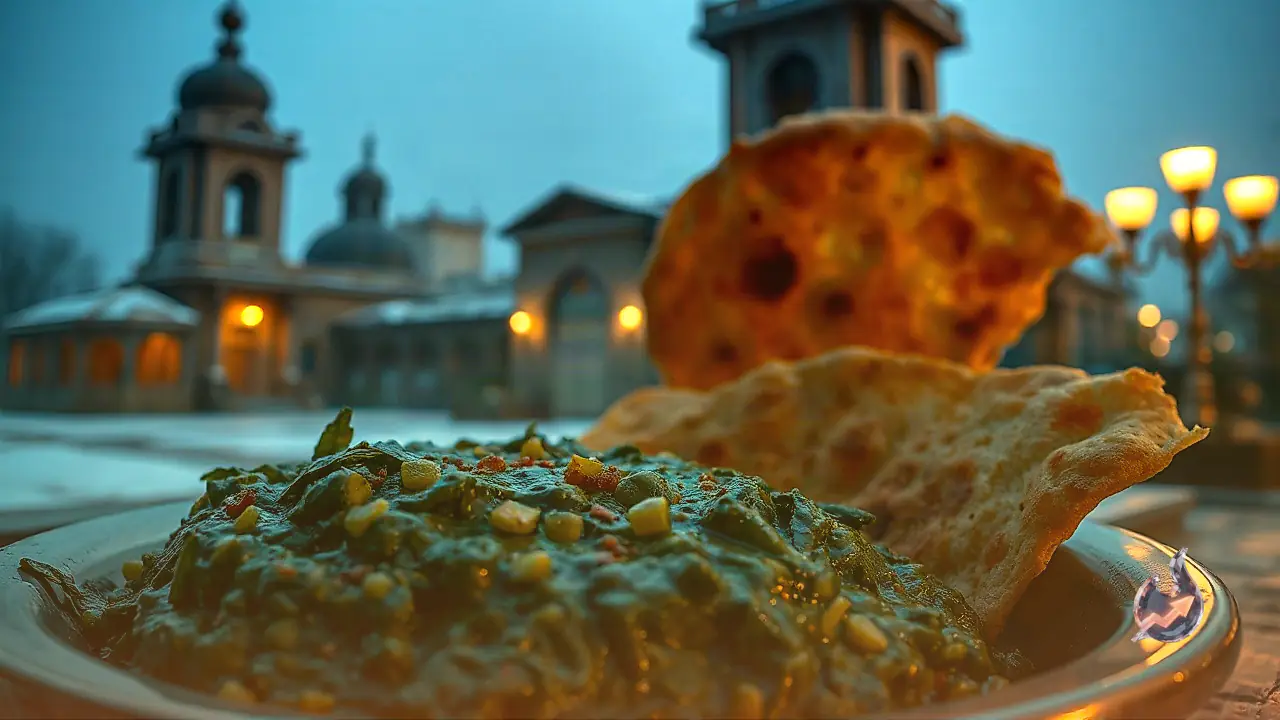

The chilly winter evenings instantly become warmer and more inviting when a steaming hot plate of Sarson ka Saag and Makki ki Roti is served on the dining table. However, households with children often wonder whether the younger members will happily embrace a dish known for its robust and sharp flavors. Because mustard greens carry a naturally strong taste, many children do not appreciate them on their very first encounter. A practical culinary adjustment involves blending spinach, bathua, and fenugreek leaves into the mustard base to create a wonderful balance in both texture and taste.
A dollop of melting butter on top paired with a freshly baked corn flatbread transforms this meal into an authentic rural feast that appeals to adults and children alike. When cooked using the right techniques, this wholesome combination can turn an ordinary family lunch or dinner into a memorable meal.
Selecting and Preparing the Right Greens
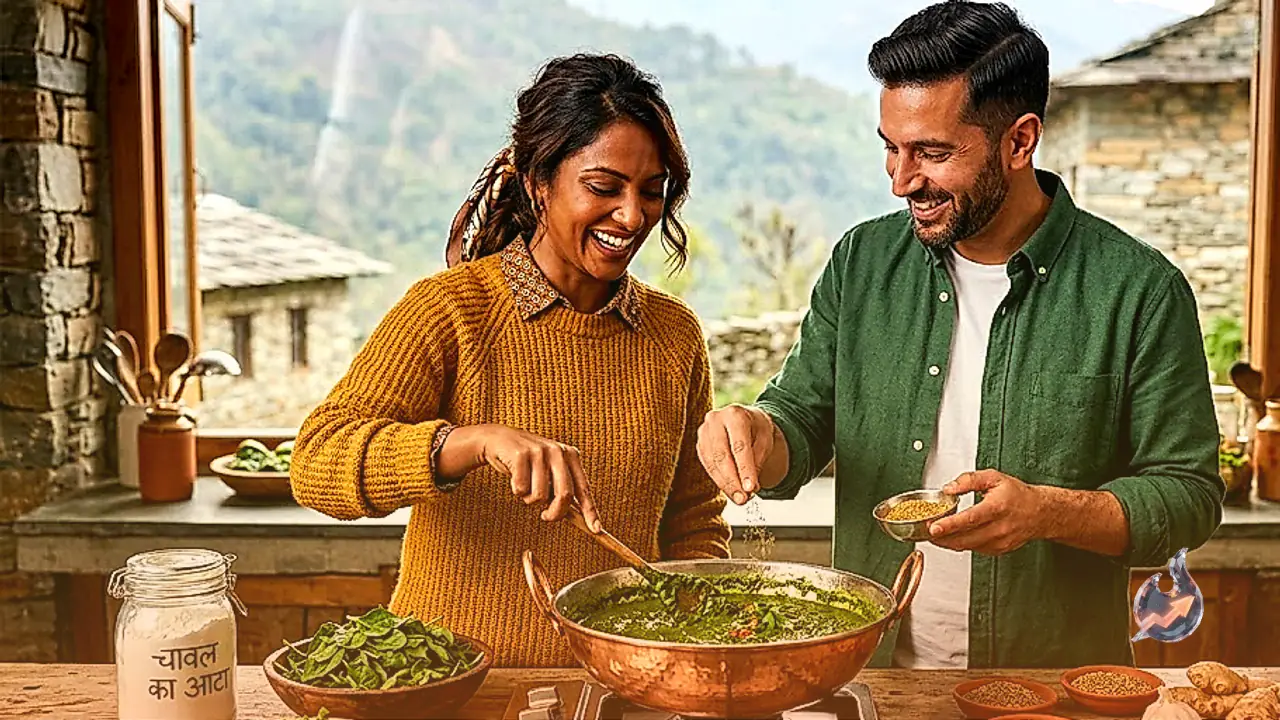
Crafting a flavorful saag begins with gathering fresh mustard leaves, spinach, bathua, and fenugreek leaves. All these greens must be thoroughly rinsed in clean water to wash away trapped soil and impurities. Once cleaned, remove the thick stems and chop the leafy portions finely. While the dish can be prepared using mustard greens alone, adding spinach and bathua helps impart a softer and smoother texture to the final preparation. Fenugreek contributes a characteristic aroma and subtle bitterness that rounds out the flavor profile. When cooking specifically for kids, reducing the proportion of mustard while increasing the spinach helps tone down any overwhelming sharpness.
Boiling and Mashing the Greens
Transfer the chopped greens into a pressure cooker, add a splash of water and a pinch of salt, and secure the lid. Cook over medium heat for two to three whistles before turning off the heat and allowing the pressure to release naturally. Once the greens turn adequately tender, use a traditional wooden churner or potato masher to mash them lightly. There is no need to grind the mixture into a completely smooth paste; retaining a slightly rustic texture makes the saag feel more authentic and appetizing.
Tempering and Blending the Spices
Heat pure ghee in a separate pan and temper it with cumin seeds, dry red chilies, finely chopped green chilies, minced ginger-garlic, and a pinch of asafoetida. Once the aromatics release their fragrance, toss in finely diced onions and tomatoes, sautéing them until thoroughly cooked. Introduce Kashmiri red chili powder, turmeric, and a dash of coriander powder to the mix. After the masala is well-fried and the ghee begins to separate from the edges, fold in the cooked greens. Allow the entire mixture to simmer on low heat for ten to twelve minutes. To achieve a thicker consistency, sprinkle in some corn flour gradually to prevent lumps from forming. Letting it simmer gently allows all the spices to meld harmoniously before finishing with a generous pat of butter.
Modifications for Children
If children shy away from the intense taste of mustard, increasing the proportion of spinach and bathua serves as an effective adjustment. Keep the green chilies to a minimum and serve the dish generously topped with butter. Accompanying the meal with soft corn flatbreads and a bowl of fresh yogurt makes the plate visually appealing and palatable for kids.
Easy Method for Making Corn Flatbreads
Handling corn flour often proves challenging because unlike wheat flour, it lacks natural gluten elasticity. Take a bowl of corn meal along with a little salt, and knead it gradually using lukewarm water to achieve a pliable dough. Form small portions of the dough into balls and place them between two sheets of butter paper. Flatten them gently using your palms or roll them carefully with a rolling pin into round shapes. Transfer the shaped flatbread onto a hot griddle and cook it evenly on both sides. Using a traditional clay griddle enhances the rustic aroma, and the bread can also be finished directly over an open flame if desired.