






















The mere mention of golgappa or pani puri instantly triggers cravings for its iconic spicy, tangy bite. While street vendors serve an undeniably irresistible crunch, preparing fresh and hygienic puris in a home kitchen delivers unmatched satisfaction. However, home cooks frequently struggle with achieving that signature hollow balloon shape. Far too often, puris turn soggy, collapse, or fail to puff up entirely when dropped into the oil. The root cause of this culinary misstep usually traces back to the choice of base flour and how properly the dough is rested and kneaded.
Crispy pani puris can be successfully crafted using whole wheat flour, all-purpose flour (maida), or semolina (suji). Each of these three core ingredients yields a slightly distinct texture, crispiness, and flavor profile. Understanding the exact kneading ratios, rolling mechanics, and frying temperatures for each variety ensures bakery-quality results right on your home stove.
Wholesome Wheat Flour Puris with Traditional Taste
Puris made from whole wheat flour provide an earthy, wholesome flavor reminiscent of traditional village recipes. The ingredient list remains straightforward: whole wheat flour, a pinch of table salt, and adequate water. If desired, you may incorporate a single pinch of baking soda, though it is not strictly mandatory for achieving good rise.
To assemble the dough, combine the wheat flour and salt inside a wide mixing bowl. Slowly trickle in small increments of water while bringing the flour together into a very stiff dough. Avoid pouring excess water at once, because soft dough is completely unsuitable for pani puris and will result in flat, pliable flatbreads rather than crunchy shells. Knead the dough vigorously with your knuckles until smooth, then cover it with a damp cloth or lid for approximately 15 to 20 minutes to rest.
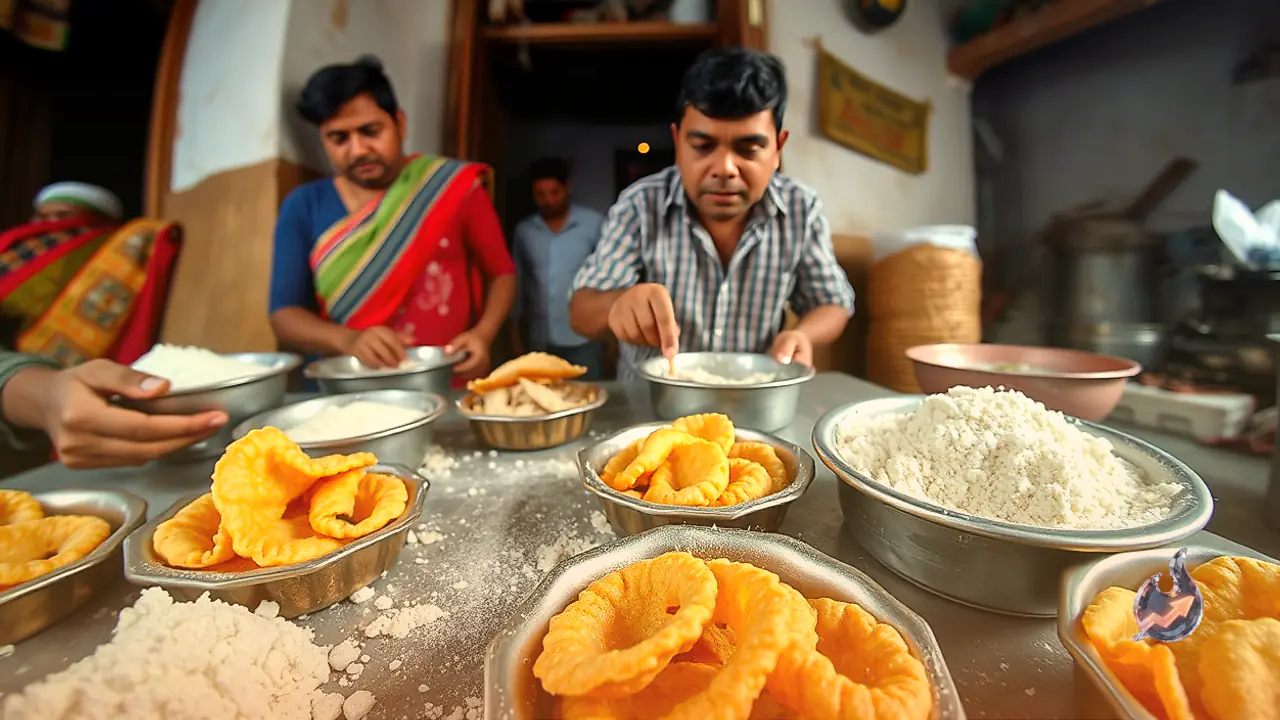
Once rested, portion the dough into miniature dough balls and roll them out thin. Ensure that the thickness remains uniform throughout without leaving chunky borders. Heat cooking oil thoroughly in a deep frying pan. Drop the rolled disc into the hot oil and press it down gently with a slotted ladle. Under optimal oil heat, the puri expands into a round hollow sphere. Continue frying until both surfaces attain a crisp, golden-brown hue before removing it to drain.
Delicate and Crisp Puris Made with All-Purpose Flour
All-purpose flour, or maida, produces puris that are extraordinarily light, delicate, and shatteringly brittle. For this version, season the maida with a tiny measure of salt and gradually introduce water to work up a tight, unyielding dough. Thorough kneading is paramount here to build proper elasticity and eliminate dry pockets, guaranteeing a uniform texture.
Let the prepared maida dough rest under a cover for a brief period so the gluten relaxes. Following the resting stage, pinch off tiny balls to roll paper-thin rounds. Alternatively, you can roll out one expansive sheet of dough and stamp out uniform circles using a small circular cookie cutter or jar lid. This cutting approach guarantees that every single puri shares an identical diameter and weight.
Ensure the cooking oil is sufficiently hot before sliding in the dough circles. Nudging the submerged circle lightly with a ladle helps trap steam inside, forcing the puri to inflate immediately. As soon as the shell turns pale golden, pull it from the fat. If the frying medium lacks heat, the dough absorbs heavy oil; conversely, excessively high oil temperatures scorch the delicate exterior before the structure cooks firm.
Semolina Puris: The Ultimate Crunch
Semolina or suji puris are renowned for possessing the sturdiest and longest-lasting crunch. Selecting fine-grained suji is ideal for this application, blended with a modest proportion of maida to deliver necessary cohesion alongside salt.
In a mixing dish, blend the fine semolina, all-purpose flour, and salt. Sprinkle water gradually while working it into a solid, firm mass. Because semolina steadily drinks up moisture, resting the dough for 15 to 20 minutes is an indispensable phase. After resting, re-knead the hydrated dough thoroughly until pliable and cohesive.
Roll the dough out thin and cut neat round circles. Lower them into shimmering hot oil, gently skimming and pressing them down as they fry. The moment the shell inflates into a globe, flip it over so the reverse side crisps evenly. Once both sides turn crisp and golden, transfer them onto a perforated tray or colander to allow steam and residue oil to escape freely.
Essential Guidelines for Unfailing Crunch and Puff
Mastering hollow, crisp pani puris depends entirely on technical control rather than mere ingredient mixing. The dough consistency must strike a precise balance: neither overly soft nor excessively brittle to roll. Even thickness is equally vital; uneven discs with thin centers and thick rims will produce irregular bubbling rather than a complete dome.
Furthermore, never permit rolled raw discs to linger uncovered in open air for lengthy durations, as dry skin prevents proper expansion. Finally, keep vigilant control over frying temperatures. Drop an initial test puri into the pan to gauge thermal conditions accurately, adjusting the flame higher if the dough lingers at the bottom, or lowering heat if it browns instantly.