



















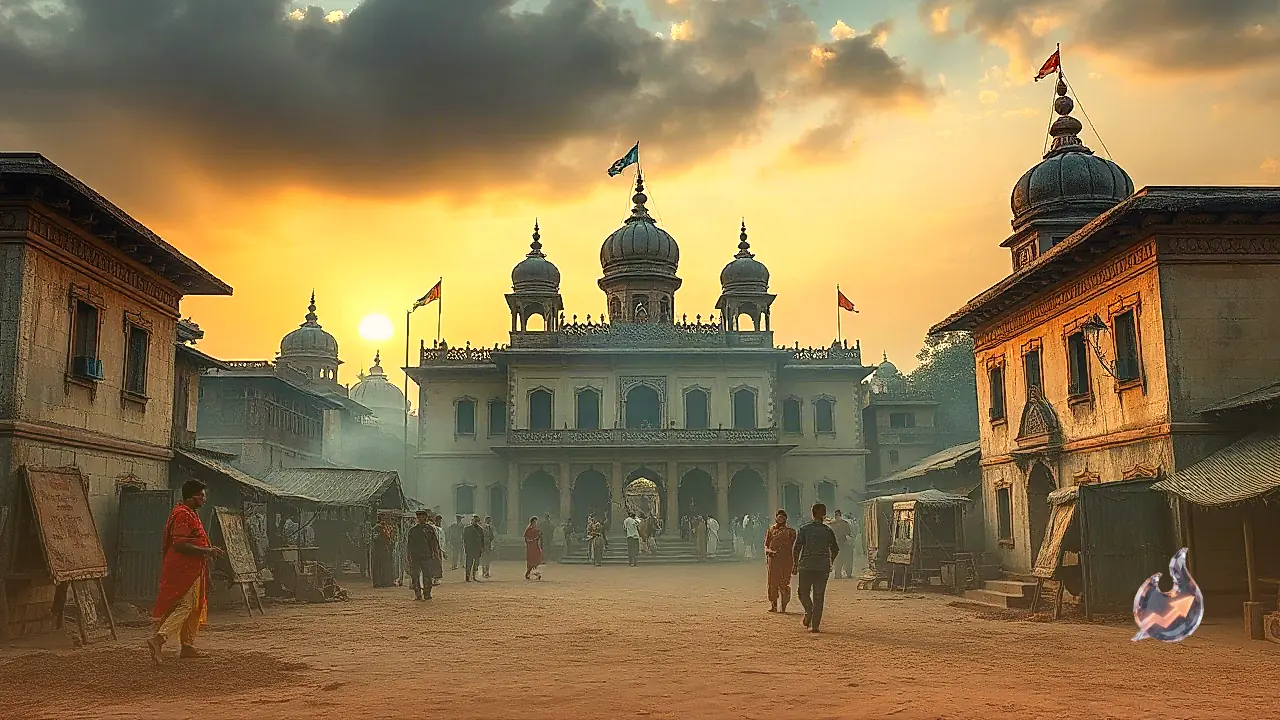

When the fast beat of the dholak and the metallic clash of manjira break the late-night silence in the Bundelkhand region of Uttar Pradesh and Madhya Pradesh, the entire atmosphere undergoes an instant transformation. As the singer raises a thunderous voice to narrate the legendary bravery of Alha and Udal, listeners feel as though an ancient battlefield from centuries ago has come alive right before their eyes. Describing Alha Gayan merely as a folk song would be a disservice to its rich history. In reality, it is a living document of Bundelkhand's collective memory, unyielding heroism, and history recorded in the regional folk dialect, breathing directly among the people rather than remaining bound within the pages of written books.
12th Century Historical Roots and Connection to Mahoba's Chandel Dynasty
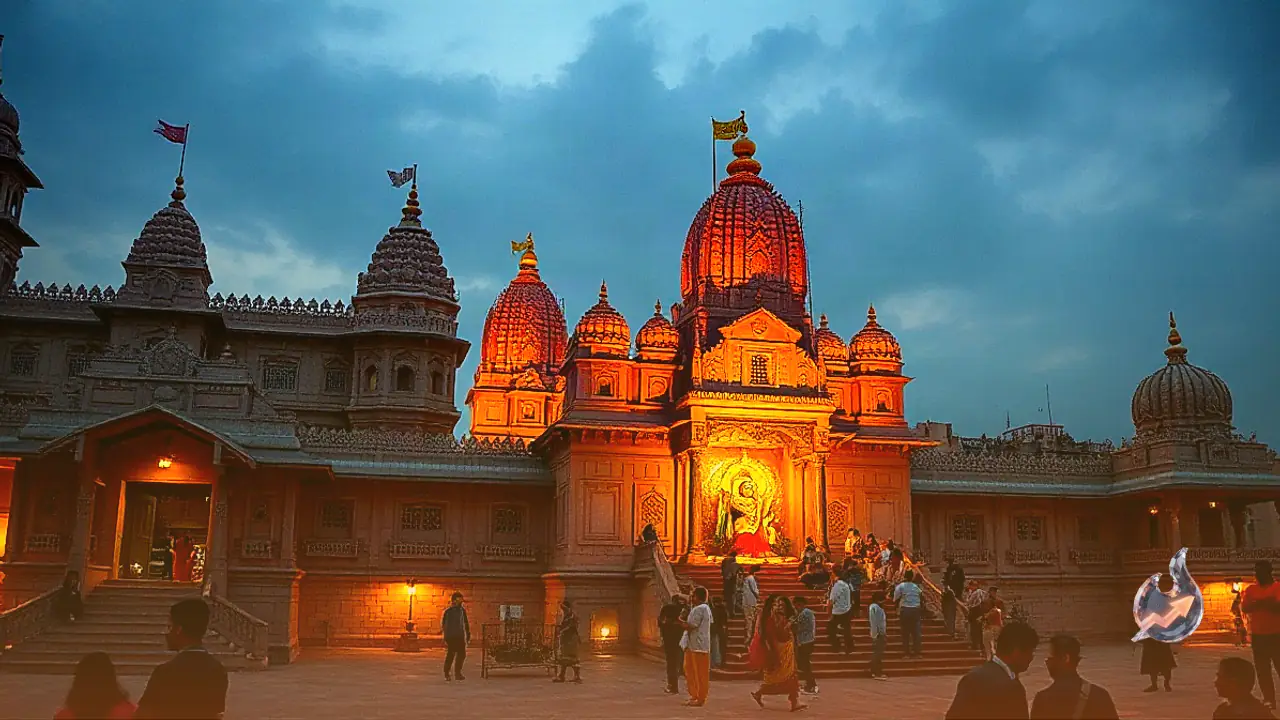
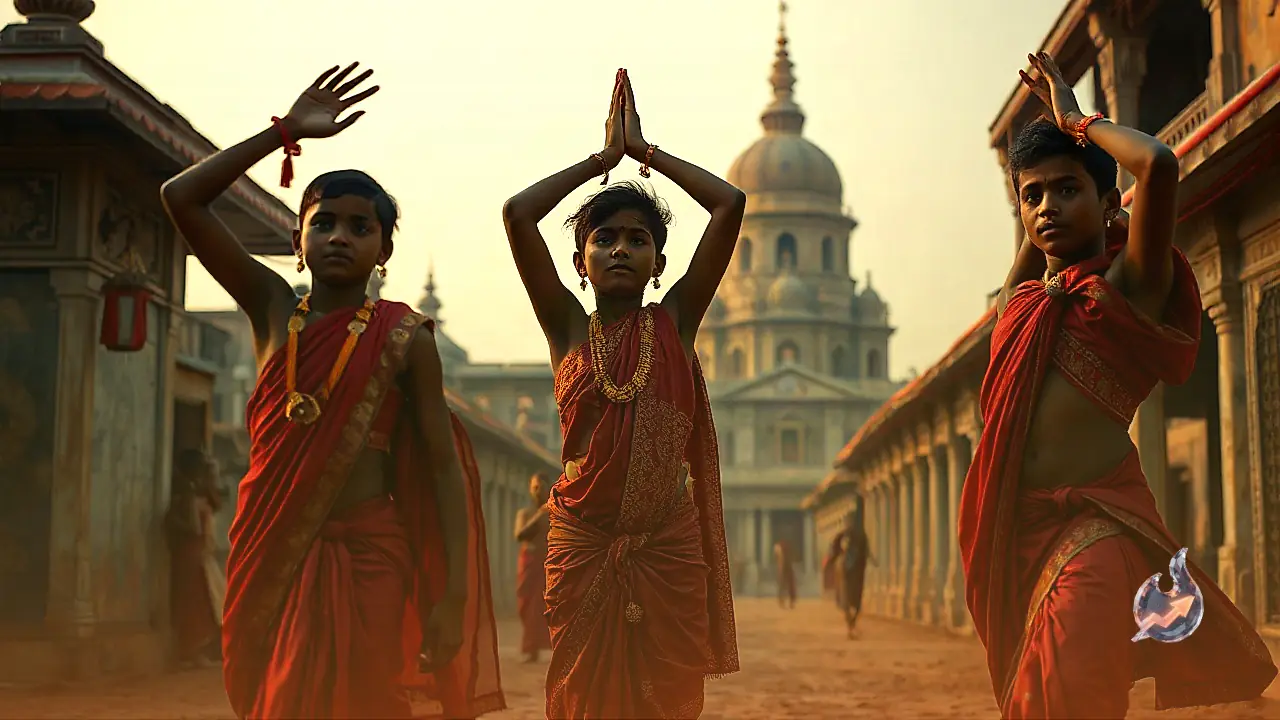
The core narrative of Alha Gayan revolves around the legendary exploits, unyielding courage, and struggles of two warrior brothers, Alha and Udal. Historical traditions trace their lineage back to the 12th century, linking them to the reign of King Parmal of the Chandel dynasty in Mahoba. Oral traditions recount numerous tales of their formidable combat skills, unwavering loyalty, and fierce defense of their homeland. The true strength of these sagas lies in the way they are sung in Bundeli and neighboring local dialects. The story is not merely narrated; it is experienced through dynamic vocal modulations, rhythmic shifts, and powerful emphasis on key words.
Poet Jagnik and the Immortal Oral Lore of 'Alha Khand'
This epic tradition of martial balladeering is closely associated with the medieval poet Jagnik. It is widely believed that Jagnik composed a comprehensive heroic chronicle centered on the valor of Alha and Udal, which came to be known in folk tradition as 'Alha Khand'. Although scholars and historians hold differing opinions regarding the original written text and exact historical details, this divergence adds to the charm of the folklore. For centuries, a major portion of this chronicle survived and traveled across generations through the vocal memory of folk performers rather than formal manuscripts.
From Battlefield Martial Calls to Village Chaupals
The origins of Alha singing were deeply rooted in battlefields and military encampments. In ancient times, these high-energy heroic recitations served to instill courage, vigor, and confidence among soldiers and common folk alike. However, as times changed and armed conflicts receded into history, the stage for Alha shifted from military camps to village chaupals, local fairs, religious gatherings, and community events. Today, when an Alha singer projects a verse with full strength, the performance goes beyond reciting an ancient story, serving to reignite local history, family memories, and regional cultural identity.
Commanding Vocal Power and Traditional Instrumentation
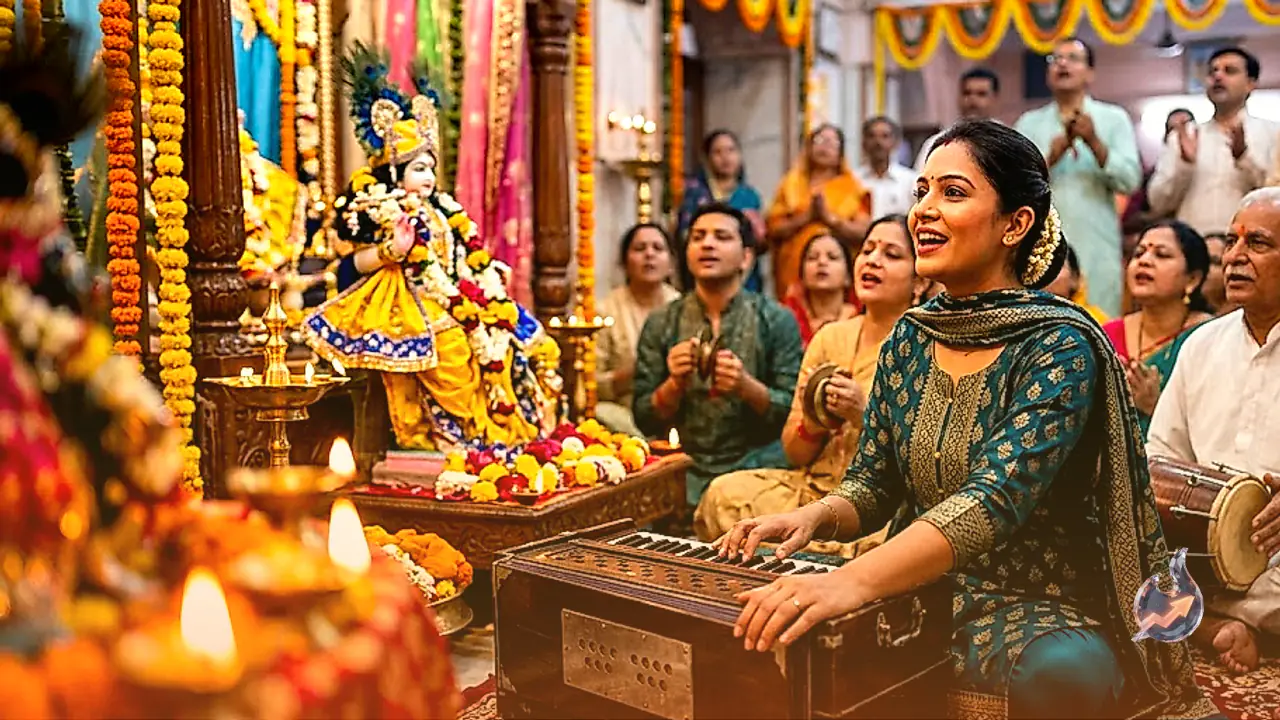
The performance style of Alha Gayan sets it completely apart from other regional folk music genres. Rather than singing in soft or melodious tones, the artist projects the narrative in a powerful, high-pitched, and commanding voice. Traditional instruments such as the dholak, manjira, and chimta provide an energetic rhythmic foundation. Intriguingly, the singer's vocal delivery becomes an integral part of the storytelling. During battlefield descriptions, the vocal tempo quickens sharply; during moments of challenge, the words carry heavy weight; and during emotional scenes, the voice drops into a solemn, low tone.
The Impact of Vir Ras and Nostalgic Cultural Memories
The central emotion of Alha Gayan is Vir Ras, or the heroic sentiment, which evokes strong emotions among listeners. The thrill stems not only from the words but also from the accelerating dholak rhythm and dramatic vocal transitions, making the audience feel immersed in that historic era. For many residents of Bundelkhand, listening to Alha is deeply intertwined with childhood memories, whether heard at village fairs, evening chaupals with elders, or night gatherings during the monsoon season. This deep emotional connection explains why Alha retains its hold despite the dominance of modern entertainment.
Modern Challenges and Preservation Efforts in the Digital Age
In contemporary times, the 800-year-old tradition of Alha Gayan faces notable challenges. As younger generations increasingly turn toward smartphones and digital media platforms, traditional folk performers find fewer physical stages and organized events. Despite reduced opportunities, dedicated folk artists across the Bundelkhand region continue to preserve this priceless heritage, carrying the voice of Alha-Udal into the modern era.