


















While celebrations across northern parts of the country center predominantly around nine consecutive days of fasting, energetic Garba and Dandiya dances, Ramlila staging, and the symbolic burning of Ravana effigies on the tenth day, southern India observes the festival through a completely distinct cultural lens. Across Karnataka, Tamil Nadu, Andhra Pradesh, and Kerala, this auspicious window transforms into an expansive gathering dedicated to divine feminine energy, fine craftsmanship, communal harmony, and the celebration of learning. The entire southern peninsula adopts a distinctive festive rhythm shaped by classical arts and centuries-old customs.
The Royal Heritage of the Vijayanagara Empire and Mysuru Nada Habba
In Mysuru, the cultural heart of Karnataka, the festival takes the form of an official state celebration known as Nada Habba. Steeped in the royal legacy of the Vijayanagara Empire, this historic observance turns the entire city of Mysuru into an illuminated wonderland throughout the nine festive nights.
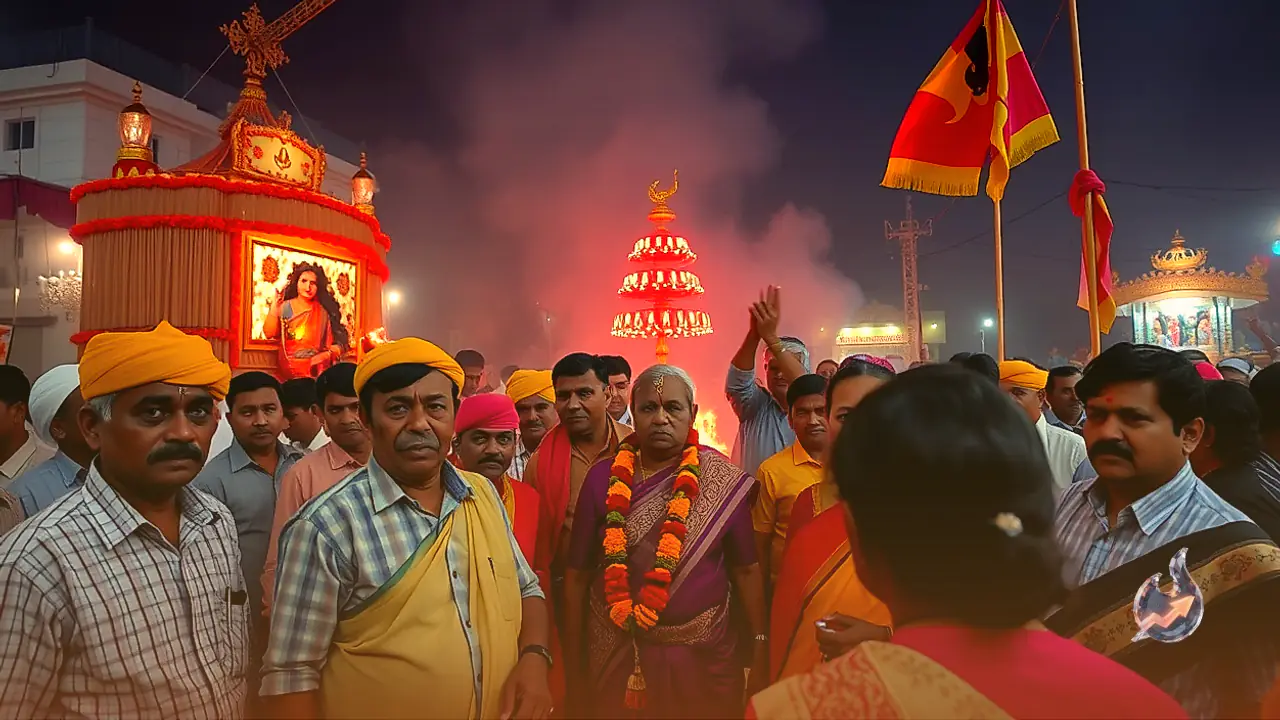
The pinnacle of the festivities arrives on the day of Vijayadashami, when an awe-inspiring traditional procession weaves through the city avenues. At the center of the parade is the golden idol of Goddess Chamundeshwari, positioned inside an ornate golden howdah mounted upon the back of a magnificently decorated lead elephant. This grand march sets out from the grounds of the historic Mysuru Palace and concludes at the Bannimantap grounds. Mysuru Palace itself is illuminated with millions of radiant light bulbs, drawing vast crowds of visitors from across the country and overseas. Alongside the main royal procession, the city hosts classical music recitals, traditional dance showcases, and extensive cultural fairs that enliven the historic celebration.
Tiered Figurine Exhibits and the Social Bond of Bommai Kolu
Within homes across Tamil Nadu, Karnataka, and Andhra Pradesh, the central domestic attraction during Navratri is the display known as Golu or Bommai Kolu. This practice functions as a creative exhibit while also serving as a beloved catalyst for community bonding among neighbours and relatives.
Families build stepped platforms in their living areas using wooden planks or steel frames, arranged strictly in odd tiers such as 3, 5, 7, 9, or higher. These ascending steps are carefully populated with handcrafted figurines sculpted from terracotta, fired clay, and wood. The display features divine deities, iconic episodes from epic scriptures including the Ramayana and Mahabharata, revered saints, and charming miniature dioramas portraying scenes of routine village and domestic life.
As evening falls, women and young children dress in traditional garments to visit friends and neighbours to admire their domestic displays. These gatherings are accompanied by the singing of devotional hymns and traditional compositions. Hosts offer prasad to their guests and present women with auspicious gifts known as thamboolam, cementing warmth and interpersonal ties across the neighbourhood.
Ayudha Puja and Saraswati Veneration: Honoring Labor and Learning
The closing triad of days in the southern festival calendar is marked by deep reverence for knowledge, intellectual pursuit, and the physical tools of sustenance.
On Maha Ashtami and Mahanavami, domestic spaces, retail shops, craft centers, and offices observe Ayudha Puja. Musical instruments, printed books, computers, craft tools, and daily vehicles such as cars and motorcycles are thoroughly washed, maintained, and ceremonially worshipped.
This custom embodies a profound philosophy of gratitude toward every instrument, implement, and vehicle that facilitates human labor and sustains everyday livelihoods. Simultaneously, Goddess Saraswati is invoked to bless families, students, and practitioners with wisdom and creative insight.
Vidyarambham in Kerala: Welcoming Young Children into Formal Literacy
In Kerala, the conclusion of Navratri on Vijayadashami culminates in an auspicious initiation rite known as Vidyarambham. On this occasion, toddlers typically aged 2 to 3 years take their inaugural step into the realm of formal education and letters.
Gathered inside temple compounds or under the gentle guidance of learned scholars, the young child uses their index finger to trace the sacred invocation 'Om Hari Sri Ganapathaye Namah' into a shallow platter filled with raw rice grains or clean sand. This foundational exercise marks the auspicious beginning of their lifelong path of reading and writing. Celebrated in this manner, the southern observance of Navratri remains far more than a set of ritualistic prayers, standing as an enduring mosaic of ancestral heritage, creative arts, mutual affection, and shared thankfulness.