























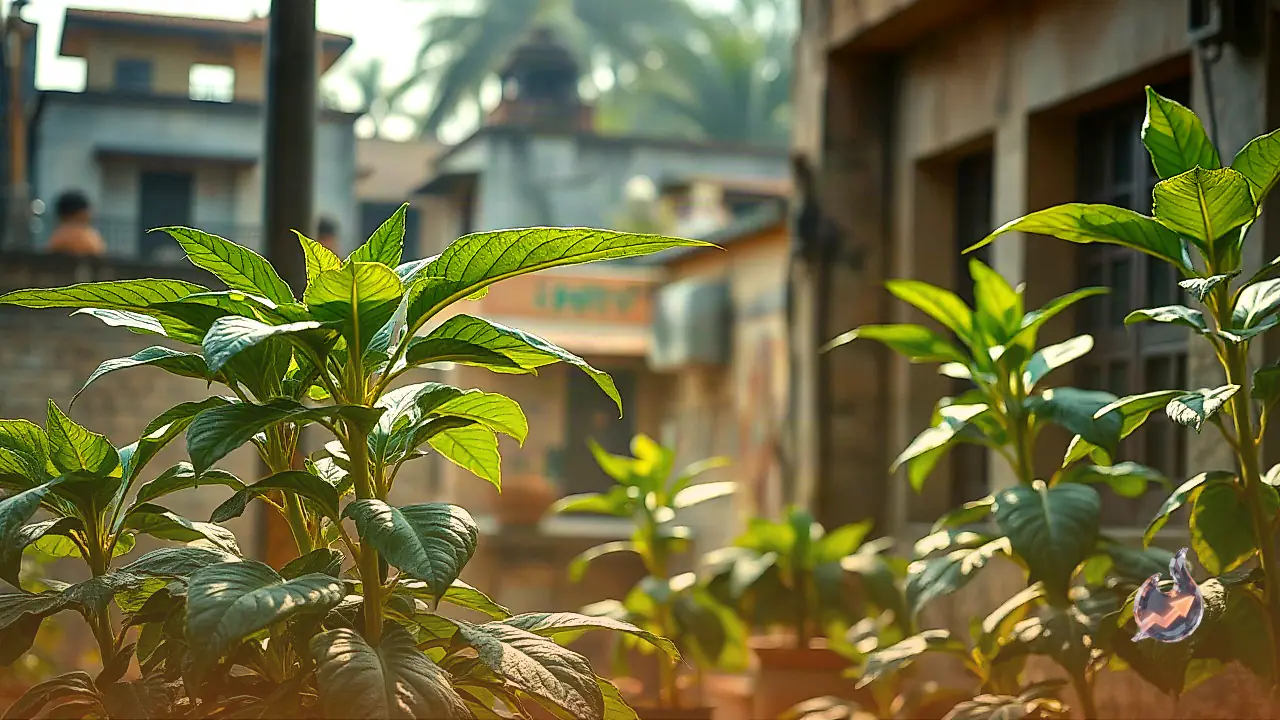

A fresh and flourishing curry leaf plant grown on a kitchen windowsill or balcony garden provides immediate access to aromatic leaves whenever everyday cooking requires them. However, home gardeners frequently observe that despite their continuous care, the plant suddenly stops developing fresh shoots and its overall growth comes to an abrupt halt. Leaves often begin to turn pale yellow, and branches dry out until the entire foliage appears weak and lifeless. In a common panic response, plant owners typically pour in excess water and heavy doses of chemical fertilizer, an error that frequently inflicts further damage on already stressed roots.
Gardening expert Tarun Chopra notes that turning a sluggish curry leaf plant into a dense, bushy green specimen demands much more than pouring fertilizers into the pot. A resilient plant relies on an equilibrium involving appropriate sunlight exposure, moisture management, porous soil, and periodic trimming. Anyone dealing with a fragile or drying curry leaf shrub can reverse the decline by understanding and adjusting a few fundamental maintenance practices.
Managing Light and Ambient Temperature
Curry leaf plants flourish best within a specific climatic environment. Sustained growth generally requires temperatures ranging between 15 and 35 degrees Celsius. When severe winter cold sets in, the plant naturally enters a slower physiological phase. Conversely, scorching summer heat and unfiltered midday sunshine can quickly scorch delicate leaves and drain moisture reserves.
The ideal location for the pot is a spot that receives around 2 to 3 hours of gentle sunlight during the morning or late evening. Shielding the plant from the harsh glare of peak afternoon sun, particularly throughout intense summer spells, prevents foliage burn and stops leaves from drying out prematurely.
Preventing Root Decay from Standing Water
While curry leaf foliage thrives in a moderately moist atmosphere, allowing the soil to remain continuously soggy is detrimental. Waterlogging inside the pot deprives the root system of oxygen, encouraging rot and stalling leaf production entirely. Gardeners should make it a routine habit to touch the top layer of soil before reaching for the watering can, adding moisture only when the surface feels genuinely dry.
Preparing a potting mix supplemented with coco peat and vermicompost helps retain just the right degree of moisture while promoting smooth drainage. Furthermore, ensuring that the base of the planter contains adequate drainage holes is essential so excess water drains out freely. Extra vigilance is required during the monsoon season when rainwater can rapidly accumulate inside the container.
Encouraging Bushy Foliage Through Pinching
If a curry leaf plant continues to shoot upward in a single tall stalk without developing side foliage, periodic trimming becomes necessary. Snapping or trimming off the active apical tip encourages the plant to activate dormant nodes and generate multiple lateral branches. Instead of growing into a sparse, spindly stem, the plant branches outward to establish a dense, compact form. This should always be executed through gradual, gentle pinching rather than severe, drastic pruning all at once.
Establishing a Sensible Fertilization Calendar
Adequate nutrient feeding maintains plant vigor, yet excessive fertilization can easily scorch roots and soil biology. Chopra explains that feeding schedules should ideally span from post-February until November, with balanced applications spaced roughly two months apart. Between November and February, cooler weather reduces the plant's metabolic appetite, making frequent feeding largely unnecessary.
Gardeners should gauge soil condition and prevailing climate conditions before deciding on fertilizer quantity. Whenever soil moisture imbalances create conditions for fungal spread, incorporating anti-fungal powder into the soil mix serves as a protective safeguard.
Inspecting for Pests with Non-Toxic Remedies
A sudden yellowing or drop of leaves is not always tied exclusively to sunlight or hydration missteps. Microscopic pests frequently invade tender greenery, retarding growth and draining essential saps. Regularly checking the undersides of leaves and the newest branch tips helps catch infestations early.
Because curry leaves are consumed directly in household food preparations, spraying dangerous synthetic chemical pesticides should be strictly avoided. Diluting neem oil in plain water at an appropriate ratio provides a reliable, non-toxic household spray that keeps destructive insects at bay without contaminating edible leaves.