





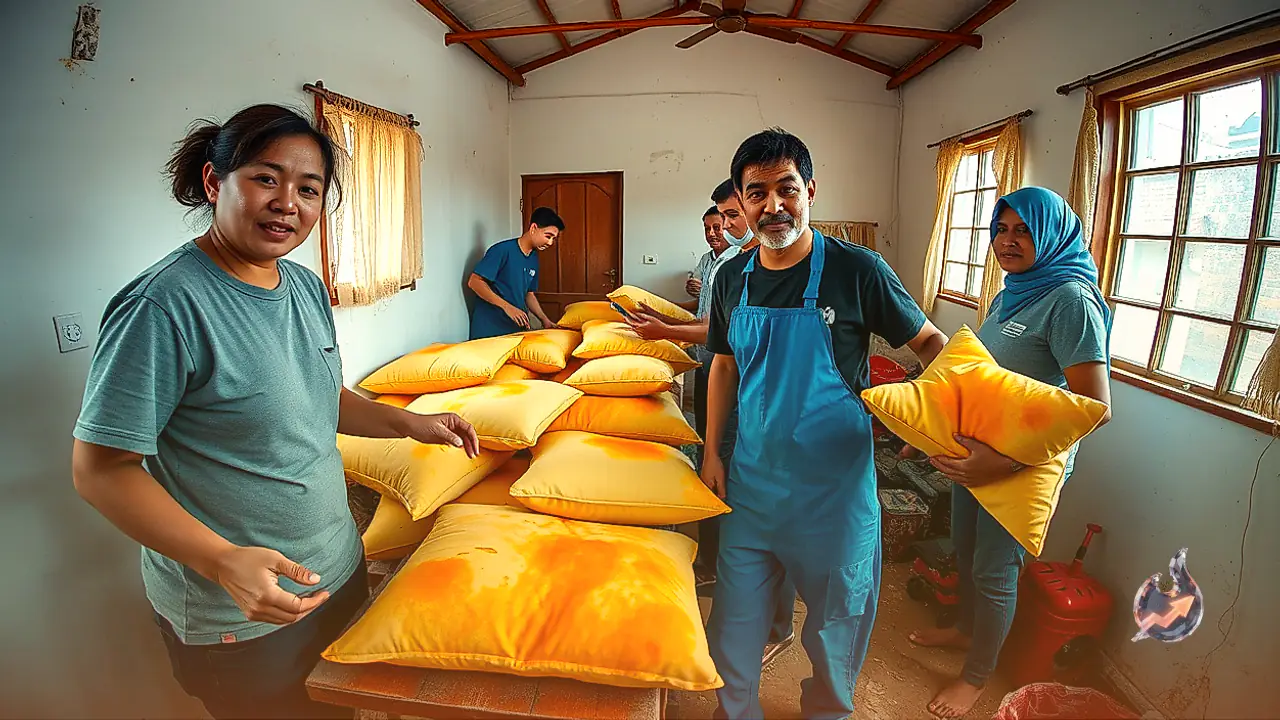














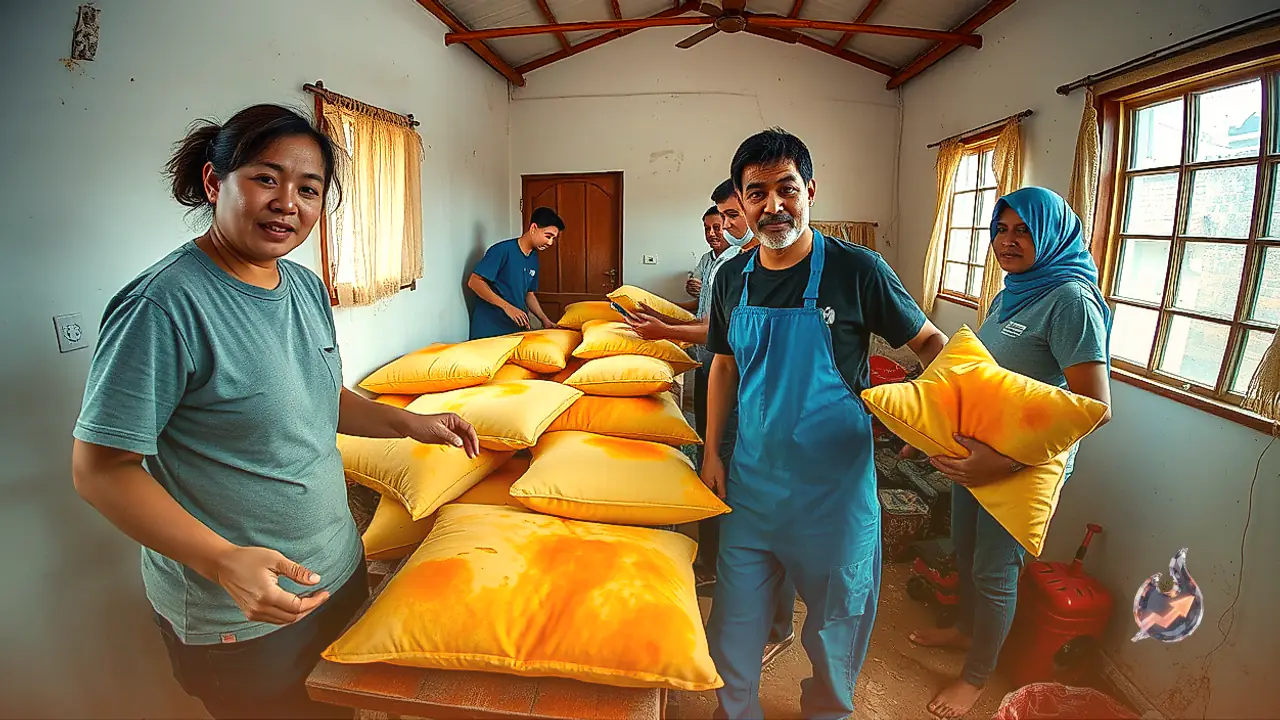

Over time, white pillows inevitably develop unsightly yellow marks and dull patches. Nightly accumulation of perspiration, natural scalp and body oils, saliva, and daily dust particles gradually seep past the outer fabric, creating deep discoloration. Simply tossing the pillowcase into the laundry rarely resolves the problem, as trapped stale odors and embedded grime linger deep within the inner material. Rather than rushing to discard stained pillows, you can thoroughly clean and rejuvenate them at home using targeted techniques. However, applying a single cleaning routine across all types of pillows can permanently damage the filling.
Identify the Pillow Material Before Cleaning
Checking the care instructions on the manufacturer label is the essential first step before attempting any wash routine. Pillows packed with synthetic fiber or polyester can generally withstand standard washing machine cycles without losing integrity. Certain feather and down fillings can also tolerate gentle machine washing when handled with proper care. In sharp contrast, memory foam and latex pillows should never be placed inside a washing machine, as the violent spinning and heavy water saturation destroy their specialized foam structure. For memory foam and latex items, spot cleaning only the affected surface marks remains the safest and most effective solution. When a pillow lacks a legible care label, always treat it as delicate and use the gentlest manual cleaning method possible.
Tackle Stains Using Baking Soda and Lemon Juice
A simple combination of household kitchen ingredients works remarkably well against light yellowing and persistent smells. Measure roughly half a cup of baking soda and blend it with several tablespoons of fresh lemon juice along with a small amount of water to create a spreadable paste. Using a soft cloth, apply this mixture directly over the discolored areas. Allow the paste to settle on the fabric for about 30 minutes so that the active mixture can loosen the oil deposits. Next, gently wipe the residue away using a clean damp cloth. Ensuring the pillow dries completely afterward is critical, since any trapped internal dampness will eventually produce a stale, musty smell. It is always wise to test this baking soda and lemon paste on a small, hidden corner of the fabric before treating larger areas.
Proper Steps for Machine Washable Pillows
When the care label confirms that machine laundering is safe, always wash two pillows simultaneously. Placing two pillows in the drum keeps the washing machine properly balanced during rapid spin cycles and prevents uneven strain on the appliance. Wash using standard laundry detergent and select warm water only if the fabric instructions permit it. Run an extra rinse cycle once the initial wash completes to ensure that every trace of soap and detergent residue is rinsed thoroughly from the inner fibers. Complete drying remains the most vital phase of the process. If using a tumble dryer, maintain a low heat setting and pause the machine periodically to take the pillows out and verify that the core is completely dry.
Avoid Dangerous Chemical Mixes and Utilize Sunlight
Great caution must be exercised when handling different household cleaning products. Never mix vinegar, bleach, or other chemical cleaners together without carefully reading their official usage directions. In particular, combining bleach directly with vinegar is hazardous and must never be attempted under any circumstances. Once washing is complete, lay the pillows out in a clean, dry, sunlit space for several hours. Direct sunlight and natural airflow quickly evaporate leftover moisture and eliminate residual dampness. Turn the pillows over every couple of hours so that both sides receive equal exposure to light and air. Keep in mind that brightly colored pillow covers should not be exposed to harsh direct sun for extended periods, as intense solar exposure can fade fabric dyes.
Preventive Habits to Stop Future Yellowing
Preventing premature yellowing and heavy stain buildup is significantly easier when you use a high quality pillow protector beneath your regular pillowcase. This protective barrier blocks bodily oils, sweat droplets, and surface dirt before they reach the core filling. Wash regular pillow covers frequently and sanitize the outer protector on a steady schedule. Giving pillows occasional outdoor airings keeps the internal stuffing light and fresh. Finally, if a pillow has become overly aged, remains perpetually foul-smelling, or suffers from damaged and clumping filling, replacing it with a new one is far better than relying solely on surface cleaning.