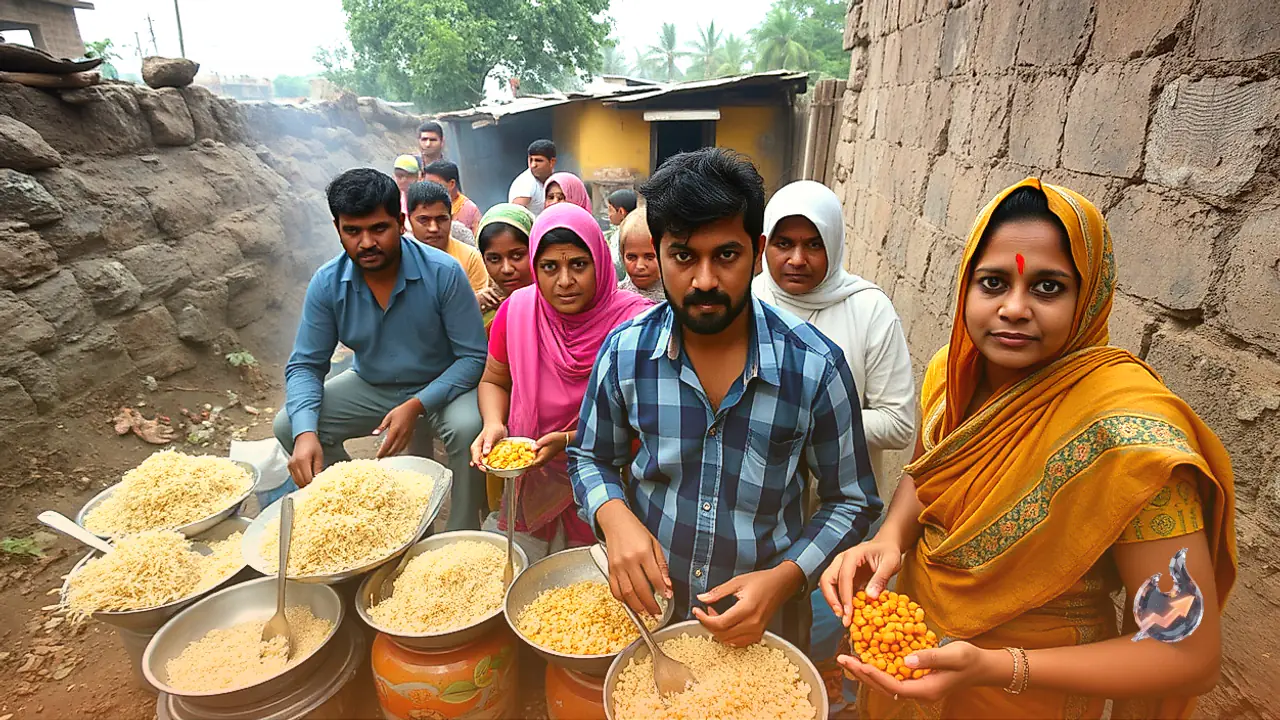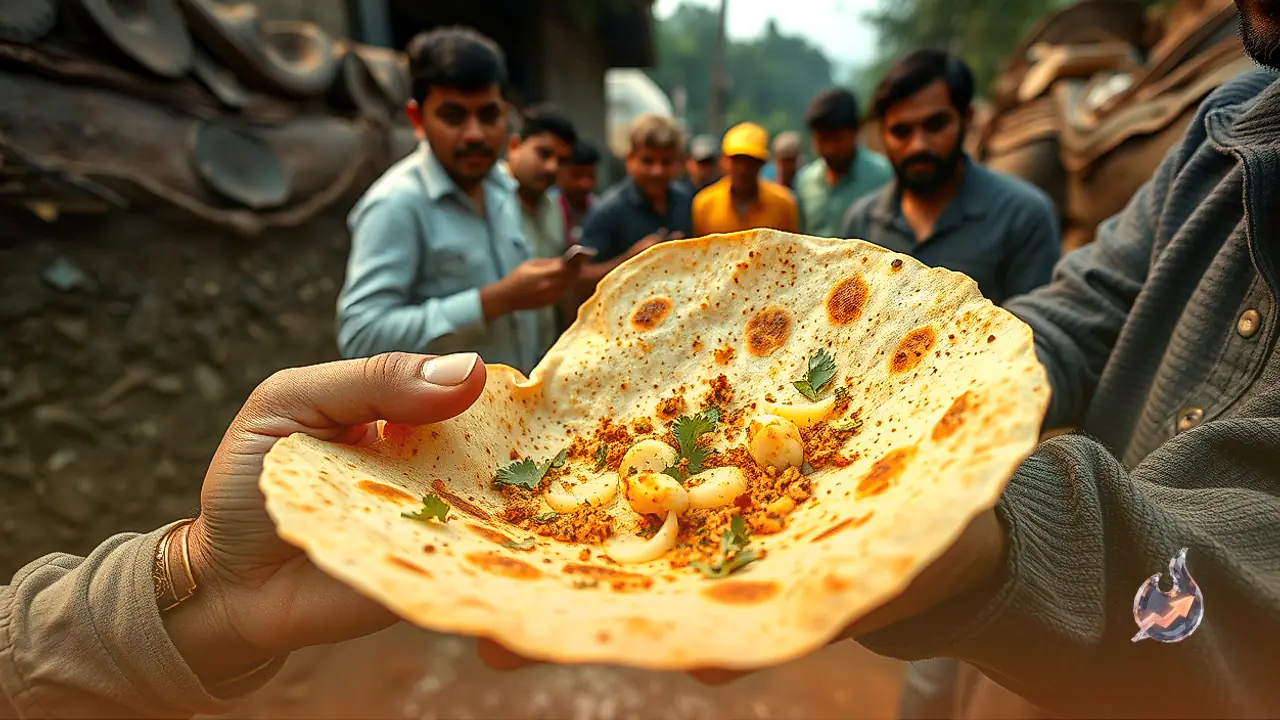





















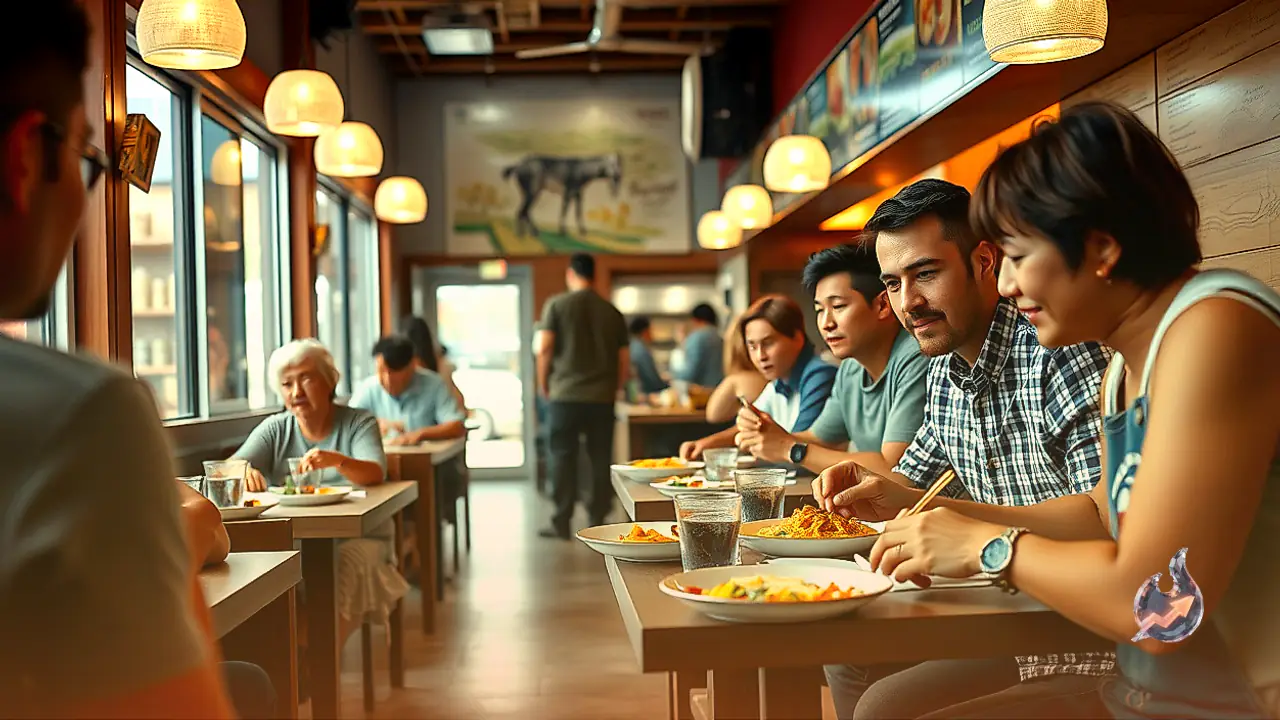

Dining out is no longer solely about ordering exotic ingredients, expensive platters, or unfamiliar cuisines that one has never tasted before. A noticeable shift is underway across dining tables, with guests stepping back from complicated dishes in favor of the comforting, recognizable flavors of their childhood. Cafes and restaurants are actively updating their menus to introduce grandmother-inspired khichdi, homestyle kadhi, warm parathas, and traditional sweets. Known as the nostalgia food trend, this shift connects directly with personal memories and the warmth of home cooking.
The Emotional Connection Behind Familiar Flavors
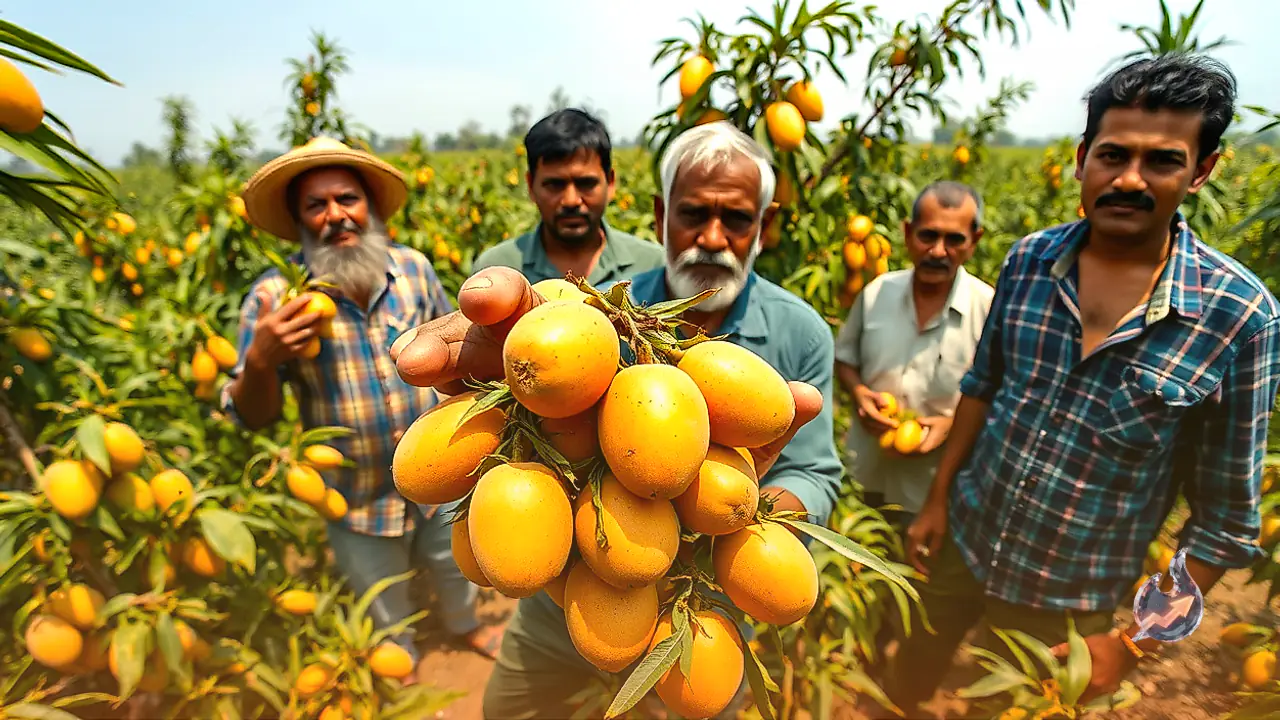
The growing appeal of nostalgia dining stems from the reality that food serves as more than just physical nourishment; it acts as a gateway to cherished memories. A simple potato curry enjoyed after returning from school, freshly rolled parathas, comforting khichdi served during illness, or a glass of raw mango cooler prepared on warm summer afternoons carry deep personal significance. These foods are tied to family bonds and simpler times. When modern diners encounter these very dishes on a contemporary menu, the emotional resonance is immediate, offering an experience that cannot be matched by unfamiliar international recipes.
Modest Everyday Vegetables Enter Premium Menus
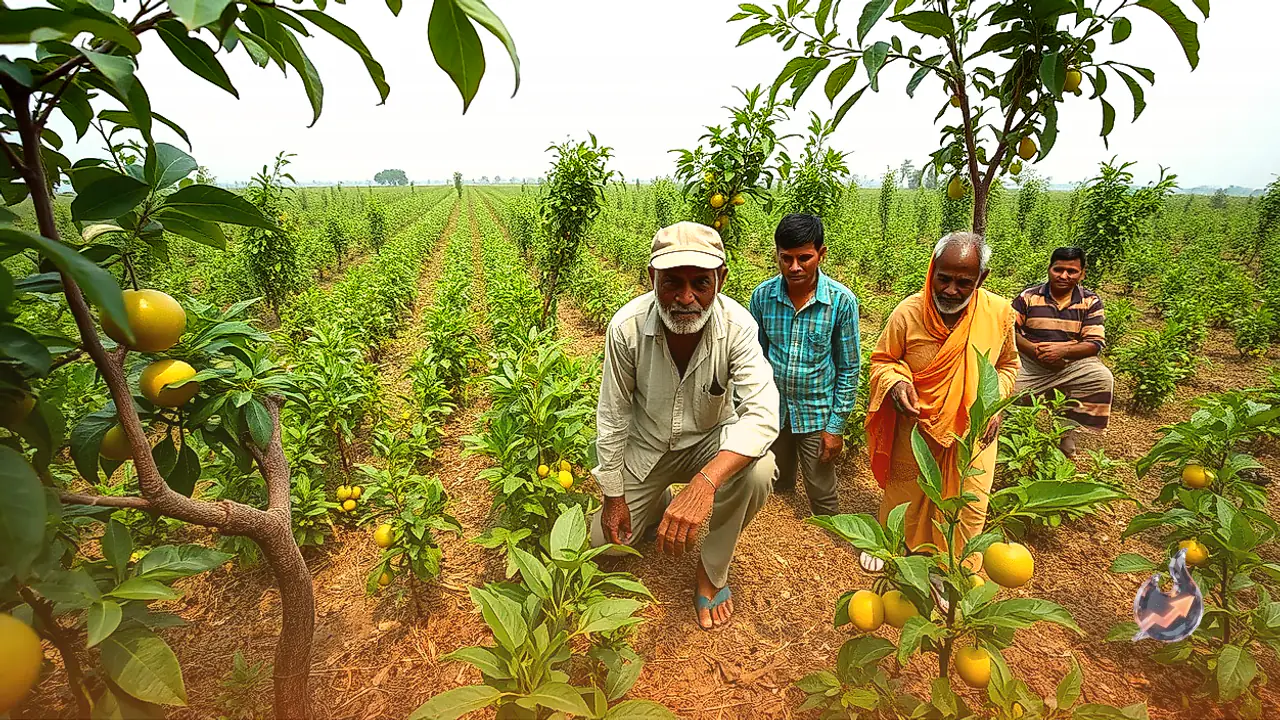
This culinary transition is reshaping menus across India in meaningful ways. Vegetables that were once regarded as routine home staples are now receiving premium culinary attention. Produce such as apple gourd, bottle gourd, and okra are being integrated into fine dining menus with elegant plating and thoughtful presentation. Similarly, popular street food favorites are being reimagined within elevated settings. Items such as pani puri are presented with refined techniques while ensuring that the core authentic taste and childhood memories linked to them remain intact.
Why Familiar Cooking Trumps Complicated Recipes
When dining out, patrons frequently encounter menus filled with imported ingredients and complex titles. Nostalgia food stands apart because of its immediate familiarity and comfort. A food memory is never purely about flavor; it is intrinsically linked to the people who served it and the place where it was shared. This emotional weight transforms a simple bowl of lentils into an extraordinary culinary experience. Industry observations for 2026 highlight a steady return to traditional roots, with younger generations showing genuine curiosity and enthusiasm for experiencing heritage recipes served in modern formats.
The Global Spread of Grandmother-Inspired Dining
The longing for family-centered recipes is not confined to India; it is a noticeable global pattern. International culinary circles often refer to this movement using terms such as grandma-core or nonna-stalgia. Under this concept, comforting meals traditionally cooked by elders are placed at the center of the hospitality experience. Restaurants understand that modern diners seek experiences rather than just meals. Presenting a heritage recipe alongside its cultural and familial story elevates a standard dinner into a deeply personal dining memory.
A Personalized Food Journey for Every Eater
A notable aspect of this dining movement is its vast, individualized nature. Nostalgia does not point to a single universal dish; its meaning changes entirely depending on the person. For one individual, true comfort might be a plate of rice and lentils, while for another, it could be the canteen noodles from college days or festival vermicelli prepared at home. This inherent diversity ensures that the nostalgia food movement remains versatile and enduring, offering diners a welcome respite from culinary complexities and returning them to flavors of reassurance and home.