
























In an era dominated by relentless work schedules and nonstop notifications, taking a meaningful pause does not always demand a week-long vacation, expensive flight bookings, or months of logistical planning. Often, stepping out of the house for just a few hours, keeping mobile devices aside, and sitting in an unfamiliar, peaceful setting is all it takes to reset. Driven by this evolving lifestyle need, the trend of micro travel has gained widespread traction. Rather than embarking on extended journeys, people are deliberately choosing to head toward nearby destinations for short durations. Some set off on an early morning drive, while others find refuge in a quiet spot located just on the outskirts of their urban boundaries.
The defining element of this movement is that the primary objective is not to tick off sightseeing spots from an ambitious itinerary. Instead, it is purely about stepping away from a repetitive daily routine for a couple of hours. As a consequence, travelers increasingly view micro travel as a personalized, low-stress intermission rather than an exhausting expedition.
Understanding Micro Travel and Its Everyday Format
At its core, micro travel refers to short-duration journeys that do not require an entire weekend or official leave approvals from work. A quick trip lasting a couple of hours, half a day, or at most a single day fits squarely within this concept. For instance, consider someone who only has free time on Sunday from morning until early afternoon. Such an individual can easily head to a lake, a rural settlement, a scenic landscape, an old neighborhood bazaar, or an open-air cafe located merely 20 to 30 kilometers away from their city center.
Spending two or three relaxing hours there before returning home by afternoon is a practical demonstration of how accessible micro travel can be. In such quick outings, the process of taking a break holds far greater value than reaching a grand destination. Navigating the same streets, handling office obligations, and managing household chores day after day can feel monotonous, making a spontaneous trip to a nearby place an effective way to introduce fresh energy into ordinary routines.
Why Quick Outings Are Replacing Elaborate Vacations
Carving out dedicated time for an elaborate holiday is a luxury that remains out of reach for many busy professionals. Balancing workplace deadlines, domestic duties, financial constraints, and conflicting schedules makes securing multiple days off a persistent challenge. Under these circumstances, a quick outing emerges as a vastly more sensible alternative.
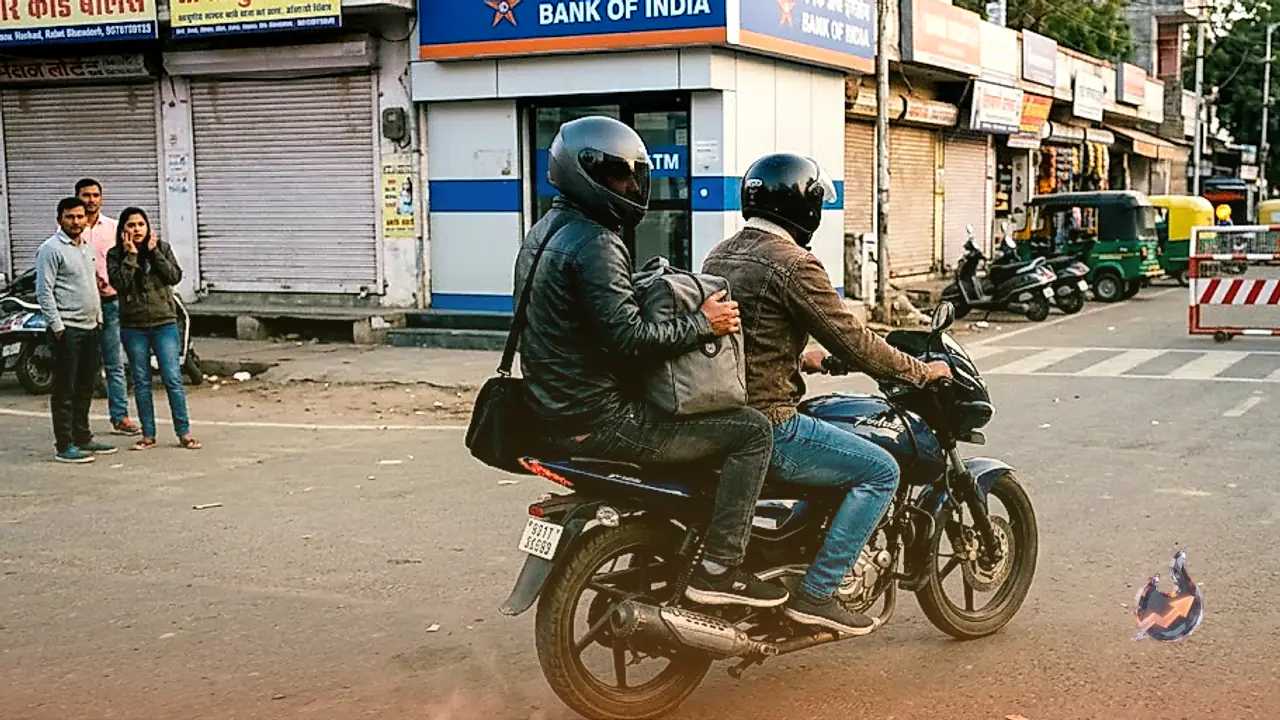
Micro travel eliminates the typical friction associated with travel planning, such as scouting hotel reservations or packing extensive luggage. Travelers can easily commute using their personal cars, motorbikes, or even local transit networks to reach nearby locations within minutes. This sharply reduces travel time, ensuring that the day is not consumed entirely by road fatigue. This model holds immense appeal for those who dislike complicated itineraries. One can make a spontaneous morning decision and safely return home by evening, keeping travel an effortless pleasure rather than an exhausting project.
Quiet Spaces, Budget Control, and Digital Detoxing
The core attraction of micro travel extends far beyond simply looking at new geographic settings. For many, its primary value lies in soaking in an environment untouched by metropolitan noise and chaos. Sitting quietly in a public garden, by a lakeshore, along a forested trail, or on an open hillside offers a genuine mental pause that long vacations often fail to deliver due to hurried sightseeing.
Financial accessibility also plays a massive role in its popularity. Because the destinations are within close proximity, transportation expenses remain minimal. Visitors can enjoy street food from a roadside vendor, explore a historic marketplace, or visit an overlooked corner of their own district that they never had time to explore before.
Moreover, mobile devices and social networks have deeply infiltrated everyday life, leaving little room for mental stillness. During micro travel trips, many people consciously attempt to reduce their screen engagement. Looking out at changing landscapes, engaging in unhurried conversations with travel partners, or simply sitting in silence under an open sky forms the true essence of this recreational break.
Planning Practicalities and Safety on Brief Excursions
Perhaps the most appealing facet of micro travel is that it does not demand a celebrated, world-renowned tourist hub. An obscure historic fort ruin, a riverbank, a local crafts market, a walking nature trail, or a quiet countryside cafe on the city fringes can serve as an ideal escape from routine. Nevertheless, taking a brief trip should not translate into being entirely unprepared.
Before heading out, travelers must assess local weather conditions, check road accessibility, determine a realistic return timetable, and respect local civic regulations. Furthermore, if a selected destination is isolated or sparsely populated, visiting with friends or family members rather than traveling alone remains a safer and much more responsible choice.