





















During warm summer months, yogurt and buttermilk are staples in households across the country. Frequently, surplus buttermilk sits forgotten in refrigerators for a day or two before being poured down the drain. For home gardeners, this common kitchen excess presents an eco-friendly opportunity to nourish soil biology rather than creating waste. When diluted appropriately and applied with care, plain buttermilk can serve as a supportive soil conditioner for various container plants.
How Buttermilk Interacts with Soil Biology
Vibrant foliage and steady plant growth depend fundamentally on root stability and the microbiological quality of the potting mix. Buttermilk contains natural active microorganisms that can stimulate beneficial bacterial activity within the soil bed. When soil microbes thrive, they break down organic components more efficiently, making essential nutrients already present in the substrate far more accessible to root systems.
Even so, gardeners must not mistake thinned buttermilk for an all-purpose organic fertilizer or a cure for plant diseases. Vegetative health relies on multiple interconnected environmental elements, including substrate porosity, balanced hydration, adequate sunshine, and standard nutritional supplies. Liquid dairy feeds act merely as minor biological aids rather than complete plant nutrition.
Dilution Proportions and Application Steps
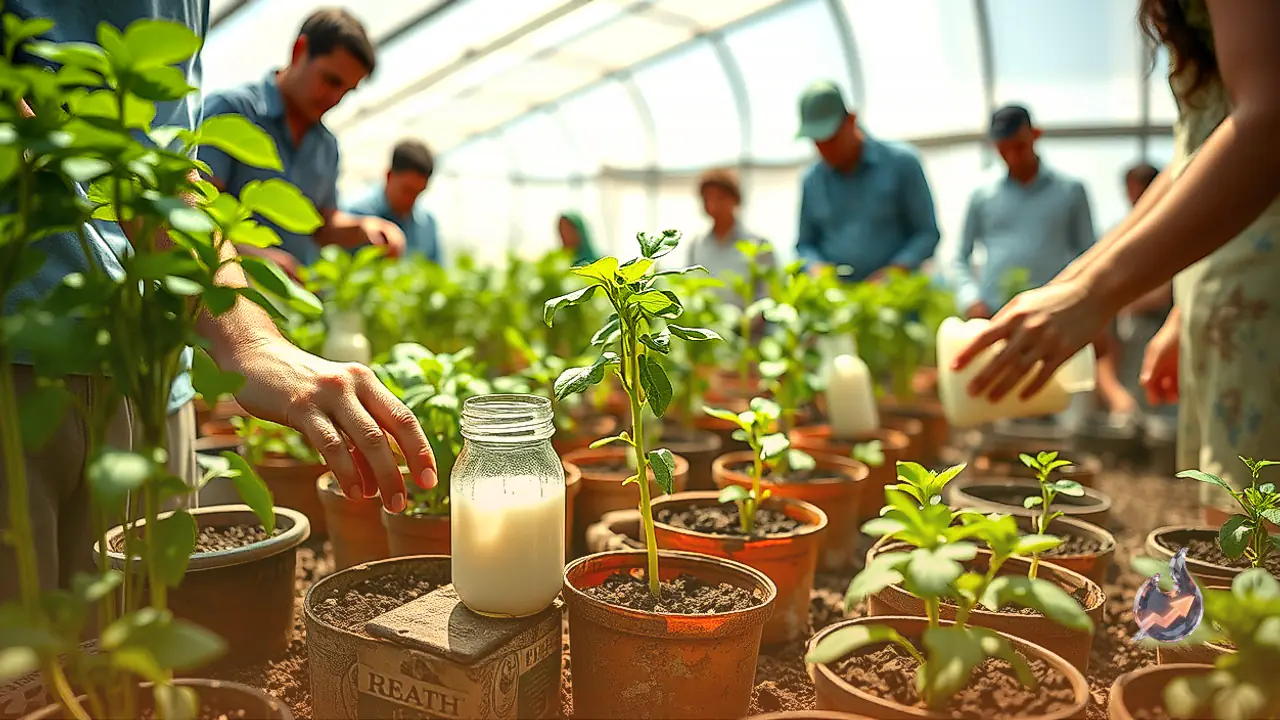
The single most critical step when utilizing buttermilk for gardening is proper dilution. Concentrated or thick dairy liquids should never be poured directly into a planter, as they can sour, cake the surface, block aeration, and attract harmful fungal colonies. The recommended standard is to mix one measure of plain buttermilk with roughly 5 to 10 measures of clean water to produce a very thin, watery solution.
Once thoroughly blended, pour this light liquid in modest amounts around the root zone rather than splashing it close to the central base stem. For gardeners experimenting with this method for the first time, beginning with minimal quantities on a single specimen is the wisest approach. Applying the solution directly to the potting mix is significantly safer and easier than spraying it onto delicate foliage, which can leave residue.
Application Intervals and Moisture Management
Liquid feeds derived from dairy require strict restraint regarding scheduling. Applying buttermilk daily or every few days will overwhelm the root ecosystem. A moderate application spaced 15 to 20 days apart is more than sufficient to encourage soil biology without risking excessive buildup.
Soil moisture conditions must also be evaluated carefully before adding any liquid. If the potting soil is already damp or water is pooling because of sluggish drainage, buttermilk applications should be avoided entirely. Persistent, heavy dampness in confined containers starves roots of oxygen and induces rot. Gardeners should always assess the current weather conditions and allow the upper layer of soil to dry out moderately before introducing any liquid supplement.
Suitable Plant Varieties and Key Precautions
A dilute buttermilk mixture can be applied to a broad selection of indoor and garden varieties. Common flowering and ornamental species such as roses, hibiscus, and money plants often tolerate it well, as do fruiting container crops like tomatoes and chili peppers. Nevertheless, each individual cultivar possesses distinct sensitivities, making localized spot tests advisable before treating an entire collection.
Should the potting mixture begin releasing sour odors, attract gnats and insect pests, or display visible leaf stress, all buttermilk applications must cease at once. Furthermore, any buttermilk seasoned with table salt, rock salt, roasted cumin, or seasoning blends must never enter garden containers. Salt accumulation permanently harms plant tissue and damages delicate roots, meaning only completely unseasoned, plain buttermilk is safe for garden application.
Treating Kitchen Feeds as Supplements, Not Miracles
Repurposing surplus kitchen liquids is a practical zero-waste gardening technique, but it cannot substitute for foundational horticulture. Thrived plant life requires consistent natural lighting, appropriate aeration, nutrient-rich soil blends, and dependable drainage routines. When treated strictly as an occasional supplement under proper dilution, plain buttermilk serves as a helpful household additive without jeopardizing plant health.