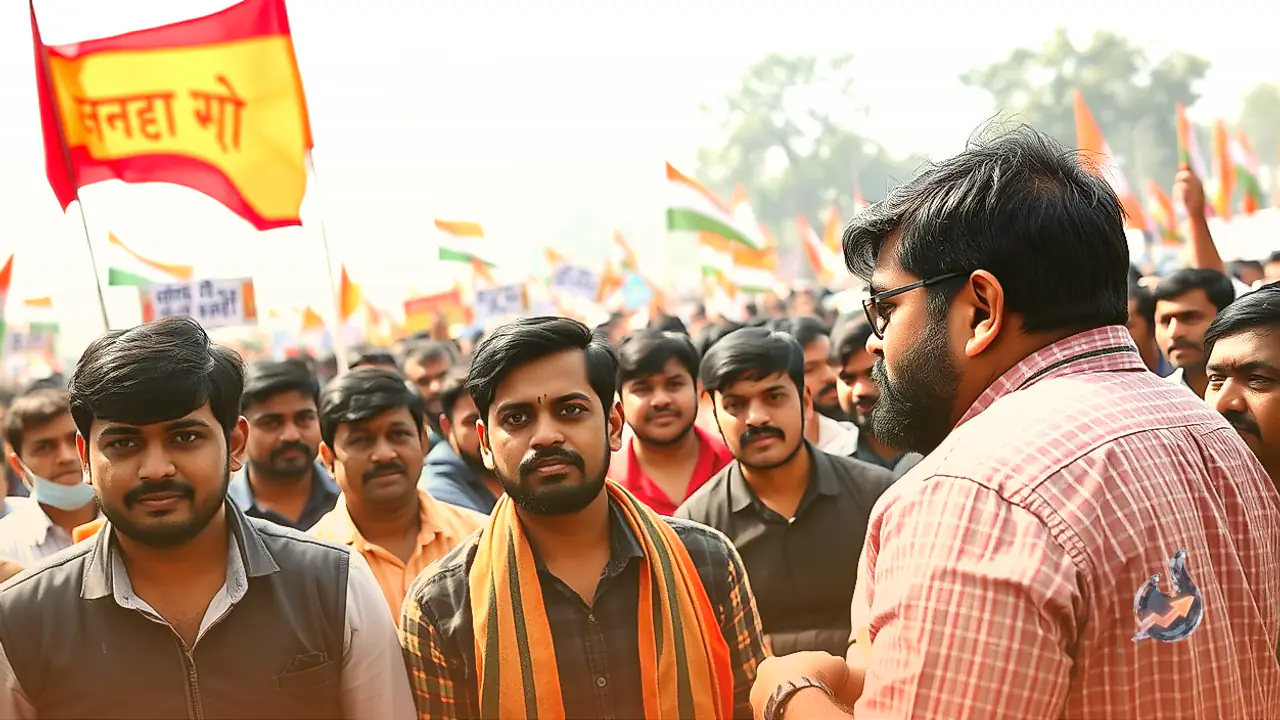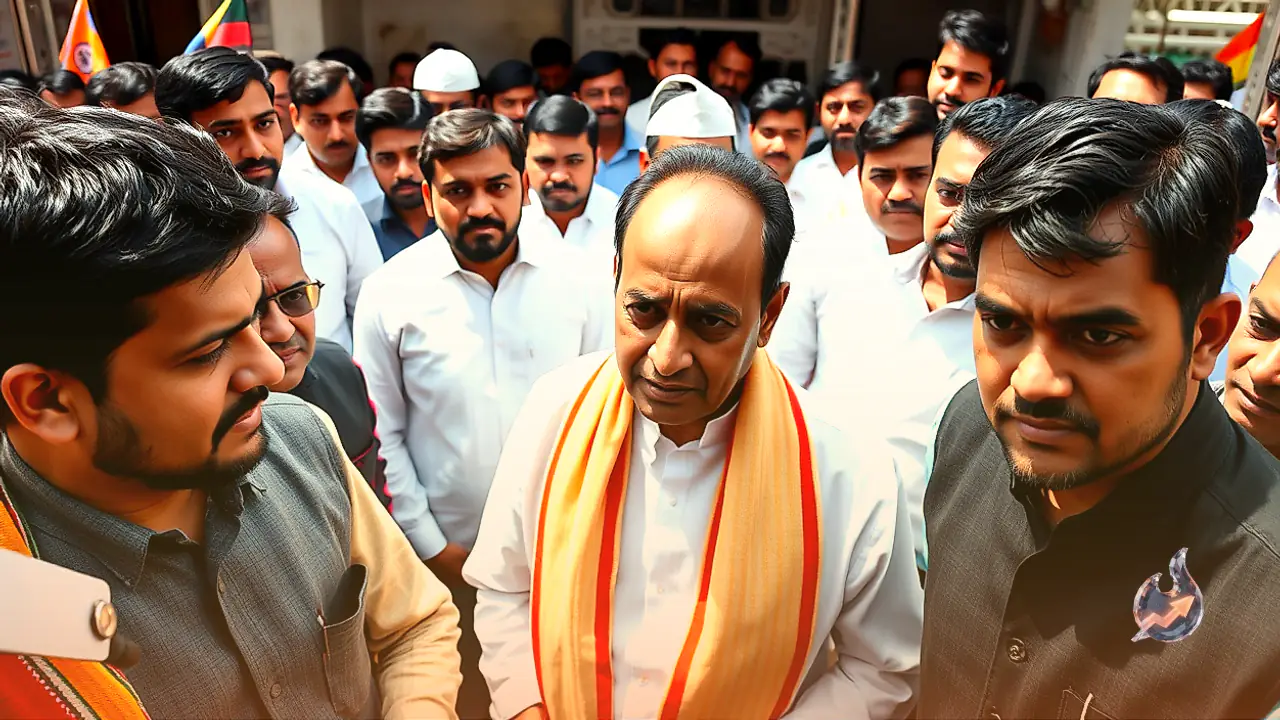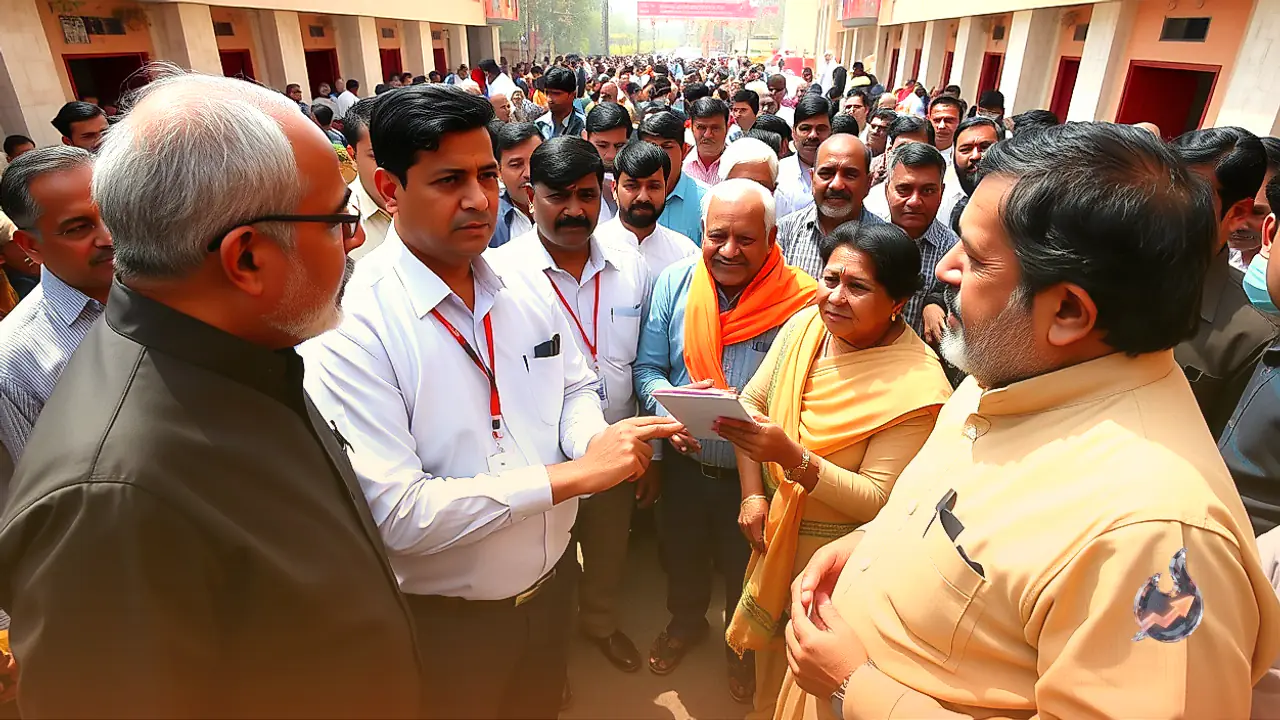

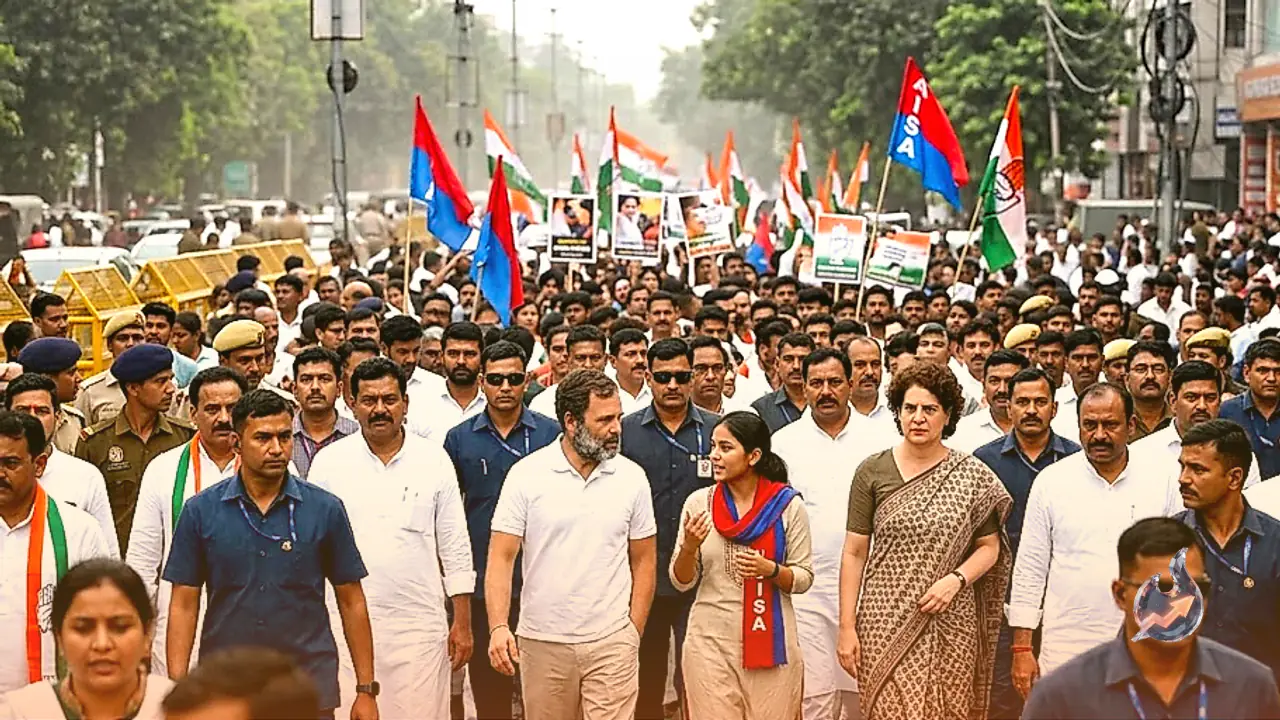
















A striking political moment unfolded on the streets of Delhi during the India bloc march towards the Supreme Court. While the opposition alliance features numerous prominent young faces who have long been active from the streets to Parliament, it was AISA national president Neha Bora who captured the spotlight by walking alongside Rahul Gandhi and Priyanka Gandhi Vadra. Her presence, coupled with visual moments of Rahul guiding her through the crowd with a protective hand on her shoulder, has ignited fresh discussions about evolving political dynamics and alliances.
A Unique Visual Coordination During the March
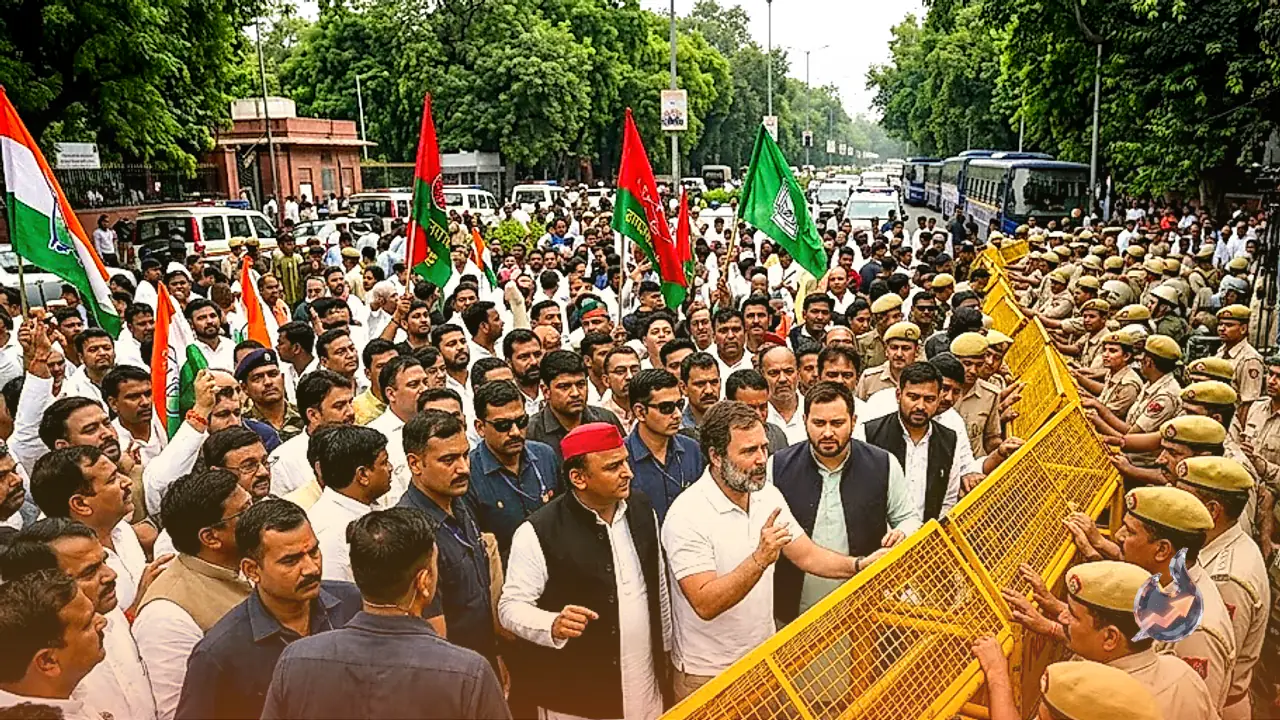
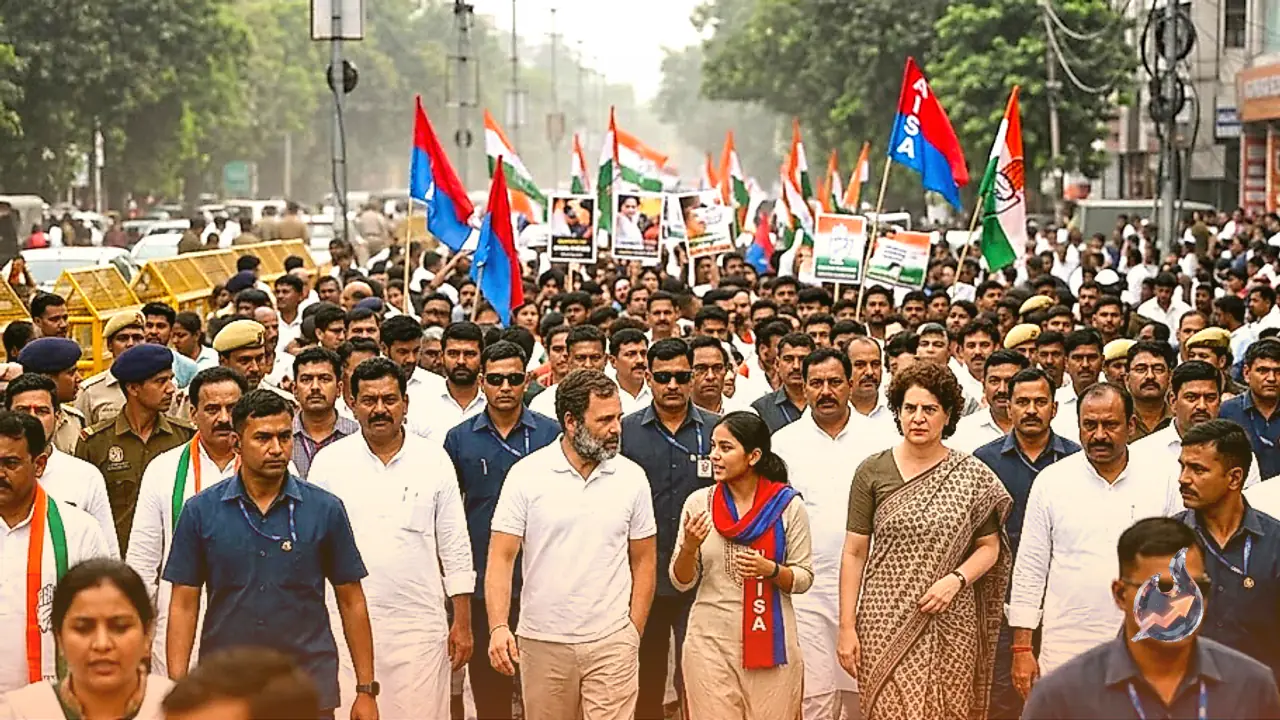
Several visuals from the opposition march drew public attention, but one particular sequence stood out as Priyanka Gandhi Vadra and student leader Neha Bora walked side by side near the front of the procession. Navigating the dense crowd of supporters and leaders on Delhi roads was challenging, and video footage captured Rahul Gandhi walking closely behind them to clear the path. During the march, Rahul was seen placing his hand on the shoulders of both Neha Bora and his sister Priyanka, signalling them forward and ensuring their safety amidst the surging gathering.
Identity of Student Leader Neha Bora
The joint appearance brought a prominent student leader into the same frame as the top leadership of the Congress party. Neha Bora serves as the national president of the All India Students Association, a student wing rooted in leftist politics. Her participation highlighted the integration of student movements into broader opposition demonstrations. While Rahul and Priyanka represented the core leadership of Congress, Neha stood as a representative of student activism, creating a symbolic display of diverse political currents joining forces during the march.
Core Issues Behind the Opposition March
The opposition coalition organized the march to address key grievances involving Chief Election Commissioner Gyanesh Kumar, alongside raising concerns regarding alleged vote manipulation and the special intensive revision of electoral rolls. Opposition parties have been vocal about perceived irregularities within the electoral framework. To register their protest and submit petitions, leaders initially gathered at the Constitution Club, took buses to Barakhamba Road, and then proceeded on foot toward the Supreme Court.
Strict Security and Broader Political Implications
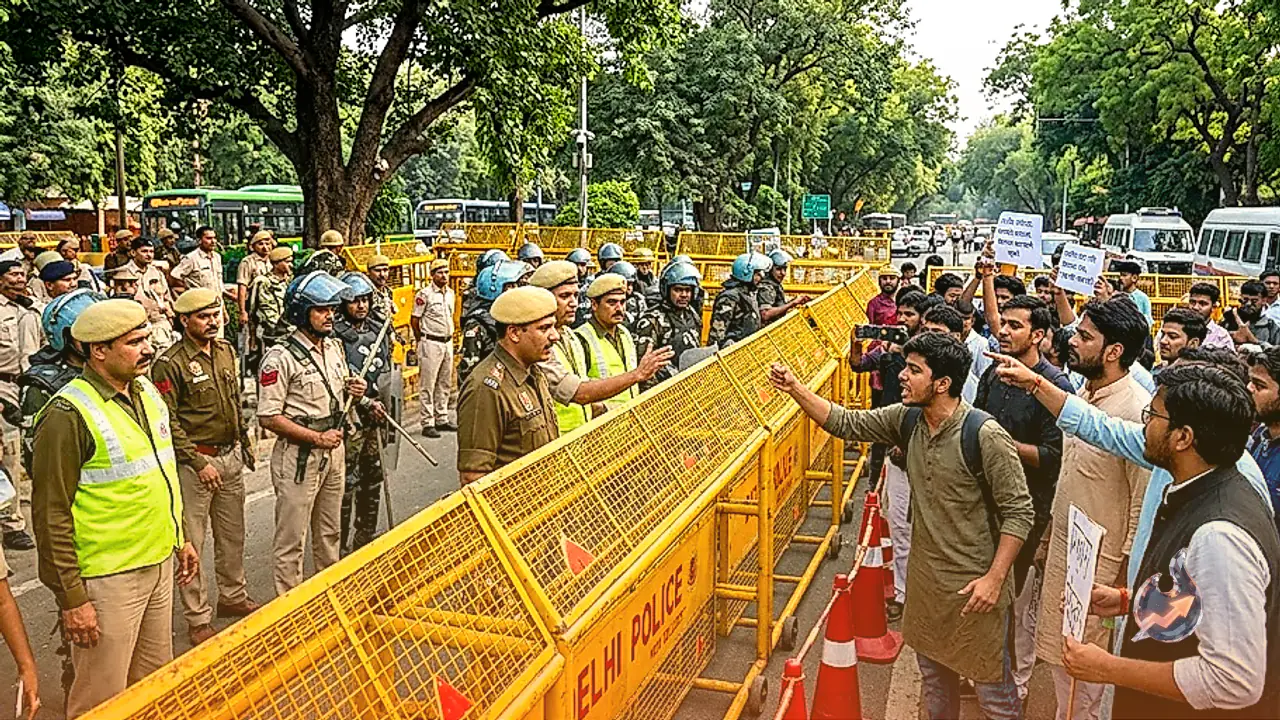
The march took place under heavy security arrangements, with police setting up barricades along the route to manage the crowds. Amidst the intense political atmosphere and administrative deployment, the synchronized movement of the Congress leadership alongside the student union president provided a compelling image. Observers and analysts have begun questioning whether this dynamic points towards closer coordination between mainstream opposition parties and leftist student organizations moving forward.