






















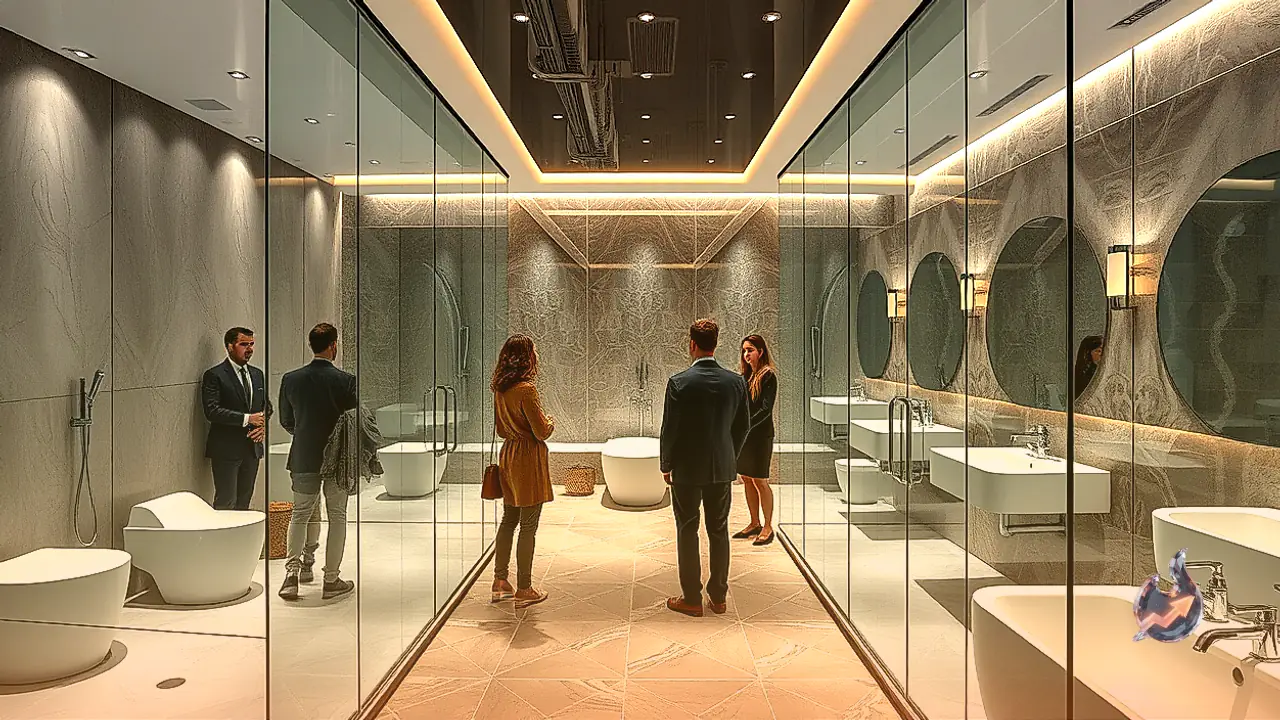

Stepping into a modern luxury or five-star hotel room often brings an unexpected architectural surprise. While typical residential homes and conventional budget lodges rely on opaque brick walls and heavy wooden doors for bathing areas, premium hotels increasingly opt for fully transparent glass partitions. In many contemporary layouts, the shower and bathroom enclosure features glass on up to three sides, offering an unobstructed view straight from the bedroom. At first glance, this concept can feel unusual or even uncomfortable, raising immediate concerns about personal privacy when sharing accommodation. However, this shift in hospitality interior design is driven by solid engineering, smart spatial psychology, energy efficiency, and operational practicality.
Creating an Illusion of Openness in Compact Rooms
The foremost reason architects choose glass partitions is the powerful visual expansion of interior space. In urban settings where land values are steep, hotel guest rooms are designed to be compact and efficient. When a solid concrete or drywall partition is erected inside a limited floor plan, it creates an abrupt visual boundary. The guest’s line of sight stops at the wall, making the space feel fragmented, boxed-in, and cramped. Transparent glass, by contrast, removes that visual barrier entirely. The eye travels seamlessly across the room into the bathroom, creating a convincing optical illusion that makes the accommodation appear substantially larger, brighter, and more airy. Furthermore, for solo travelers, this open layout offers practical convenience and security. A lone guest can easily keep an eye on the television, monitor their belongings, and watch the room entrance while taking a shower.
Maximizing Natural Light and Slashing Energy Costs
Most hotel rooms feature exterior windows on only one side. In a traditional floor plan, interior partitions block sunlight from ever reaching the washroom, forcing guests to switch on artificial overhead lighting even in the middle of a sunny day. With full-height glass bathroom walls, ambient daylight streaming through the main windows penetrates deep into the bathing space. This eliminates the necessity of keeping bathroom lights switched on during daytime hours, significantly lowering the property’s power consumption. In the evenings, the interaction between modern ambient fixtures and sleek glass surfaces produces a warm, spa-like atmosphere that aligns with the premium aesthetic hospitality guests expect.
Streamlining Housekeeping and Preventing Mold Build-Up
Cleanliness is the single most critical benchmark in hotel operations, and maintaining high hygiene standards requires efficient workflows. Conventional tiled walls and grouted joints are notorious for trapping moisture, giving rise to unseen mold, dampness, and mildew in hidden corners. Smooth architectural glass, on the other hand, is non-porous and completely waterproof. Any streak of water, soap residue, or surface grime becomes immediately noticeable. This visibility allows housekeeping staff to inspect, clean, and squeegee the surfaces in a fraction of the time required for traditional masonry, ensuring rapid turnarounds between guest stays.
Curbing the Habit of Leaving Bathroom Lights Running
A frequent operational headache for commercial accommodations is the habit guests have of leaving bathroom lighting illuminated after exiting. Behind a closed, opaque door, a forgotten light fixture remains completely invisible from the bedroom, often burning energy unnoticed for hours or throughout the night. A transparent enclosure ensures that bright bathroom illumination spills directly across the sleeping quarters. Guests looking to unwind or sleep in a darkened room will promptly notice the glow and switch off the light, preventing persistent energy waste.
Saving Valuable Square Footage and Fast-Tracking Construction
From an architectural standpoint, standard brickwork or insulated drywall requires a thickness of 4 to 6 inches. Tempered glass panels are vastly thinner, reclaiming 3 to 4 inches of valuable floor space along the perimeter of the bathroom. In a compact suite, those extra inches meaningfully enhance functional mobility and layout flexibility. Moreover, erecting conventional walls requires extensive masonry, wet plastering, sanding, and tiling, which stretches out building schedules. Glass enclosures can be prefabricated and installed swiftly with modular hardware at a lower overall labor cost.
Ensuring Absolute Privacy Through Smart Technological Solutions
The primary concern regarding transparent bathrooms is how two travelers sharing a room can maintain privacy. Modern hotels address this with well-engineered privacy measures that prevent accidental exposure. Many high-end establishments install electrochromic smart glass, often called switchable privacy glass. With the touch of a wall button, an electric current alters the glass from crystal clear to completely opaque within a split second. Other properties integrate heavy-duty waterproof motorized blinds or curtains positioned along the glass perimeter that can be drawn shut instantly. Additionally, frosted or patterned glass bands are frequently utilized at eye and torso level, allowing light to filter through while ensuring that full visibility into the shower area is completely shielded.