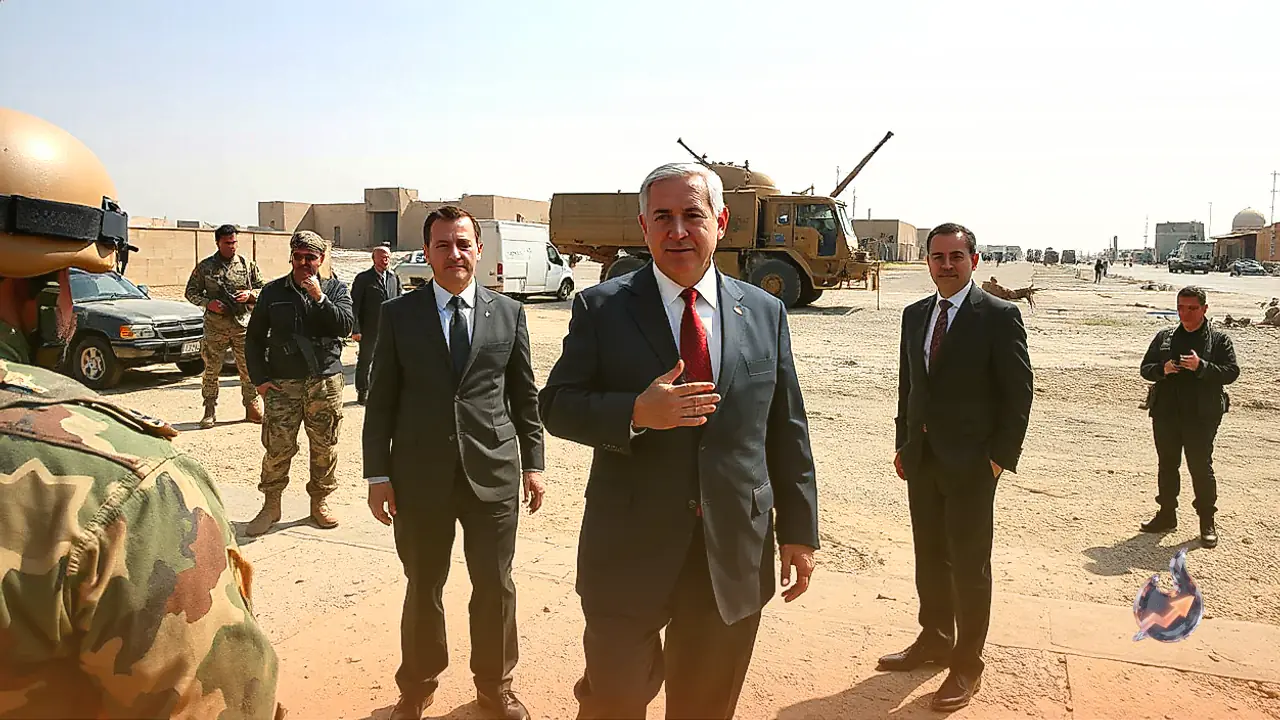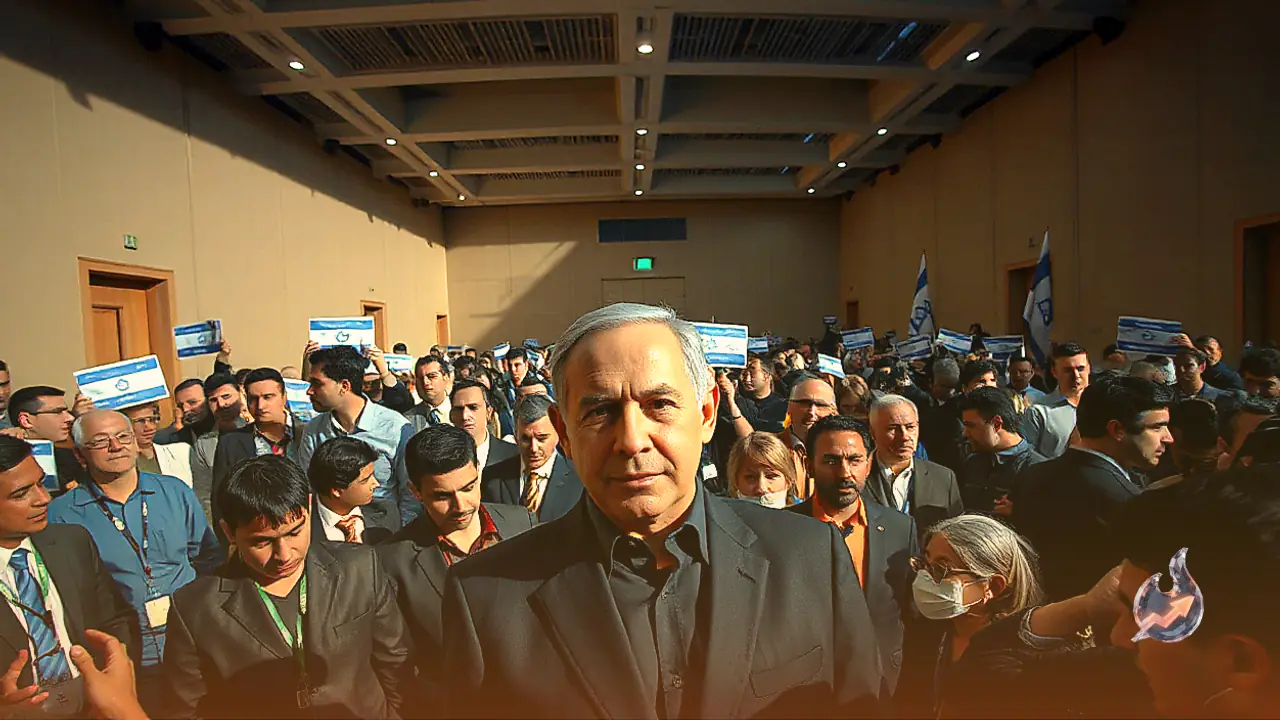

























The United States is preparing to end its direct funding to Israel as the current year draws to a close. President Donald Trump has revealed that an agreement concluded months ago with Prime Minister Benjamin Netanyahu will see Washington halt billions of dollars in annual payments. The distribution of American assistance to Israel has increasingly developed into a fierce political debate across the nation, and this shift represents a potential turning point in bilateral ties that have shaped Middle Eastern diplomacy for decades.
Agreement to Cut $4 Billion in Annual Allocations
Detailing the understanding during a Tuesday morning telephone interview with Fox News, Trump explained that the two governments settled the matter earlier in the year. Under the terms described by the president, Washington will stop sending the $4bn (£2.98bn) it provides to Israel every year once the calendar year concludes. While the regular direct cash flow will end, Trump noted that the United States remains willing to assist Israel should specific needs arise in the future.
Trump asserted that Israel is fully capable of standing on its own feet financially and no longer requires ongoing American taxpayer subsidies. He stated plainly that an understanding was established to bring the $4 billion annual outlay to a complete halt. In the same discussion, Trump criticized Democratic politicians, accusing them of turning US financial assistance to Israel into a partisan talking point to orchestrate political offensives against Republicans.
Weapon Procurement and Terms of Existing Pacts
Under the framework outlined by Trump, Israel retains the ability to purchase military equipment and weapons directly from American defense manufacturers whenever required. However, the precise structure of any forthcoming arms procurement or defense investment framework between the two allies has not been detailed publicly.
Questions also surround how this announcement aligns with existing formal bilateral treaties. A current memorandum of understanding guarantees $3.8bn in annual military assistance to Israel and does not reach its expiration until the end of 2028. It remains uncertain which exact budgetary accounts or legislative authorizations Trump intended to halt with his year-end timeline. Official clarification has been sought from the White House, while the Israeli Prime Minister's office has not released an official comment regarding the statements.
Benjamin Netanyahu on Phasing Out American Assistance
The concept of winding down foreign military funding from the United States is not entirely new to the Israeli leadership. During an interview with CBS in May, Prime Minister Benjamin Netanyahu spoke openly about his ambition to reduce American financial support from its current level of $3.8bn down to zero. Rather than relying on external contributions indefinitely, the Israeli leader proposed an orderly draw-down process.
Netanyahu stated during that interview that he favored implementing the reduction immediately across a ten-year horizon. He emphasized his desire to initiate the process without waiting for subsequent sessions of the US Congress to convene. While Netanyahu framed the timeline as a gradual decade-long trajectory, Trump's latest remarks point toward a far more immediate termination of payments before the arrival of the new year.
Historic Aid Scale and Deepening Capitol Hill Divides
Since the conclusion of the Second World War, Israel has stood as the single largest cumulative recipient of American foreign assistance anywhere in the world. An unadjusted Congressional report released last year documented that total lifetime US allocations to Israel have reached $174bn. For decades, this robust financial pipeline enjoyed virtually impenetrable bipartisan backing within Congress.
That consensus has begun to erode in recent months, especially among Democrats following the outbreak of fighting in Gaza in October 2023. Signs of this legislative rift were on display in July when Republican Representative Thomas Massie forced a floor vote on an amendment designed to strip $3.3bn in security assistance destined for Israel. The measure drew backing from 103 Democratic members of the chamber, whereas Massie was the sole Republican voting in favor. The amendment was ultimately voted down by a margin of 314 to 104.
Polling Highlights Growing Public Scepticism
Public opinion within the United States has also moved markedly regarding the partnership between Washington and Israel. A survey conducted by Quinnipiac University in September revealed that 48% of American registered voters believe the US provides too much support to Israel. This marks a three-fold increase compared to 2017, when only 16% of respondents expressed that view.
The divide along party lines is particularly pronounced. According to the poll, 67% of Democratic voters feel that American backing of Israel is excessive, while only 17% of Republican voters share that sentiment. These shifting numbers reflect an American electorate increasingly questioning long-standing foreign aid packages, creating fertile ground for the dramatic funding cuts put forward by Trump.