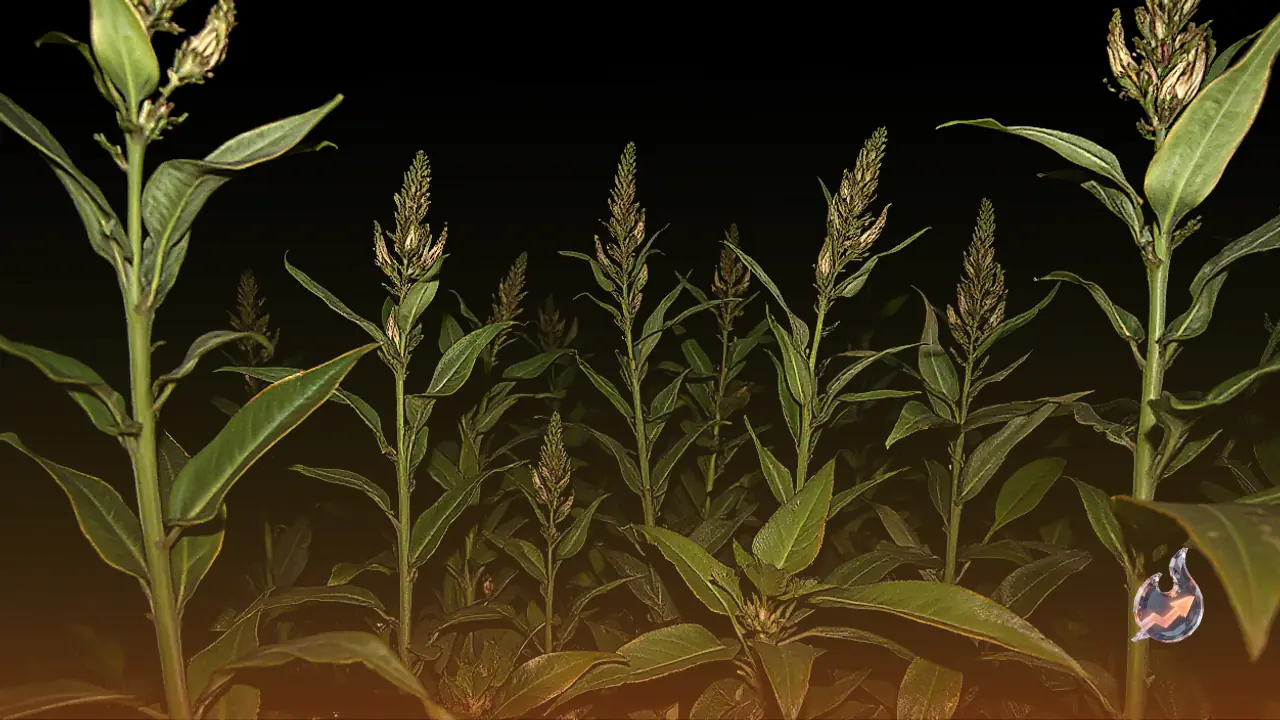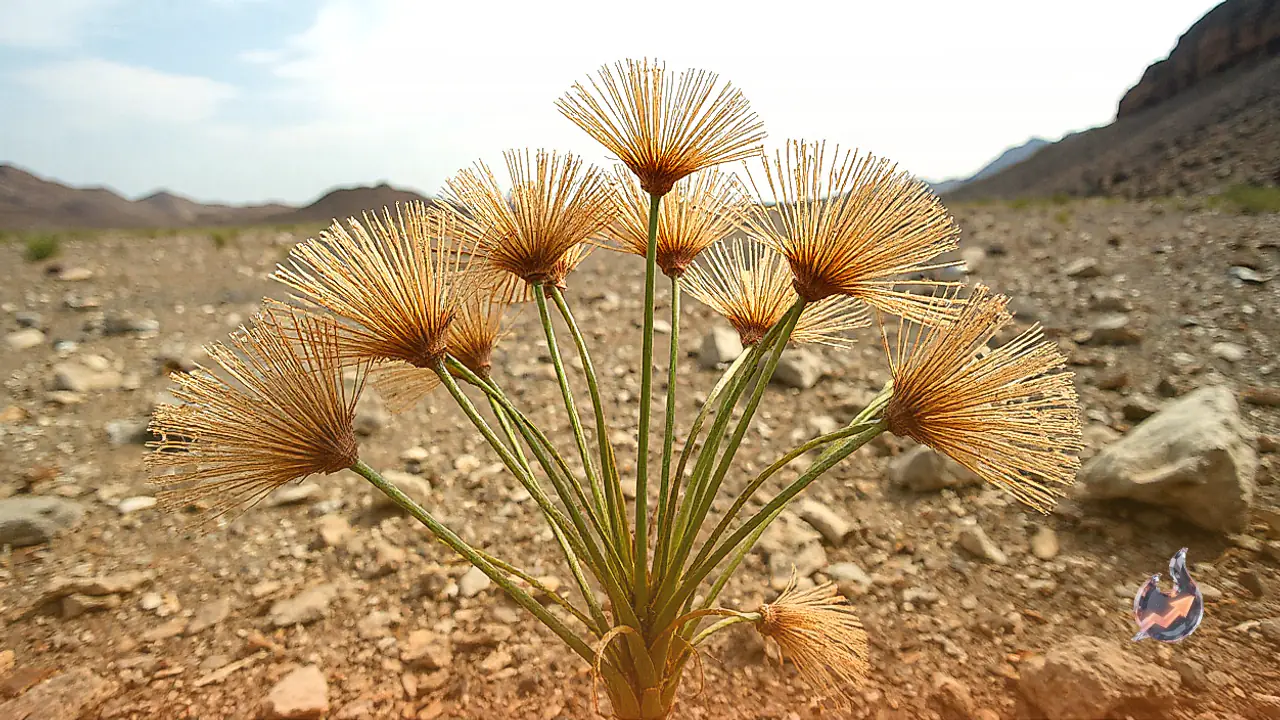

Plant enthusiasts have often noticed that while growing new leaves and branches is completely normal for vegetation, sometimes a stem starts taking on a completely different and unusual shape. A plant stem can suddenly flatten out and begin looking like a comb, or it might spread wide like a fan, creating multiple small branch-like formations from a single spot. At first glance, this might easily be mistaken for a plant disease or an insect attack, but that is not always the case.
Understanding Fasciation and Growth Patterns
In the world of gardening, this fascinating phenomenon is known as fasciation. It can occur due to sudden changes within the growing cells of a plant. Fasciation is an unusual growth pattern that happens in plants. Ordinarily, a plant stem grows in a round and straight fashion. This process is driven by the cells present at the upper tip of the stem, a region known as the apical meristem, which continuously pushes new growth forward.
However, when the cells in this specific area start expanding sideways instead of following their standard growth pattern, the stem can become wide and flat. Sometimes it appears as though multiple stems have fused into one single structure. At the tip, this can form shapes resembling a comb, a fan, or a ribbon. This exact cellular transformation is what experts call fasciation.
What Triggers This Unusual Transformation?
There is no single cause behind the occurrence of fasciation in plants. On many occasions, it happens due to a sudden genetic mutation within the plant cells. In other instances, drastic weather fluctuations, extreme cold spells, physical injuries to the new growth tips, or disruptions in growth hormones can also act as triggers.
Under certain circumstances, infections caused by bacteria, viruses, or other microscopic organisms can also lead to such abnormal growth in vegetation. Therefore, a flattened stem cannot always be dismissed as a simple harmless change. To determine the true cause, it is essential to closely observe the overall health and environmental conditions of the affected plant.
Which Plants Display This Unique Growth?
Fasciation is not restricted to any single plant species. It can appear across a wide variety of flowering plants, shrubs, trees, and even vegetables. Varieties such as daisies, dandelions, asters, chrysanthemums, and certain types of cacti have frequently exhibited this distinct style of growth.
Interestingly, some plants are deliberately cultivated precisely because of this unique physical structure. For instance, a specific variety of celosia is commonly known as cockscomb because its blooms closely resemble a rooster's comb or a hair comb. Additionally, the Japanese fantail willow is well known for its characteristic flat and twisted stems.
Is Fasciation Harmful to the Plant?
If this structural change is triggered by genetic factors or standard growth variations, it generally does not cause any severe harm to the overall health of the plant. In many cases, only the shape of the stem changes while the plant continues to grow in a completely normal manner.
Nevertheless, if the leaves start deteriorating alongside the stem, the plant begins to wither, or abnormal growth spreads across multiple sections, the situation should not be ignored. Such warning signs could indicate an underlying infection that requires proper attention.