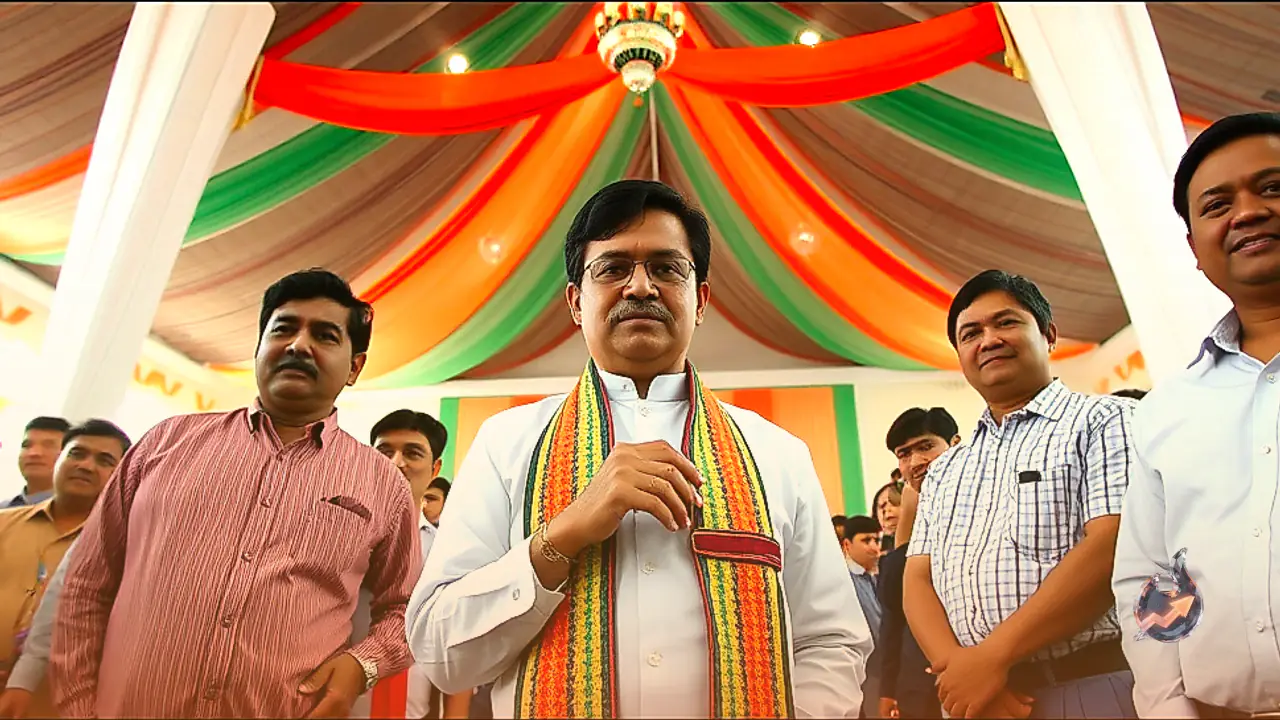















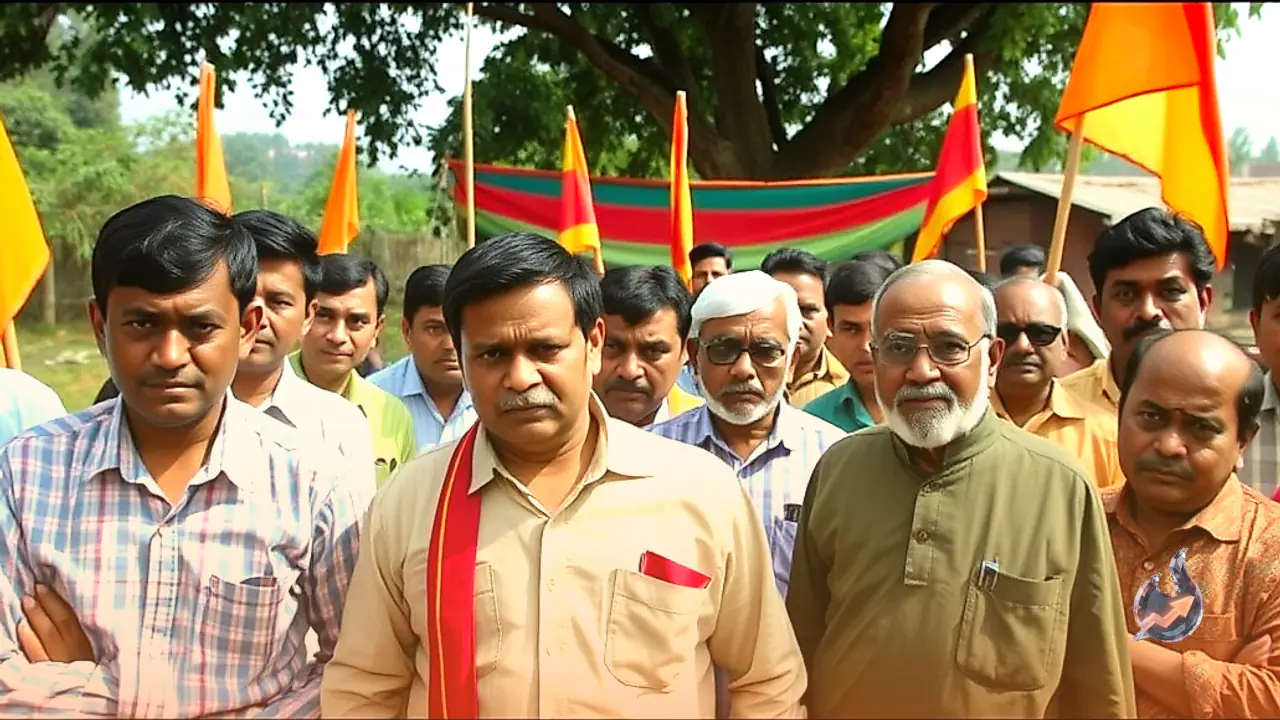

Tipra Kishore Manikya Debbarma, the founder of the Tipra Motha Party, announced on Tuesday that he will withdraw from active politics after next month on health grounds. Despite ending his formal political involvement, he assured his followers that he would remain a dedicated conscious keeper of the Tiprasa people and continue to raise his voice whenever they face injustice.
Reflecting on his journey, Debbarma explained that his decision aligns with advice from his father, Maharaja Kirit Bikram Manikya Bahadur, who believed in exiting at the pinnacle of one's journey rather than during a decline. He emphasized that entering electoral politics was never his original plan, but a necessary step once he realized that fighting for the rights of the Tiprasa people required dedicated leadership.
Call for a Final Mega Political Gathering
Looking toward his impending transition, Debbarma asked party workers to organize a massive rally next month. He requested that chairpersons from all newly elected village committees be invited to the event, offering him an opportunity to address the party ranks from a political stage one final time before his departure.
Alongside his retirement announcement, Debbarma urged the central government to honor its obligations toward Tripura's indigenous population by executing the Tiprasa Accord. The tripartite agreement was formalized in March 2024 between the Tipra Motha Party, the Union government, and the Tripura state government to drive holistic development across indigenous communities.
Focus on Implementing the Tiprasa Accord
Debbarma recalled that Union Home Minister Amit Shah, during a meeting in Delhi attended by Chief Minister Manik Saha, had assured that implementation of the pact would commence following Durga Puja. Debbarma voiced hope that the Centre would stand firmly by the commitments made to residents of the tribal belts.
Addressing the timeline, he questioned how he could approach the electorate ahead of the 2028 Assembly elections if these official promises remained unfulfilled. He pointed out that the community has waited patiently for years for meaningful resolution of their genuine difficulties, asserting that the moment to enact the terms of the accord has finally arrived.
Village Committee Electoral Breakdown
The announcement followed the conclusion of voting across 587 village committees operating under the Tripura Tribal Areas Autonomous District Council. Out of 4,594 contested seats, the National Democratic Alliance secured 4,320 seats. The Tipra Motha Party achieved a dominant showing by winning 4,328 seats on its own, while the Bharatiya Janata Party claimed 859 seats and its coalition partner, the Indigenous People's Front of Tripura, took 33 seats.
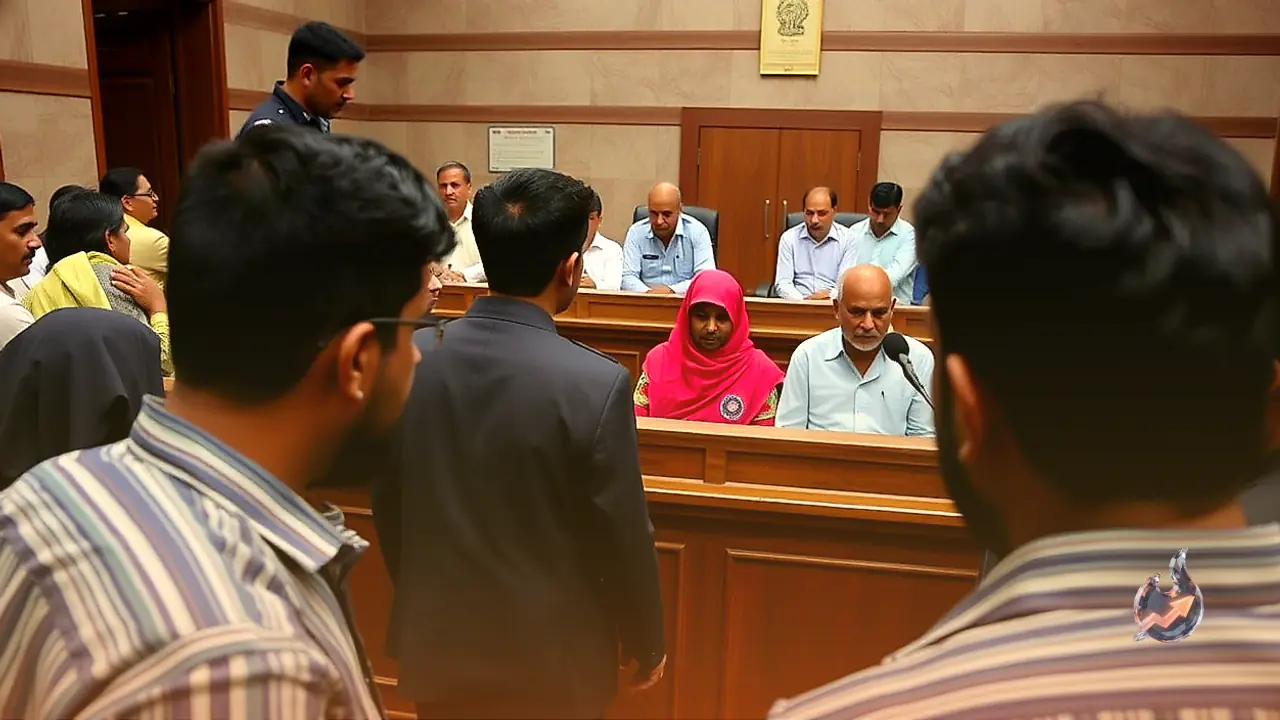
Expressing gratitude to the electorate, Debbarma highlighted that local residents would now exercise direct administrative authority in their villages, an opportunity denied to them for the preceding 10 years due to the absence of elected village bodies. He noted his persistent legal battle, taking the matter first before the High Court of Tripura and subsequently to the Supreme Court. He expressed deep appreciation for the apex court's directive ordering the State Election Commission to conduct the long-delayed democratic exercise.
Preserving Communal Peace and Constitutional Protections
Despite the sweeping mandate, Debbarma requested his supporters to hold back on celebratory rallies, reminding them that full constitutional rights remain to be achieved. He also underlined the paramount importance of maintaining community peace and mutual respect across the state.
He clarified that the movement does not target or oppose any other community living in Tripura. Instead, the primary objective remains ensuring that indigenous residents secure firm legal protections, especially regarding ancestral land rights within the tribal council territory, matching the safeguards established in other Sixth Schedule zones across the Northeast. The autonomous council, currently administered by the Tipra Motha Party, encompasses roughly two-thirds of Tripura's entire landmass.