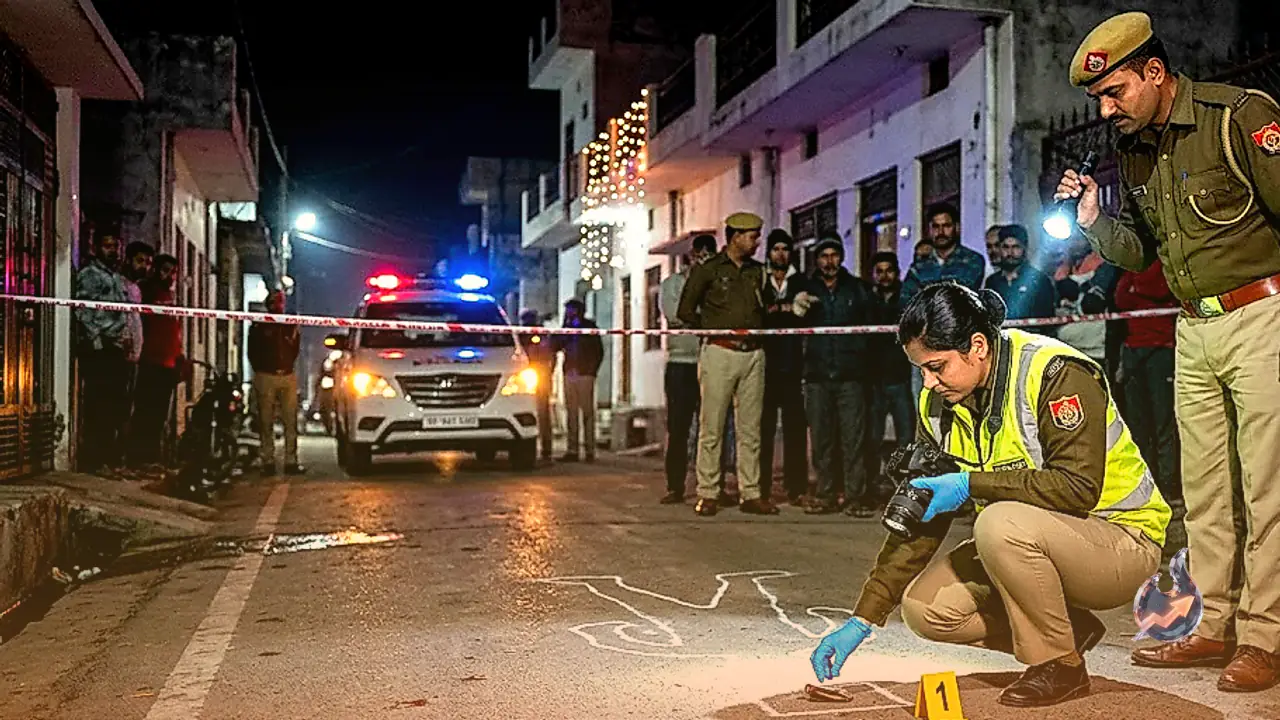






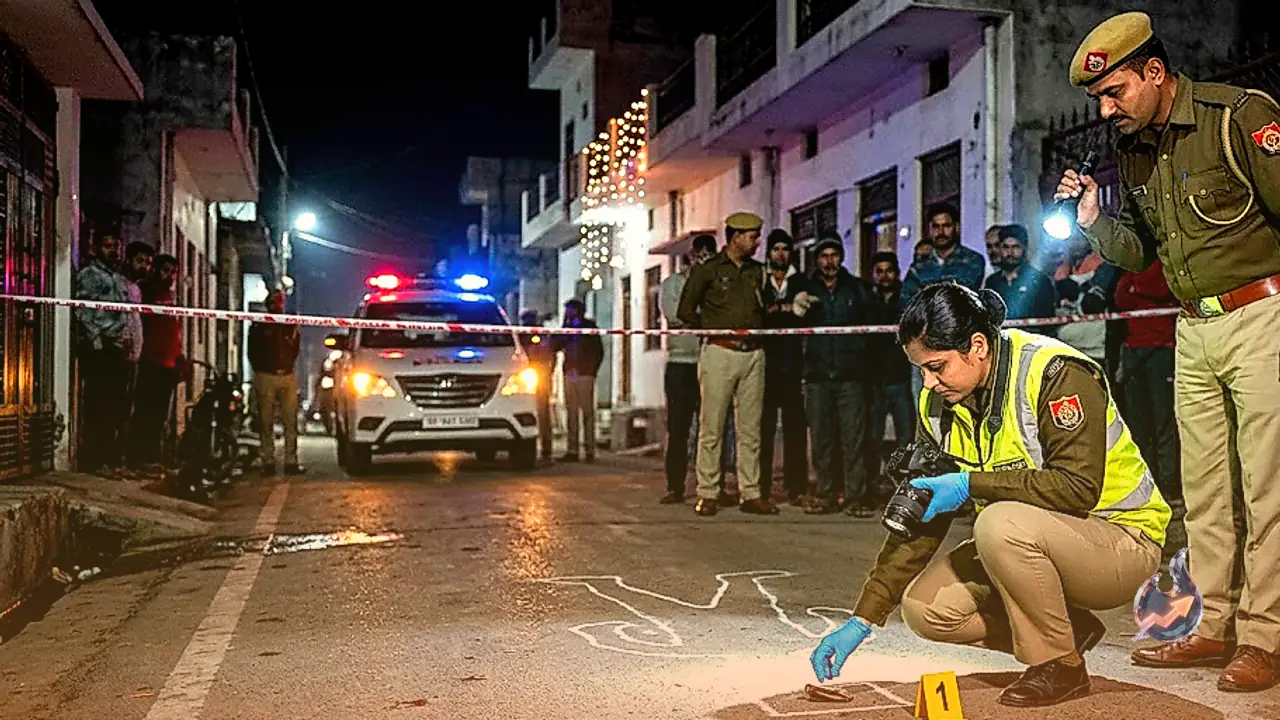

















The investigation into the alleged theft of donations at the Ram Mandir in Ayodhya, Uttar Pradesh, keeps turning up fresh and startling details. Police and the SIT have now established that the pilferage from the temple's offerings was not a one-off incident but had been going on for a long stretch of time. During questioning, the arrested accused could not explain where the large sums deposited in their bank accounts had come from. The investigating agency, however, has managed to access only 45 days of CCTV footage so far, and based on that footage, 8 accused have been identified and arrested.
Where did the stolen money actually go
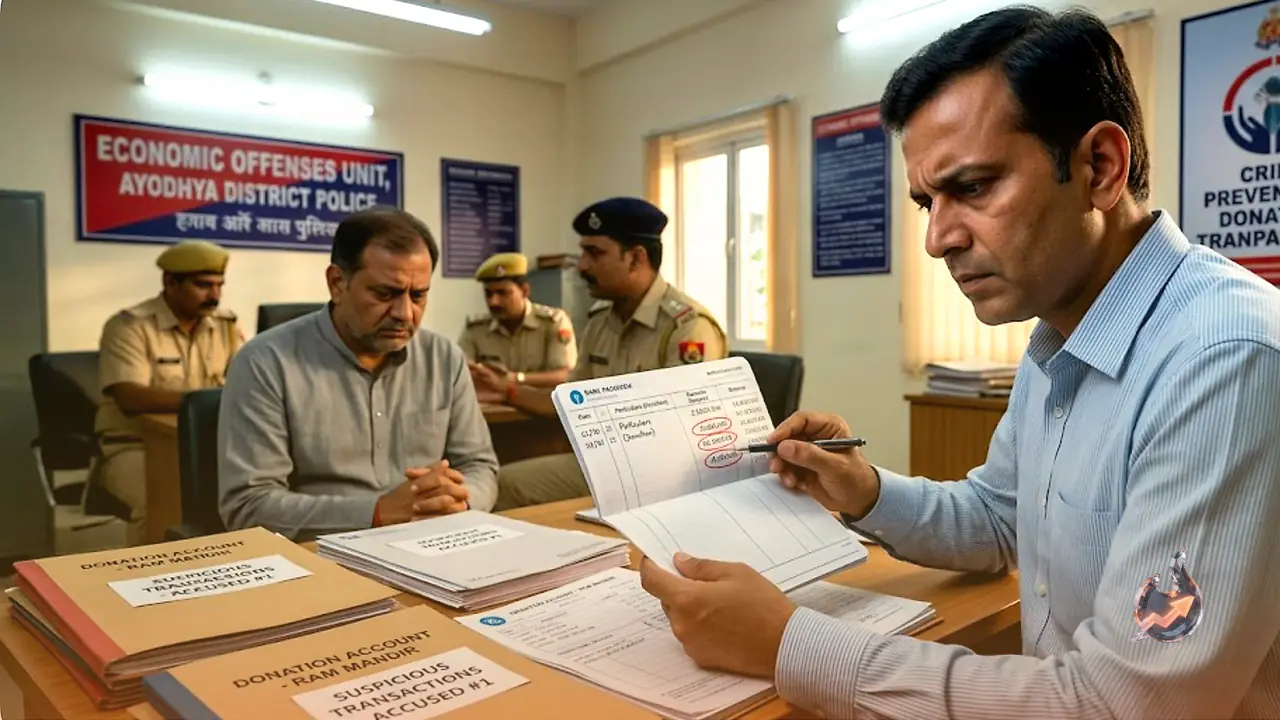
Police are now combing through the bank accounts of the arrested accused in detail. Early findings suggest the stolen money was either deposited straight into bank accounts or used to purchase property. The most striking discovery is that the accused have no credible or satisfactory explanation for the large sums sitting in their accounts. Every time they were questioned, their answers came back vague and incomplete. That is why police are now using these very bank transaction records as the basis for repeated, in depth interrogation, hoping to trace the real source of the money.
Donations jumped after the Mahakumbh, and so did the theft
The probe has also found that theft from the donation boxes was relatively modest earlier. But during and after the Mahakumbh held in Prayagraj, the amount of donations pouring into the temple multiplied several times over, and the accused began helping themselves to correspondingly larger sums. The Mahakumbh in Prayagraj ran from 13 January to 26 February 2025. During this period, a large number of devotees travelled straight from the Mahakumbh to Ayodhya to have darshan of Ramlala. As a result, Ayodhya saw massive crowds, and the Ram Mandir recorded donations at an all time high. The bigger the crowds got, the more room there was for irregularities in the counting process, and the accused took full advantage of it.
45 days of CCTV footage blew the lid off
The 45 days of CCTV footage available with the SIT captured suspicious activity by some employees while donations were being counted. The accused were identified and arrested on the strength of this footage. Investigating officers, however, believe the theft had been running for far longer than that, and that 45 days of footage alone cannot reveal the full picture. The accused also attempted to destroy older evidence, but the record of deposits in their bank accounts has now emerged as the single strongest piece of evidence against them.
Large sums had been piling up in accounts for years
The investigation has found that all 8 arrested accused had been regularly depositing large sums into their bank accounts for a long period. During questioning, they were completely unable to explain where this money came from. This has left police strongly suspecting that stolen funds were being funnelled through bank accounts over an extended period, so the money could be used without drawing suspicion.
Lapses in security protocol let the irregularities grow
The probe has also revealed that the security rules laid down for counting donations gradually stopped being followed. The key facts to emerge from the investigation are as follows:
- Rules for counting donations at the collection centre were repeatedly ignored.
- Searches conducted on employees while they moved in and out grew increasingly lax.
- Staff assigned to count the donations were initially required to wear pocketless T-shirts and trousers so cash could not be hidden on them, but even this rule eventually fell by the wayside.
The full donation management system was set up after the Pran Pratishtha
After the Pran Pratishtha at the Ram Mandir in 2024, an elaborate system was put in place for the convenience of devotees and the secure handling of donations. A total of 40 donation boxes were installed at various points across the temple complex. A collection centre was set up in the basement of the Yatri Suvidha Kendra, where the counting of donations took place. The temple trust had also laid down strict security rules for the staff working there. But the investigation has found that adherence to these rules weakened steadily over time, and some employees exploited that slackness to tamper with the donation amounts.
Did outsourced staff set the pattern in motion?
According to the investigation, when Ramlala was housed in the temporary temple, the volume of donations was limited. But once the deity was installed in the sanctum sanctorum of the grand temple, both the number of devotees and the volume of donations rose sharply. Faced with the growing workload, the bank began appointing outsourced staff to count the donations. The huge influx of devotees into Ayodhya during the Mahakumbh pushed the donation volume up even further, and around 40 employees were deployed at the time to count the offerings. Investigating agencies believe this is precisely where the irregularities took root, as the induction of outsourced staff coincided with a dip in oversight that allowed the theft to snowball over time.
For now, police and SIT teams remain focused on scrutinising the accused's bank transactions, property papers and older CCTV footage to establish exactly how far the stolen donation money travelled.