
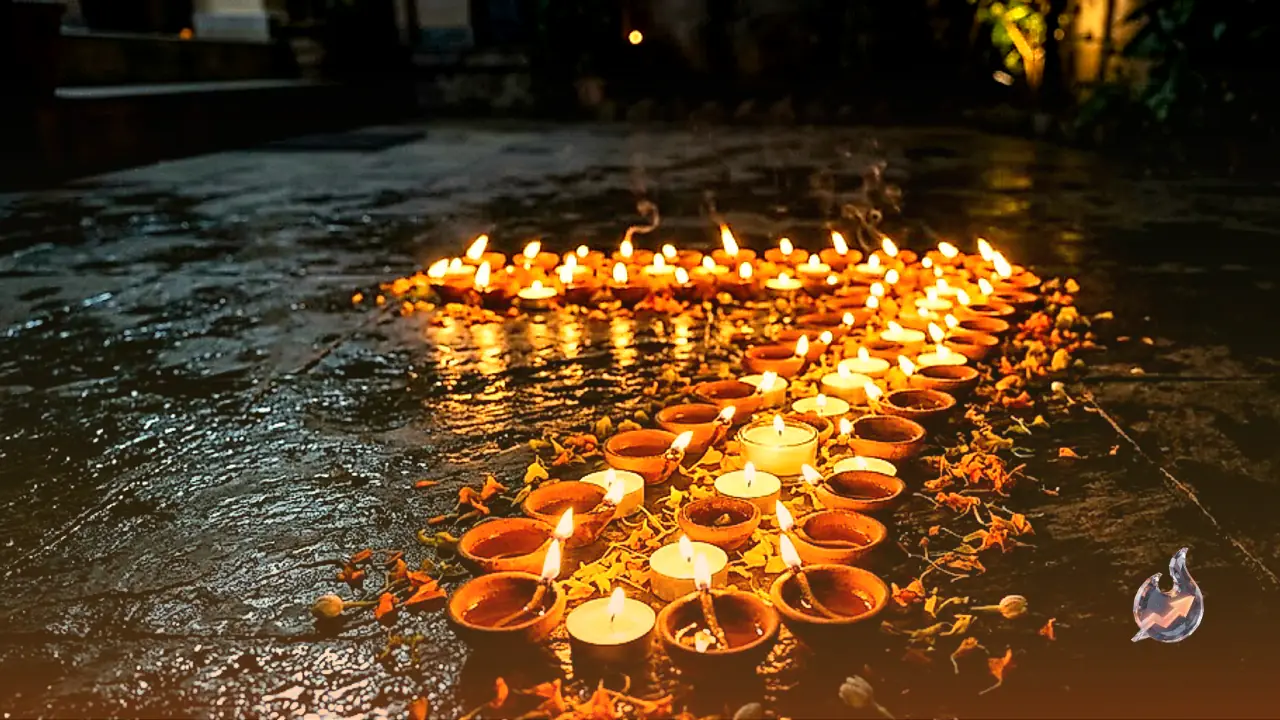





















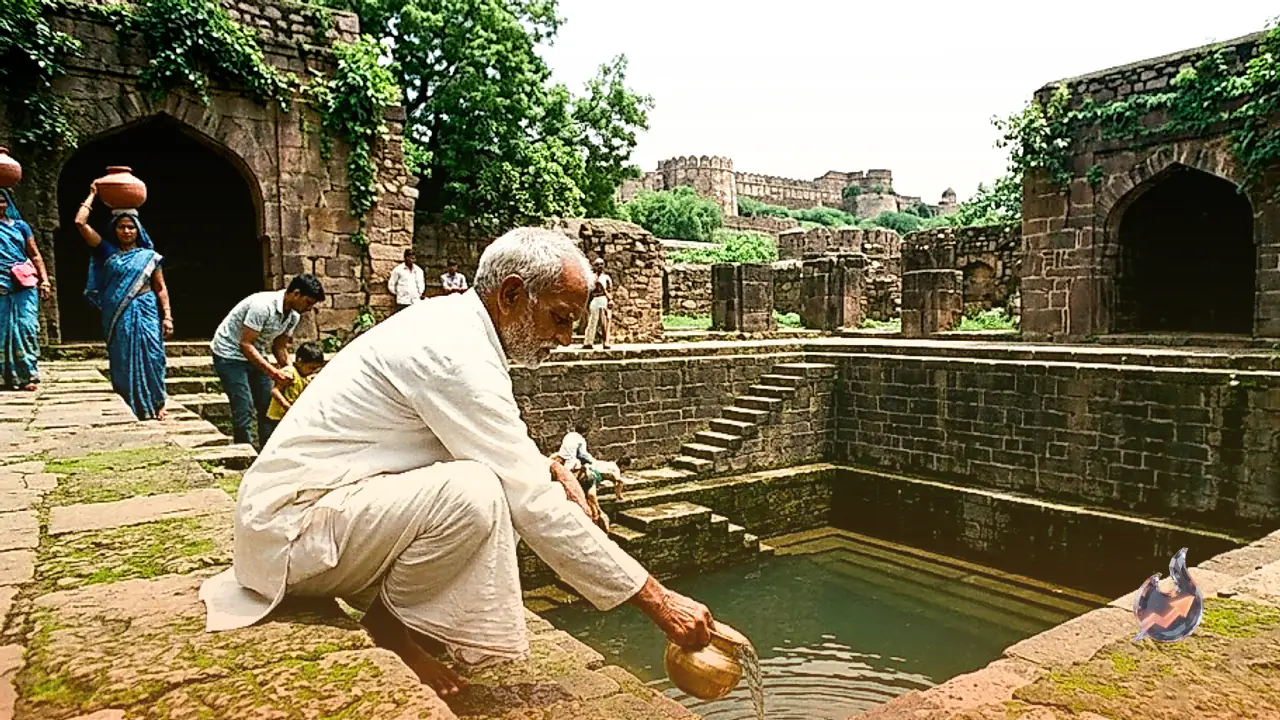

Whenever the historical city of Jhansi is mentioned, public memory almost instantaneously gravitates towards the formidable fort and legendary tales of Rani Lakshmibai. However, the foundational identity of this historic city stretches far beyond its military fortifications and royal chronicles. The early human settlements, urban development, and daily lifestyle of Jhansi were intrinsically connected to its sophisticated network of water bodies. Ancient reservoirs such as Laxmi Talab and Antiya Talab, along with the lifeline of Pahuj River and numerous heritage wells, continue to preserve the authentic narrative of an era when water management formed the backbone of civilization.
Water Resources as the Foundation of Urban Growth and Agriculture
Reflecting on the historical growth of the region, historian Dr Sunil Tiwari notes that accessible water was the single most vital prerequisite for the establishment and expansion of any ancient township. In Jhansi, traditional ponds, rivers, and deep wells were far more than mere utility facilities for collecting drinking water. They served as the central axis around which community living, agricultural productivity, trade, and regional expansion revolved. Without an engineered and dependable water supply, sustaining the population and strategic importance of the city would have been impossible.
Laxmi Talab or the Jhansi Fort: Which Came First?
Laxmi Talab, recognized as one of the prominent landmarks of the city, is documented to be around 400 years old. This considerable antiquity raises a persistent historical debate regarding the precise sequence of construction in the area. Historians frequently investigate whether Laxmi Talab predates the construction of the Jhansi Fort, or if the fortification and this massive water body were commissioned almost concurrently during the same historical epoch. Resolving this chronological puzzle depends heavily on the meticulous examination of surviving administrative archives, architectural techniques, and physical archaeological records.
The Critical Role of Antiya Talab, Pahuj River, and Ancient Wells
The historical hydrology of Jhansi was not confined to a single reservoir. Antiya Talab occupies an equally important chapter in the water security of the township, supporting nearby civilian localities across generations. Concurrently, the Pahuj River served as a perennial lifeline, fulfilling the agricultural and domestic water requirements of the urban core and surrounding rural tracts over a prolonged period. Furthermore, public masonry wells provided direct and decentralized access to clean groundwater. Among these enduring civil engineering feats, the Pachkuiyan well stands out as a prime testament to the sophisticated traditional water infrastructure of the era.
Heritage Surrounding Laxmi Talab and the Culture of Water Conservation
The historical value of Laxmi Talab is heightened by the monumental architecture standing in its immediate vicinity. Structures such as the cenotaph of Raja Gangadhar Rao and neighbouring historical edifications confirm that this lakefront was deeply woven into the administrative and royal fabric of Jhansi. These monuments prompt a broader inquiry into whether the civic culture of conserving rainwater and engineering large reservoirs took root long before the fort itself was erected. Assessing the construction timelines and architectural records of these varied water assets reveals that Jhansi's heritage encompasses not only warfare and valor, but also a profound civil engineering legacy where water security was the true prerequisite of urban existence.