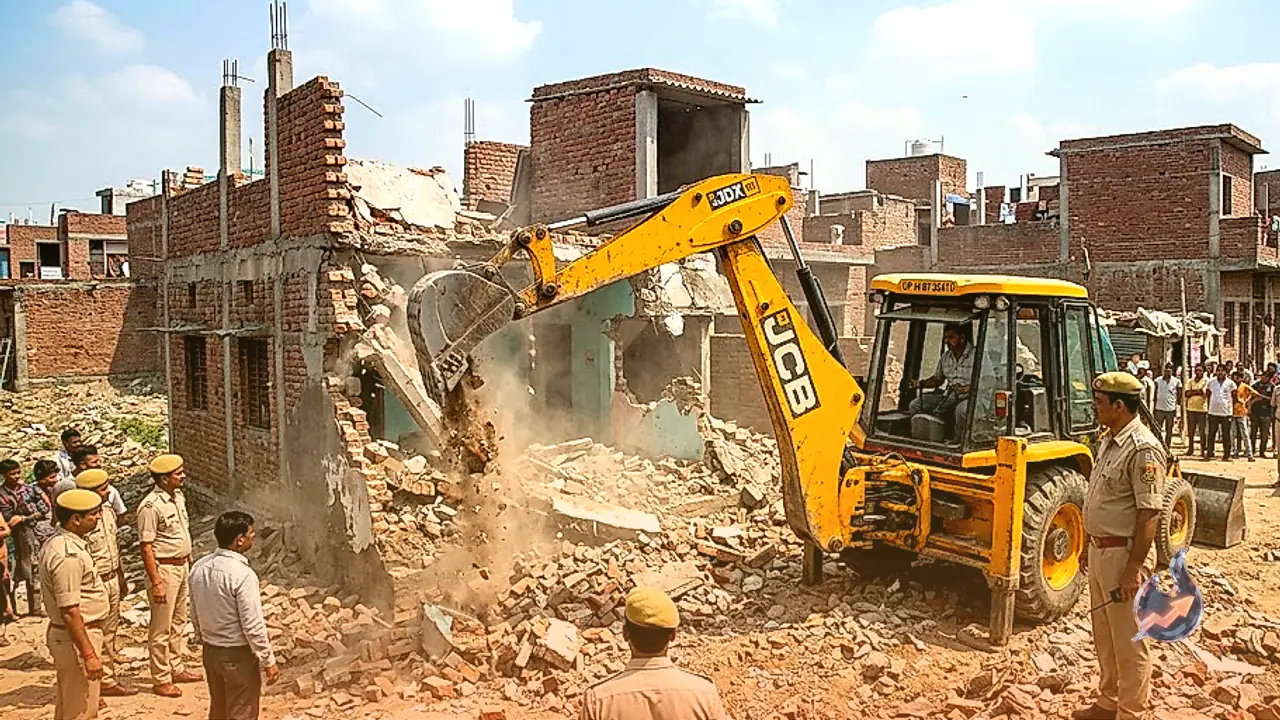

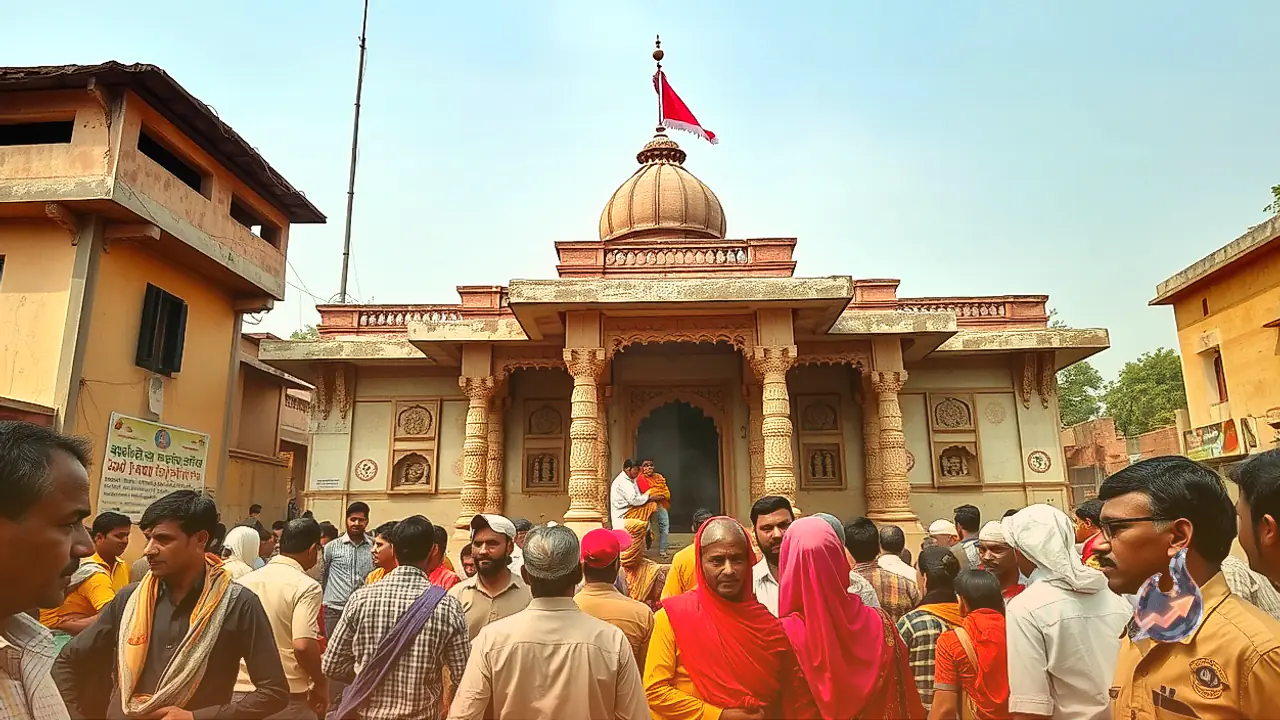














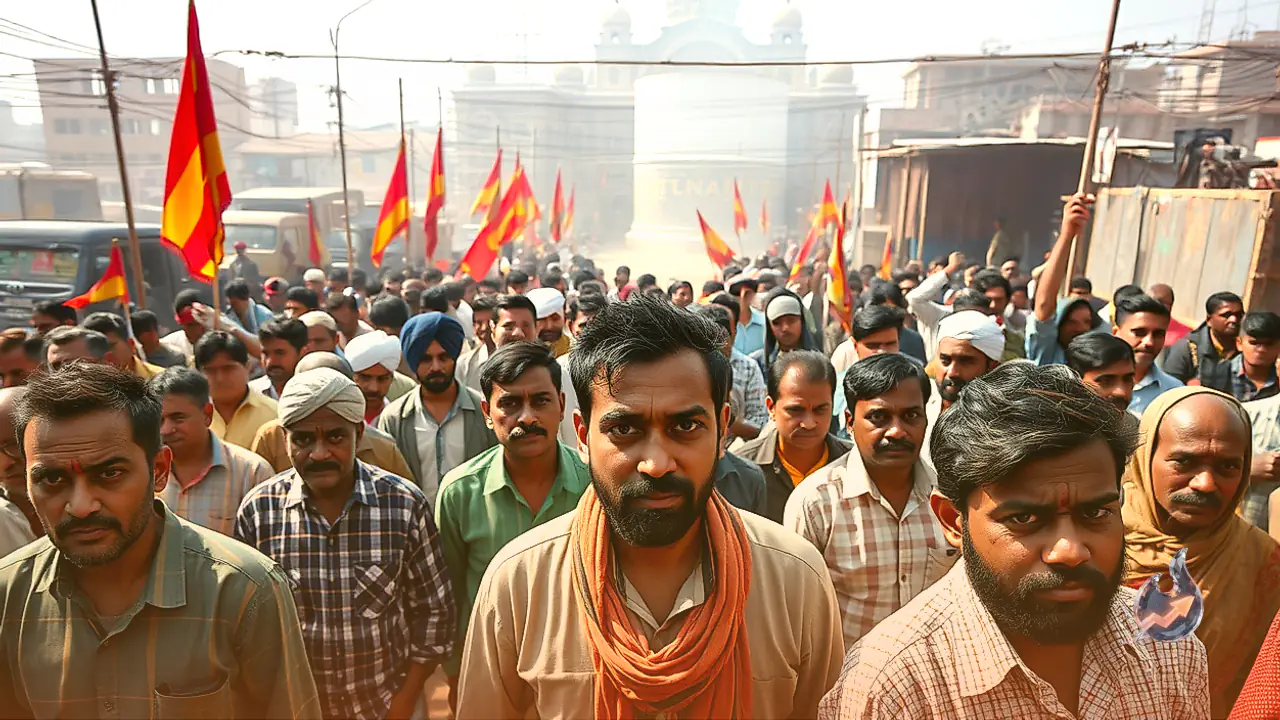

Jhansi district in Uttar Pradesh holds an enduring place in India's 1857 uprising, remembered largely for the defiance of Rani Lakshmibai, who took up arms against British rule and earned immortal renown. During that turbulent period, British colonial authorities executed her father, an act that intensified the queen's resolve and resistance. Today, the Craft Mela ground in Jhansi is widely known as a venue for commercial fairs and public gatherings, yet local heritage connects this site to a sorrowful chapter in the royal household's journey.
The Execution of Moropant Tambe
According to regional historical accounts, the Craft Mela ground marks the spot where British forces hanged Rani Lakshmibai's father, Moropant Tambe. Historian Hargovind Kushwaha notes that Tambe maintained deep ties with Jhansi. Following his daughter's arrival in the city after her marriage, he chose to relocate there permanently, staying closely involved in the events that followed.
The Journey from Manikarnika to Queen of Jhansi
Born Manikarnika and affectionately known as Manu during her childhood, she grew up in Bithoor, where she received rigorous training in horsemanship and martial weaponry. In 1842, she married Maharaja Gangadhar Rao of Jhansi. Following her marriage, she took the name Lakshmibai and assumed her role as the Rani of Jhansi. Her father, Moropant Tambe, subsequently settled in the kingdom to be near his daughter.
The Conflict of 1857 and Capture in Datia
The situation escalated sharply in 1857 when British forces launched an assault on Jhansi. Facing intense pressure, Rani Lakshmibai made a tactical departure from the fort, advancing toward Kalpi and eventually marching on to Gwalior. During this chaotic campaign, Moropant Tambe was apprehended by the colonial authorities. Historical records state that he was captured in Datia and subsequently executed by the British administration.
A Shared Legacy of Sacrifice
The local recognition of the Craft Mela ground as Tambe's execution site ties an otherwise modern exhibition area directly to the memories of 1857. Shortly after his death, on June 18, 1858, Rani Lakshmibai was killed in action while fighting British troops in Gwalior. Both father and daughter gave their lives in the same anti-colonial struggle, sealing Jhansi's place in the history of India's independence movement.