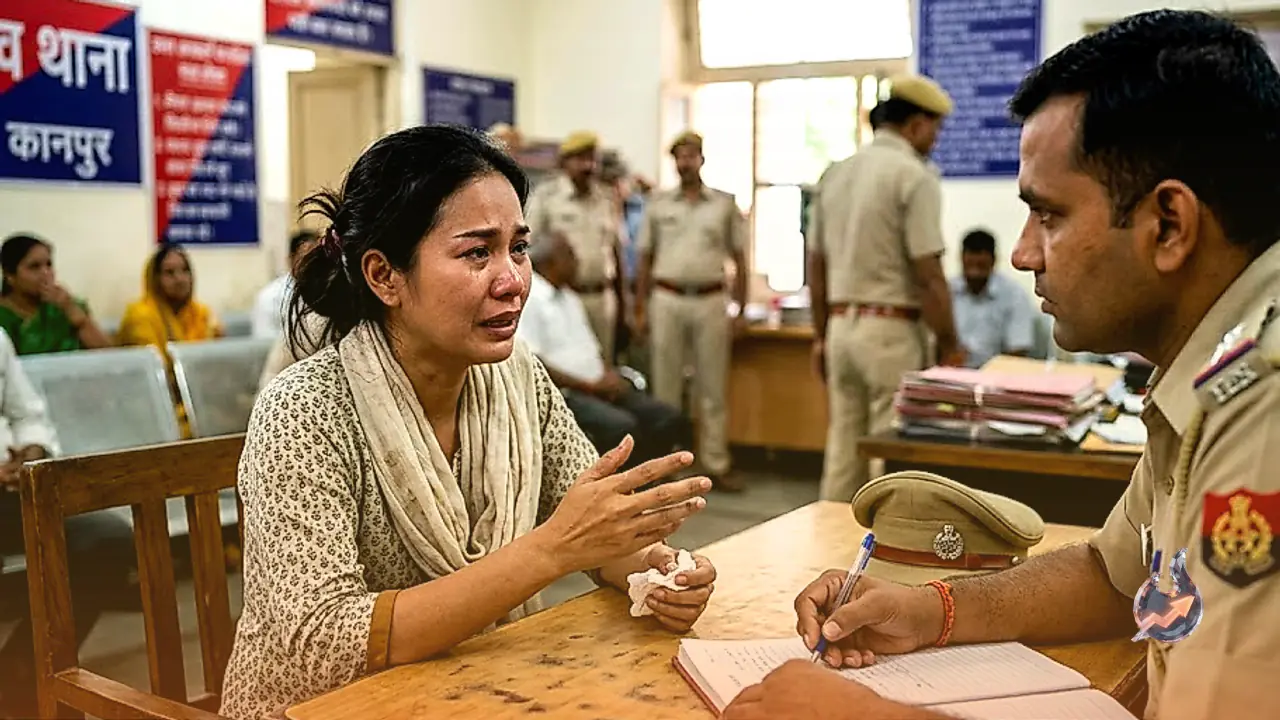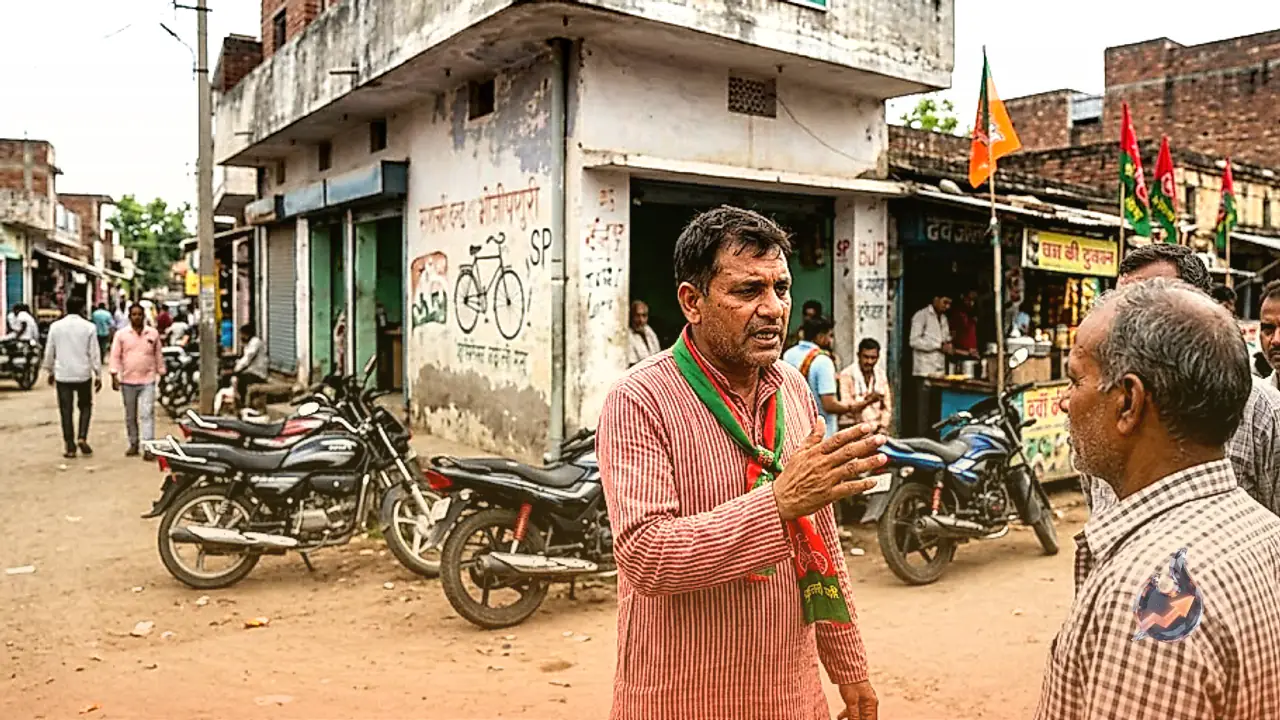

















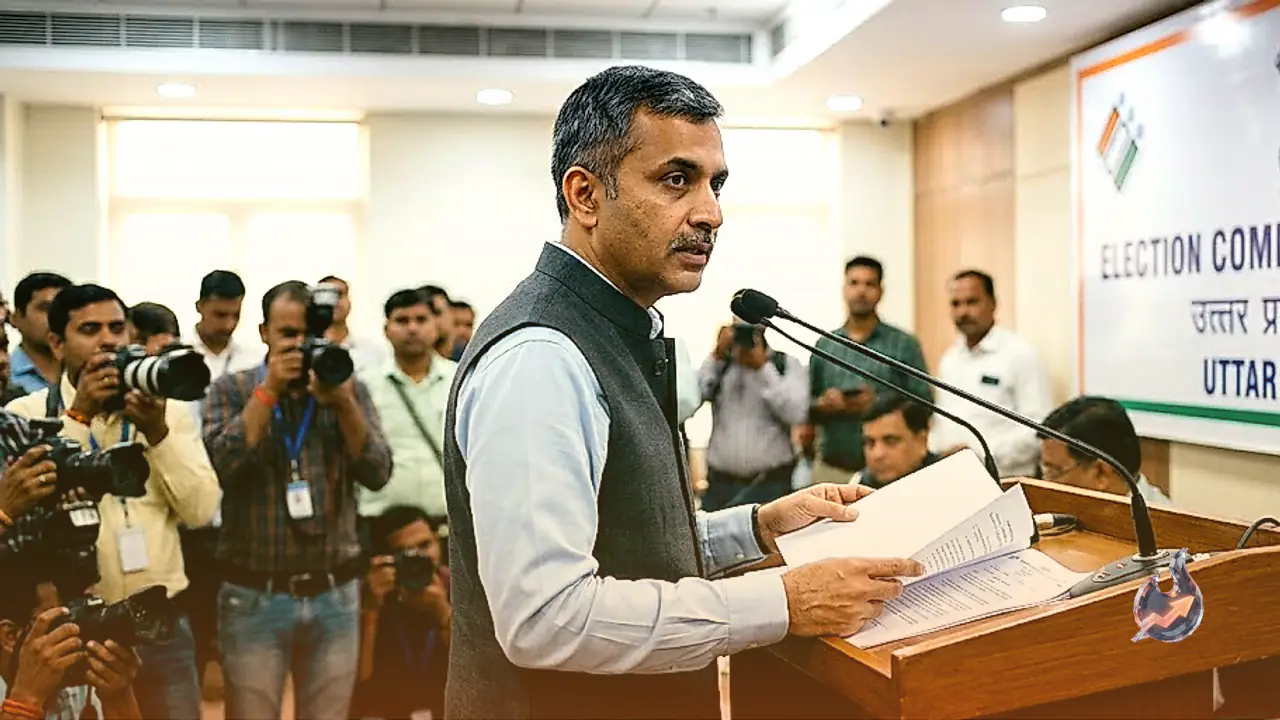

Electoral authorities in Uttar Pradesh have stepped forward to debunk viral online assertions alleging irregularities in the state voter registration records. Chief Electoral Officer Navdeep Rinwa issued a detailed clarification dismissing viral social media claims that 16.18 lakh mysterious voters were illicitly slipped into the electoral roll during Special Intensive Revision (SIR)-2026. The chief electoral officer categorized the narrative as completely baseless, misleading, and founded on erroneous assumptions, emphasizing that the entire revision drive was conducted in strict adherence to the Representation of the People Act 1950, the Registration of Electors Rules 1960, and guidelines mandated by the Election Commission of India.
Form 6 Collection Completed During House-to-House Enumeration
Providing operational clarity on the numbers cited in online debates, Navdeep Rinwa explained the chronological steps of the revision exercise. Ahead of the draft electoral roll publication scheduled for 06-01-2026, election personnel carried out an extensive enumeration phase from 27-10-2025 to 06-01-2026. During this intensive period, Booth Level Officers (BLOs) conducted house-to-house visits across assigned jurisdictions, distributing enumeration schedules alongside blank Form 6 documents designed for adding eligible voters.
These actions stemmed from official directives issued by the Election Commission of India on 27-10-2025 governing the execution of the Special Intensive Revision in Uttar Pradesh as well as other states. Because approximately 16.18 lakh eligible residents were not enrolled in the voter lists existing as of 27-10-2025 when the SIR-2026 exercise commenced, their pre-printed enumeration schedules could not be generated in advance. Consequently, BLOs physically handed out Form 6 applications to these eligible citizens during home visits and gathered the completed forms back for verification, accounting for the 16.18 lakh total.
Statutory Requirements for Form 9 Display on CEO Portal
Addressing allegations that voter identities were suppressed or deliberately withheld from the public domain, the chief electoral officer detailed the framework established by the Registration of Electors Rules 1960. Under established statutory protocols, only those Form 6 additions received during the formal claims and objections window that opens after the publication of the draft voter list on 06-01-2026 are required to be compiled into Form 9 and uploaded onto the official website of the Chief Electoral Officer, Uttar Pradesh.
The administration reaffirmed that no statutory statutes, regulations, or commission mandates were breached during this operational sequence. Clarifying routine technical workflows, Rinwa pointed out that during every annual summary revision, the electoral database on ERO-Net is frozen according to a set schedule prior to releasing the draft roll. Consequently, applications received shortly before draft publication may remain unprocessed or unreflected in the draft roll due to frozen roll updates. These pending submissions are thoroughly examined and addressed during the subsequent claims and objections timeframe before final publication.
No Arbitrary Formulas for Approval and Full Political Scrutiny
Rinwa also countered circulating theories concerning the percentage of Form 6 applications approved, terming such conjectures arbitrary and devoid of logical substance. He affirmed that there is no predefined mathematical quota or rigid target determining acceptance rates. Instead, every single Form 6 undergoes mandatory statutory verification procedures, and applications meeting legal eligibility parameters are approved on individual merit.
The chief electoral officer highlighted that the Special Intensive Revision-2026 in Uttar Pradesh was executed in a thoroughly transparent, participatory manner with direct involvement from all recognized political parties. Rinwa noted that till date, no registered political party or individual stakeholder has lodged any formal allegation or objection questioning the legitimacy of this specific revision process.