





















A disturbing rise in violent assaults involving knives and sharp edged weapons has once again raised alarms across the coaching hub of Kota in Rajasthan. Even as law enforcement authorities conduct targeted crackdowns and seize stashes of blades, the streets have not seen an end to these volatile altercations. The gravity of the situation is evident from the fact that approximately half a dozen knife attacks took place over the span of just one week, claiming the life of one young man and leaving multiple individuals wounded.
The broader crime data paints a troubling picture of public safety across the urban center. Figures show that close to 100 stabbing incidents have occurred in Kota this year alone, causing injuries to more than 110 people. Furthermore, fatal wounds sustained from knives and similar sharp instruments have led to the deaths of more than half a dozen individuals over the same timeframe. Curbing the growing impulse among local youth to carry concealed blades and brandish them during disputes has emerged as a formidable task for the police administration.
Targeted Raids Under Operation HAWK
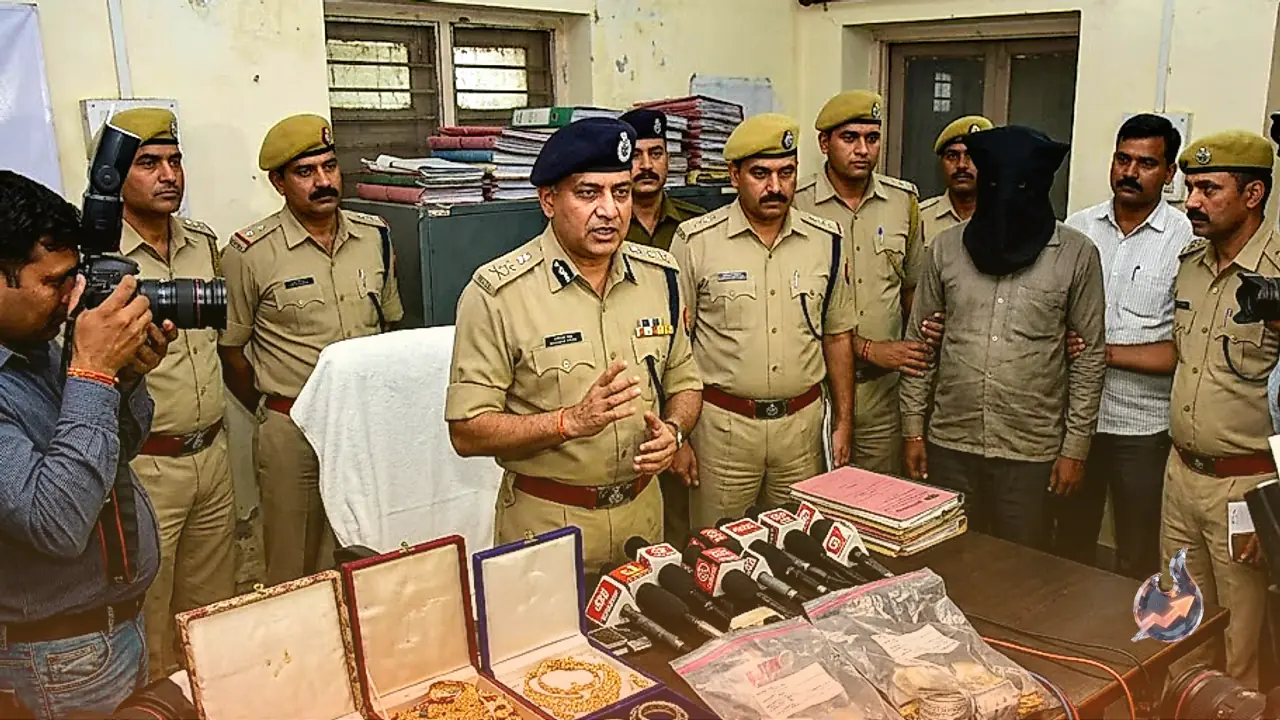
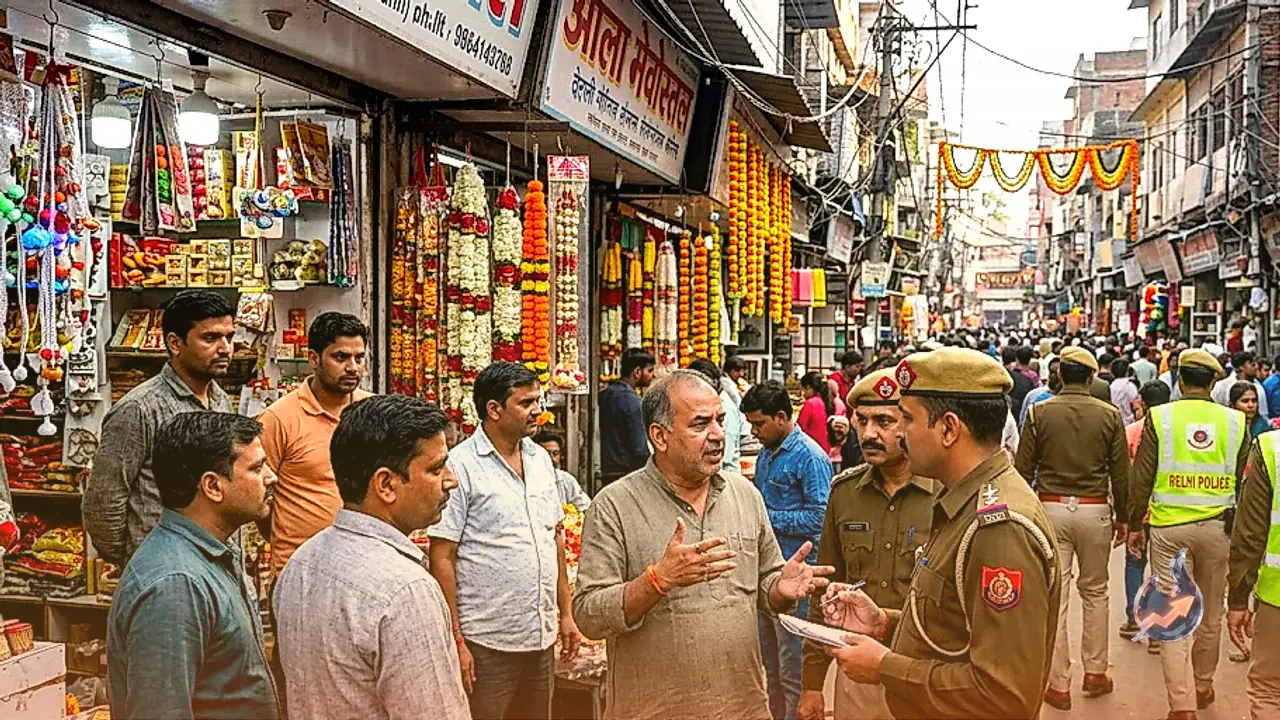
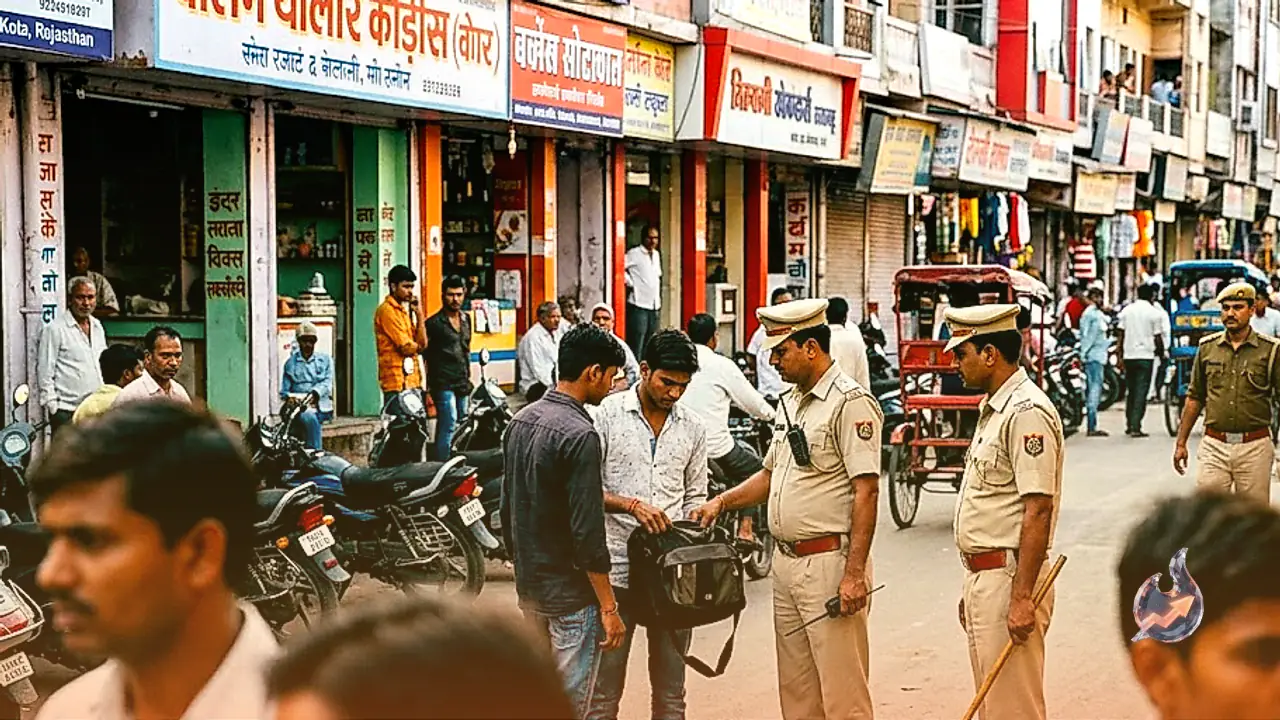
To confront the widespread presence of illegal blades, city police rolled out a focused campaign designated as Operation HAWK. Nine specialized police teams were assembled and deployed across various police station jurisdictions to track suspects and conduct searches. Over the course of the drive, officers apprehended more than two dozen criminal elements and recovered a substantial volume of sharp weapons, including knives.
City Additional SP Subhash Chandra Mishra explained that the prime objective of the crackdown is to act sternly against anyone in possession of unlicensed weapons. The directive also seeks to disrupt the manufacturing, commercial sale, and street use of knives and other pointed weapons. While police officials maintain that strict measures against lawbreakers will continue unabated, the steady occurrence of fresh attacks has cast doubt on the deterrence created by such policing initiatives.
One City Accounts for Over a Third of State Figures
The concentration of such assaults in Kota represents an unusually high proportion of the regional total, with the city accounting for an estimated 30 to 35 percent of all knife related crimes reported across Rajasthan. On average, the urban center logs over 100 stabbing occurrences every single year. These yearly episodes typically leave 120 to 125 victims injured and claim between 8 and 10 lives. The current year has followed a similarly grim trajectory, already witnessing around 100 altercations, upwards of 110 injured citizens, and more than six fatalities. This recurring violence has fostered a palpable sense of unease among residents, while prompting scrutiny of existing crime deterrence strategies.
Roots of the Blade Culture Trace Back to 1959
Historical police records indicate that blade violence has long plagued the locality. As far back as 1959, official police diaries explicitly documented street knife violence as an entrenched civic challenge. According to local historical accounts, the trend traces back to the princely state period when the Nawab of Rampur from Uttar Pradesh visited Kota accompanied by personal bodyguards. The distinctive knives carried by the entourage subsequently earned widespread notoriety as Rampuri knives.
While local youths initially practiced handling the blades under the guise of self defense training, the practice gradually took a destructive turn. The implements soon turned into instruments for intimidation, issuing threats, and unleashing physical assaults. Over the decades, carrying a folding blade transformed into an aggressive status symbol among antisocial elements and delinquent circles.
Resurgence of a Troublesome Pattern
A few years ago, a spike in knife assaults in Kota had similarly triggered nationwide discussions regarding urban safety. While a temporary dip in attacks followed subsequent crackdowns, the recurrence of violence suggests that the troubling trend is surfacing once again. With homicides and grievous assaults continuing to disrupt everyday life, the decisive test remains whether the deployment of nine teams under Operation HAWK can permanently sever the illicit supply and use of blades.