




















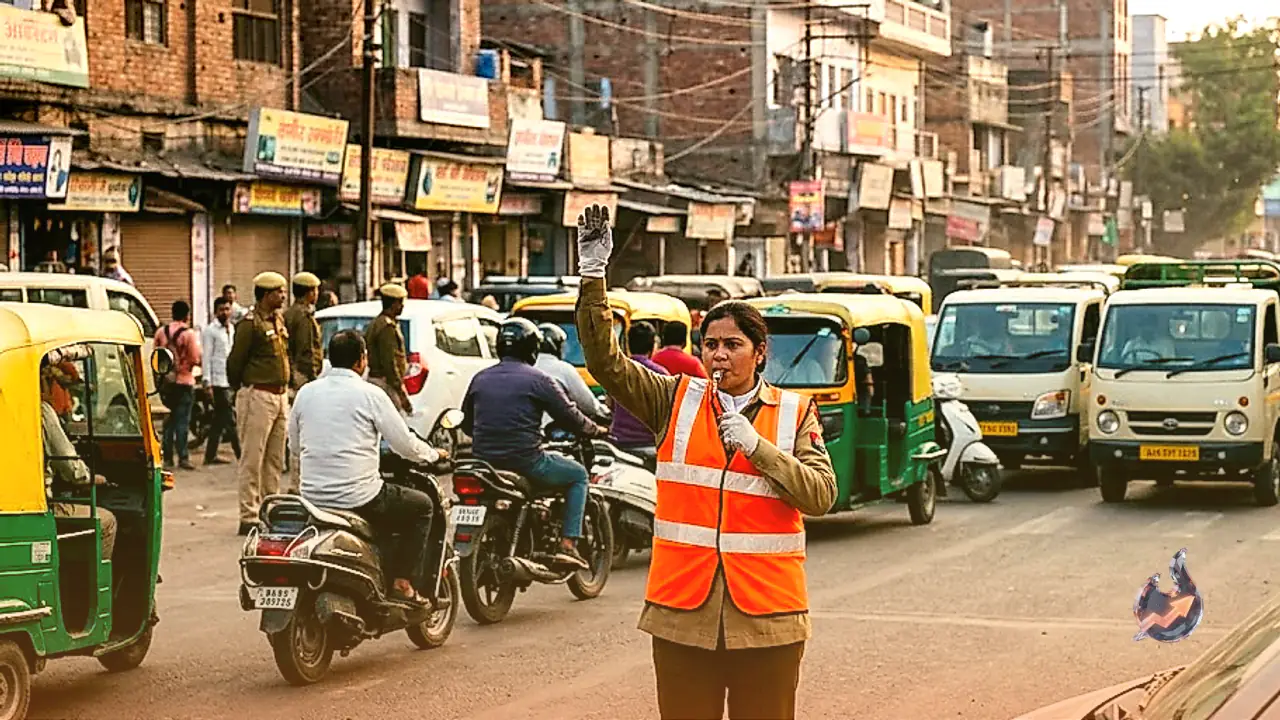

To address the persistent and frustrating problem of traffic congestion in Kanpur, the traffic police department has formulated and launched a comprehensive operational plan. Kanpur’s busy streets and high volume of vehicles have long caused significant delays for commuters. Under this new initiative, specialized traffic marshals are being actively deployed across 14 of the city's most congested and bottleneck-prone routes. Along with these marshals, additional police forces have been stationed at major intersections. The primary objective of this move is to maintain a continuous, uninterrupted flow of vehicular movement, thereby preventing commuters from spending agonizing hours trapped in traffic jams during peak hours.
Routine Monitoring and Strategic Oversight
DCP Traffic Ravindra Kumar emphasized that this new system will undergo continuous and rigorous monitoring, with adjustments being made dynamically based on ground-level requirements. To ensure the effectiveness of this plan, the DCP is personally conducting on-site inspections at various intersections three days a week. Any flaws or gaps in the traffic management setup identified during these visits will be rectified immediately. The city zones that experience the heaviest vehicular pressure on a daily basis include Ramadevi, Bada Chauraha, Ghantaghar, Jarib Chowki, Naubasta, and Tatmill. Authorities have stated that their goal is not merely to clear existing gridlocks, but to make the overall commuting experience safer, easier, and more reliable for everyone.
The Persistent Bottleneck at Tatmill Crossing
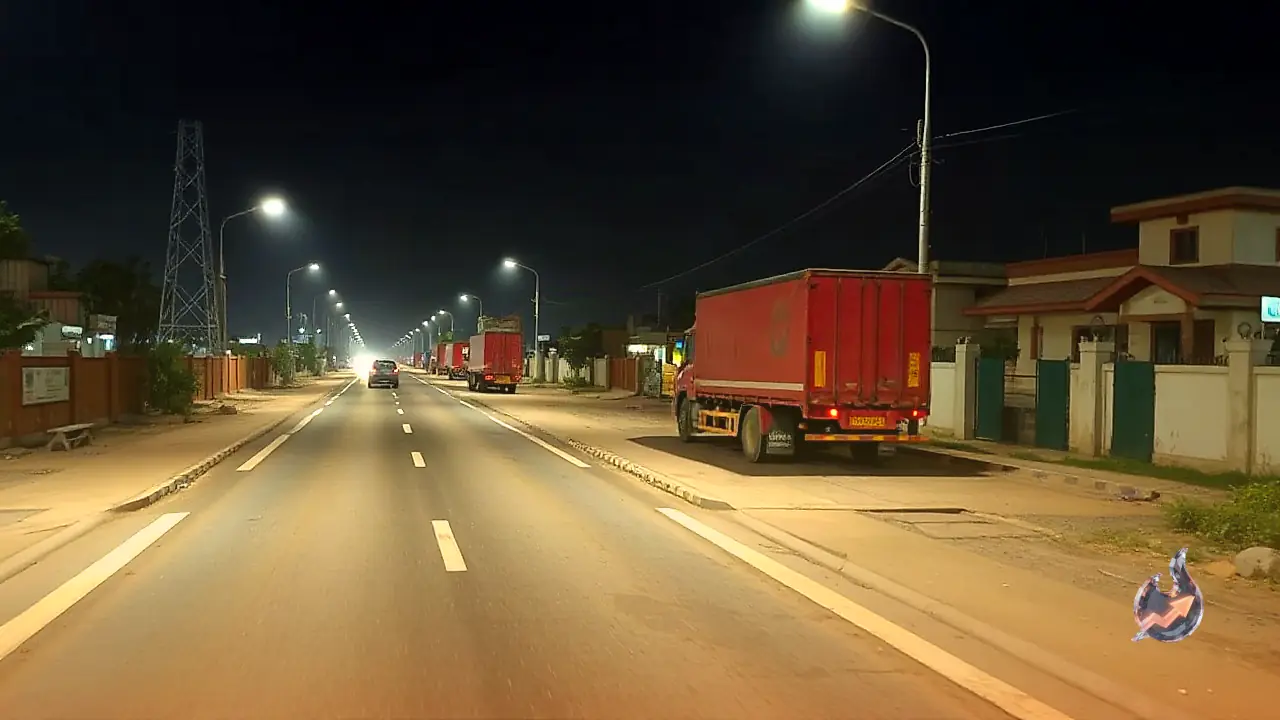
Among the various high-traffic zones, the Tatmill intersection remains one of the most formidable challenges for the administration. Local residents and regular commuters report that buses are frequently parked haphazardly on the bridge near the Jhakarkati bus stand, which completely chokes the flow of incoming traffic. This obstruction causes severe difficulties for passengers rushing to catch trains or long-distance buses. Addressing this issue, DCP Traffic Ravindra Kumar revealed that over the past month, the department has penalized approximately 8,000 buses for parking illegally on the road and disrupting the traffic flow. He noted that multiple letters have been sent to roadways officials detailing the situation, but the expected improvements have not yet materialized. In contrast, Roadways Regional Manager Mahesh Kumar suggested a different approach, stating that if the timing of the traffic signals at the Tatmill intersection is reduced, it could significantly alleviate the buildup of vehicles and ease the overall congestion.
Measures Against Encroachment and New Transit Directives
To keep the city’s roads clear of obstructions, the traffic police have also rolled out several administrative measures. In commercial hubs like Jarib Chowki and Ghantaghar, ropes have been tied in front of shops to physically demarcate boundaries and prevent shopkeepers from encroaching onto the streets. In densely populated areas such as Rawatpur, Gol Chauraha, and Kalyanpur, a new system has been implemented for e-rickshaws and auto-rickshaws. Their designated stands have been relocated to a distance of at least 100 meters away from the main crossings to prevent them from blocking the intersections. Additionally, street vendors and handcarts have been cleared from highly congested junctions to maximize the available road space. The department has also introduced strategic diversions and established new turns at various points to distribute the traffic load more evenly. Traffic officials believe that once the ongoing construction work at the Jhakarkati bus stand is completed and full-scale bus operations commence from the Signature City bus stand, the influx of heavy buses into the inner city will decrease drastically. The administration remains highly optimistic that these combined steps will bring long-awaited relief to Kanpur's residents.