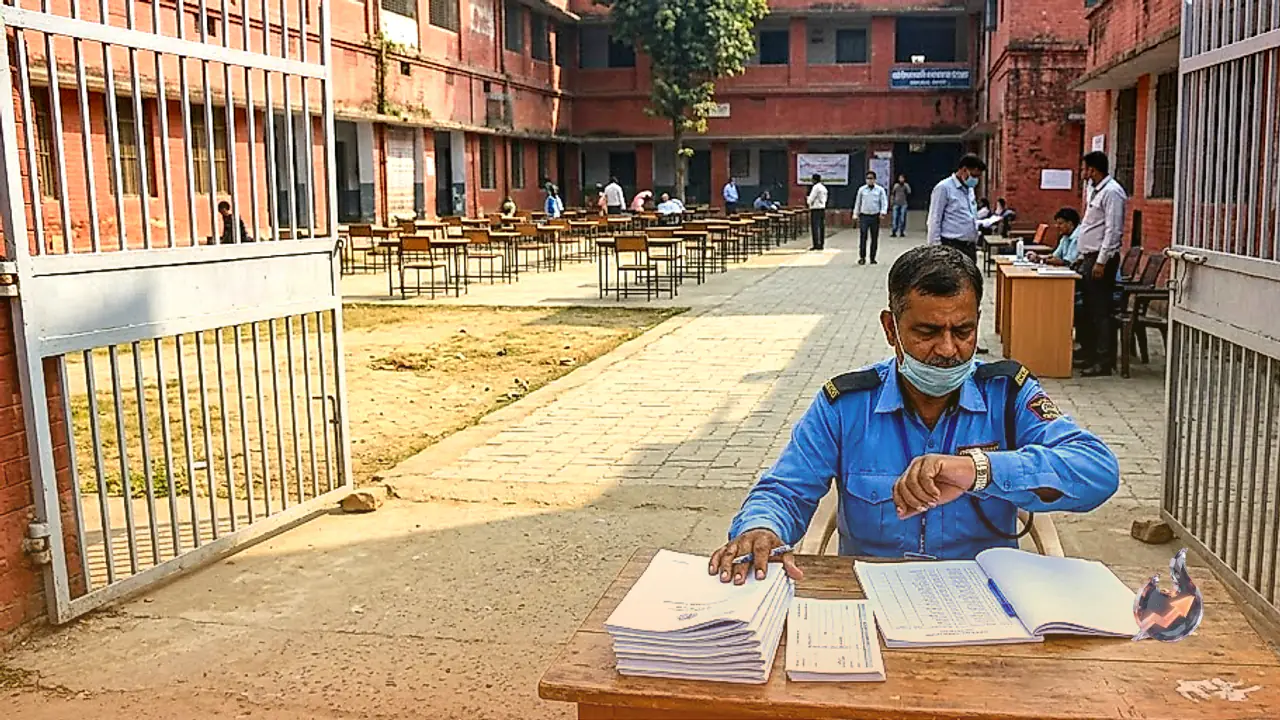






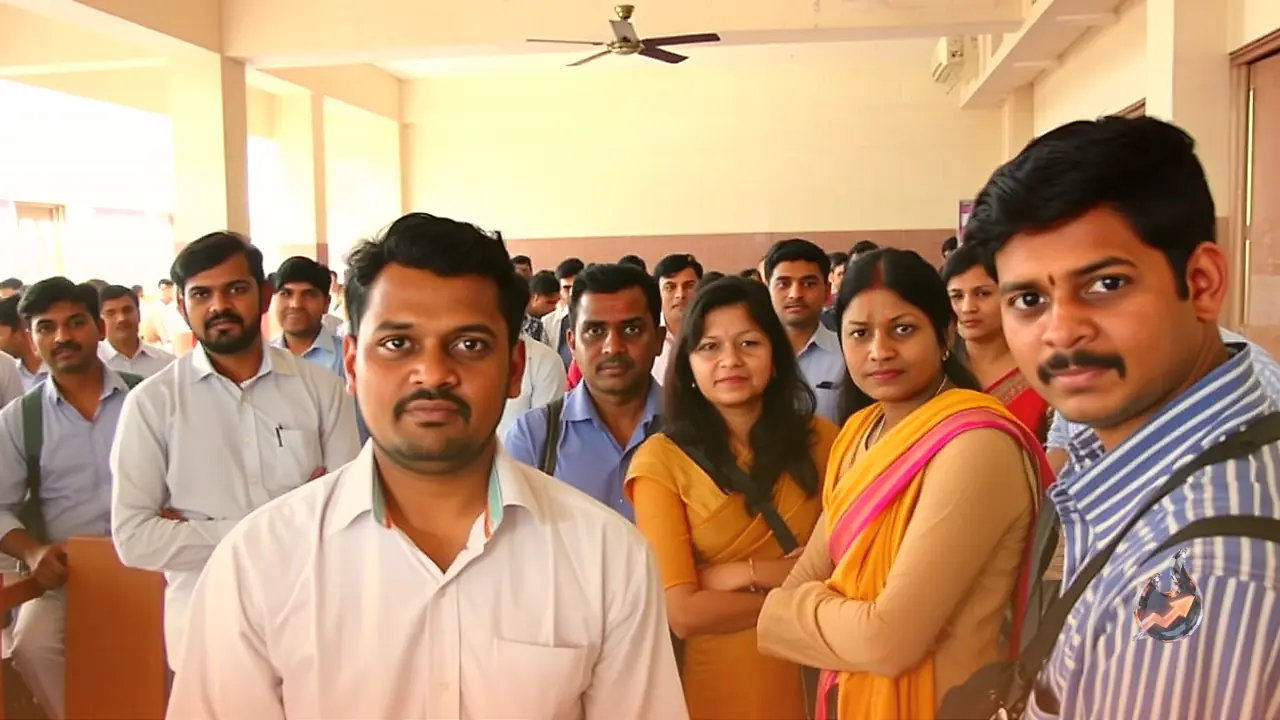















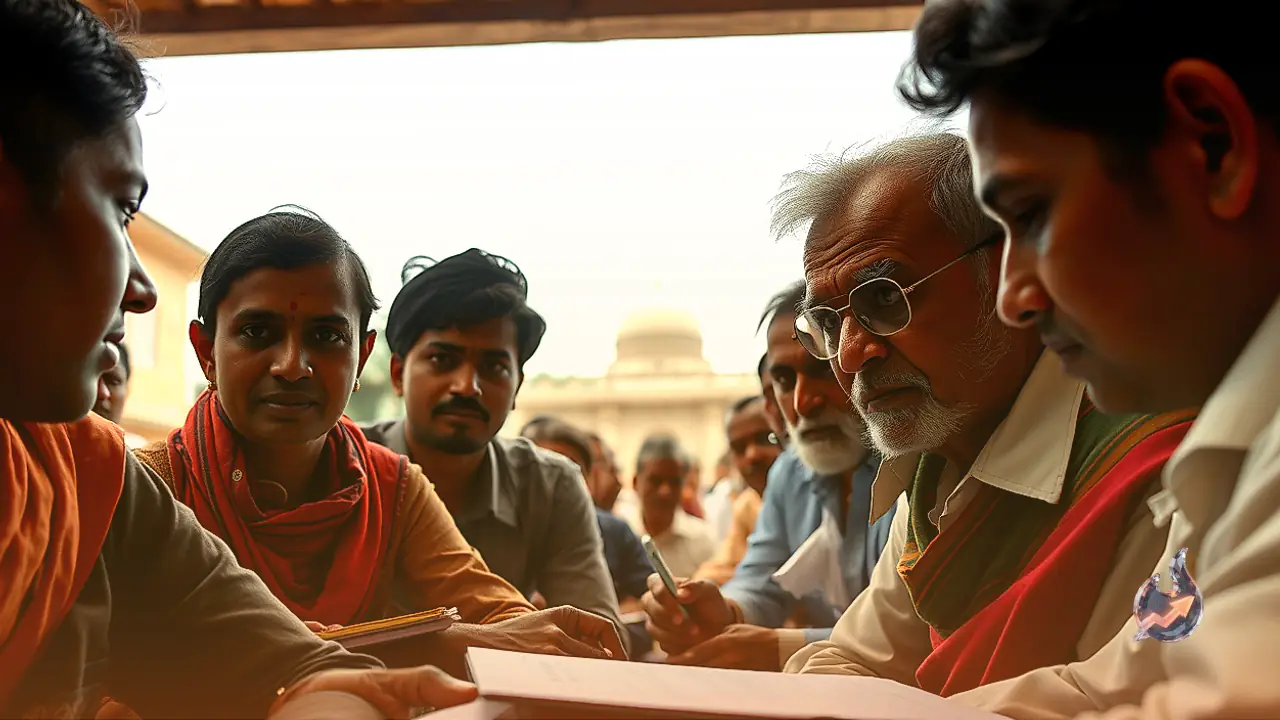

Every year on October 2, the nation marks Gandhi Jayanti by paying floral tributes at memorials and revisiting solemn pledges of non-violence and cleanliness. Yet beyond symbolic ceremonies, the contemporary educational landscape presents an alarming reality that demands urgent reflection. Across the country, aspiring students preparing for high-stakes competitive examinations such as the National Eligibility cum Entrance Test, known as NEET, and the Joint Entrance Examination, known as JEE, are enduring unprecedented levels of academic pressure. In distressing numbers, young candidates lose their lives to acute anxiety, highlighting how pressing and indispensable Mahatma Gandhi's educational principles have become for the current generation.
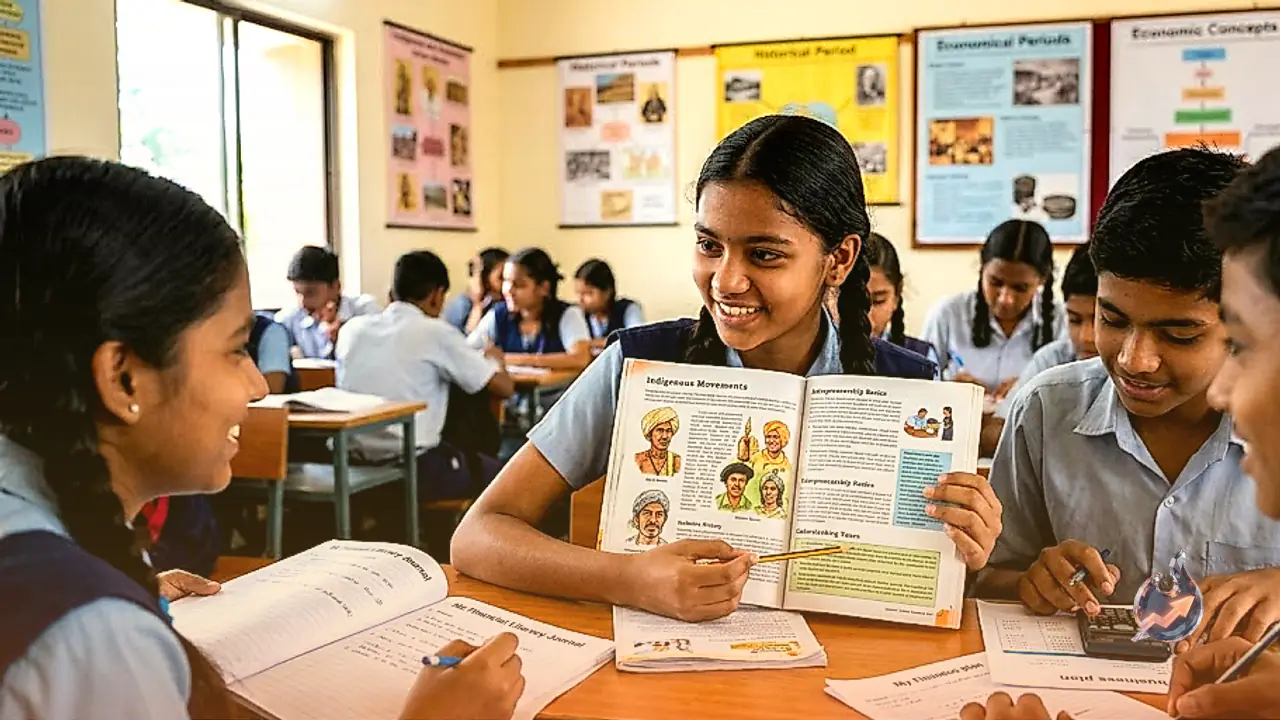
The prevailing Indian academic structure has largely devolved into an unyielding race. From an early age, children are burdened with school bags and thrust into a relentless cycle of academic competition. Crushed between board examination percentages, coaching institute mock tests, and nationwide ranking metrics, students frequently lose sight of what learning is genuinely meant to achieve. Education cannot merely be a mechanism for securing corporate positions with massive salaries. Its ultimate objective must be the cultivation of capable, empathetic, and resilient human beings. Mahatma Gandhi recognized well before independence that any educational framework anchored solely in rote memorization and textbook regurgitation would hollow out society from within. Consequently, during the Wardha conference in 1937, he articulated his comprehensive vision of Nai Talim, also known as Basic Education, grounded firmly in experiential learning, practical manual crafts, and profound respect for the mother tongue.
The Growing Gap Between Paper Degrees and Moral Resilience
Today's society finds itself in a paradoxical situation where degrees and credentials accumulate in massive numbers, yet core personal foundations continue to erode. Many students emerging from modern academic institutions lack essential ethical grounding as well as the practical resilience required to confront life's inevitable obstacles. The vulnerability of young people sliding into severe depression over lower test scores underscores the timeless wisdom of the Mahatma. He maintained that mere literacy does not constitute the culmination of true education. Instead, it serves as nothing more than an initial medium through which knowledge is accessed. For him, authentic education involves the balanced and harmonious development of an individual's body, mind, and spirit, drawing out the finest attributes latent within human character.
Rote Memorization Against Holistic Character Building
While Mahatma Gandhi placed fundamental emphasis on character building, modern educational infrastructure rests almost exclusively on examination marks and percentiles. To secure fractional advantages in intensely competitive portals such as NEET, the Union Public Service Commission, known as UPSC, or JEE, candidates spend years confined to small study rooms memorizing data points. In this mechanical struggle, ethical discernment, mental composure, and original critical thinking are relegated to the background. His teachings provide a stark assessment of this trend, reminding educators that conferring formal qualifications while neglecting human empathy represents an institutional failure of the highest order.
Parallels Between Basic Education and Current Educational Reforms
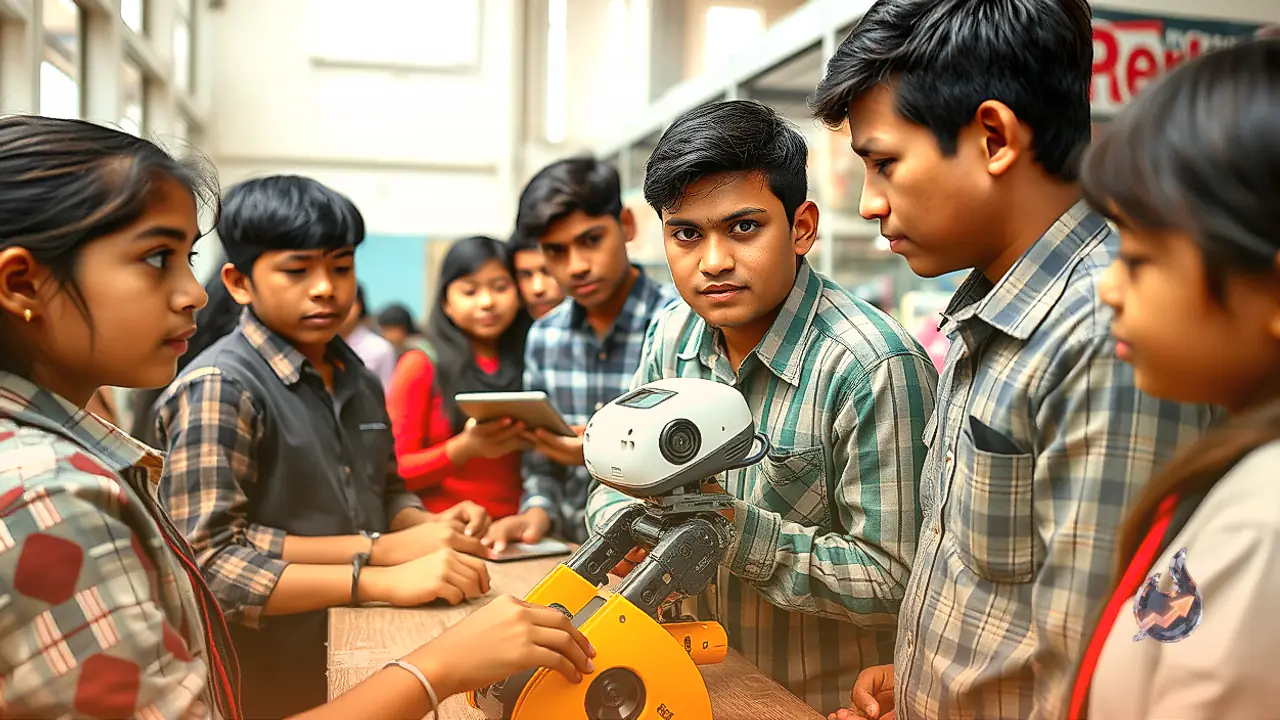
The pragmatic educational philosophy formulated by Mahatma Gandhi decades prior to Indian independence retains remarkable relevance in modern policy discussions. Contemporary educational frameworks, such as the National Education Policy 2020, also known as NEP 2020, place significant focus on vocational training, skill development, and bagless school days. The fundamental groundwork for these modern initiatives was established long ago through the principles of Nai Talim. His core objective was to ensure that alongside academic literature, every child masters a functional craft, fostering genuine self-reliance and dignity of labour. As public debates intensify over youth unemployment and the mismatch between classroom syllabi and workplace requirements, the Gandhian model offers clear guidance. Education must maintain direct ties with ground reality rather than remaining isolated within air-conditioned coaching centres.
Dismantling the Coercive Burden of Numerical Rankings
Rather than treating commemorative dates as routine civic formalities, families and educational authorities must actively work to lift the crushing burden of academic expectations from young minds. Both parents and institutions need to recognize that an unfavorable test result does not signal the end of a person's life journey. The life of Mahatma Gandhi demonstrates that true human greatness emerges from learning through mistakes and overcoming setbacks, not merely from attaining the top position on a merit list. Honouring his legacy requires transforming the examination architecture into a flexible, supportive environment where students pursue education with curiosity and joy rather than dread and compulsion.