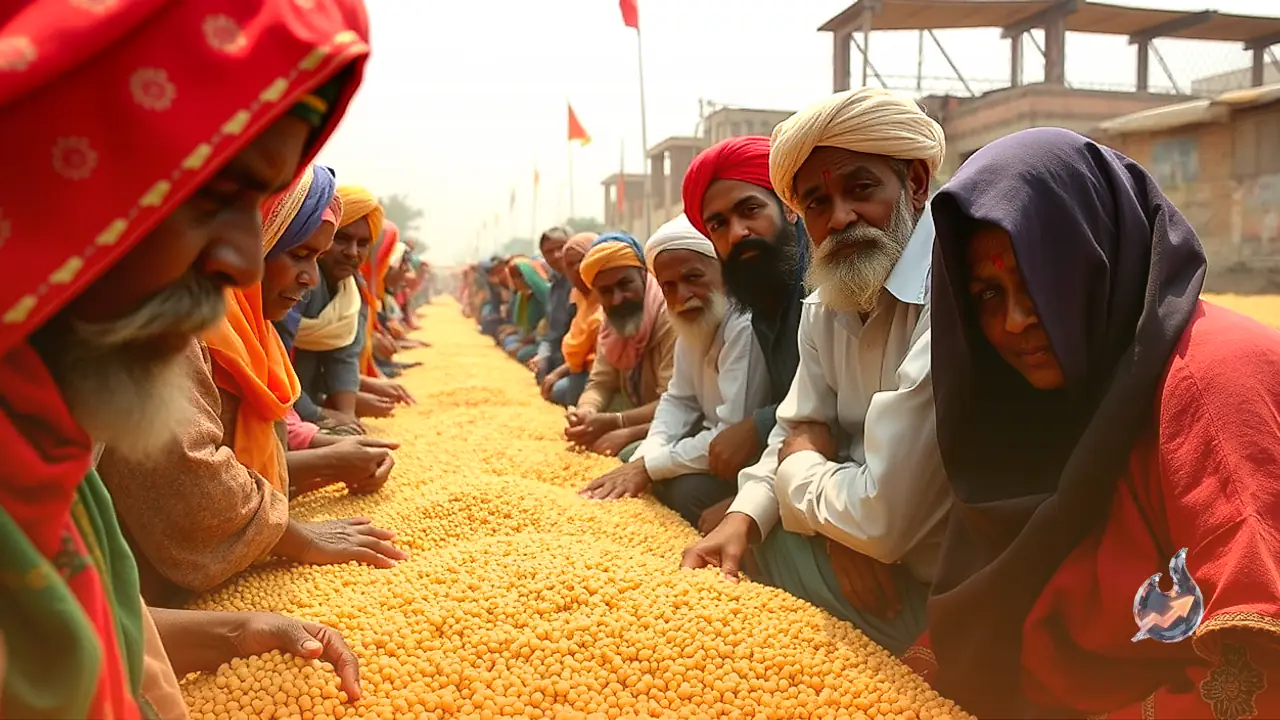





















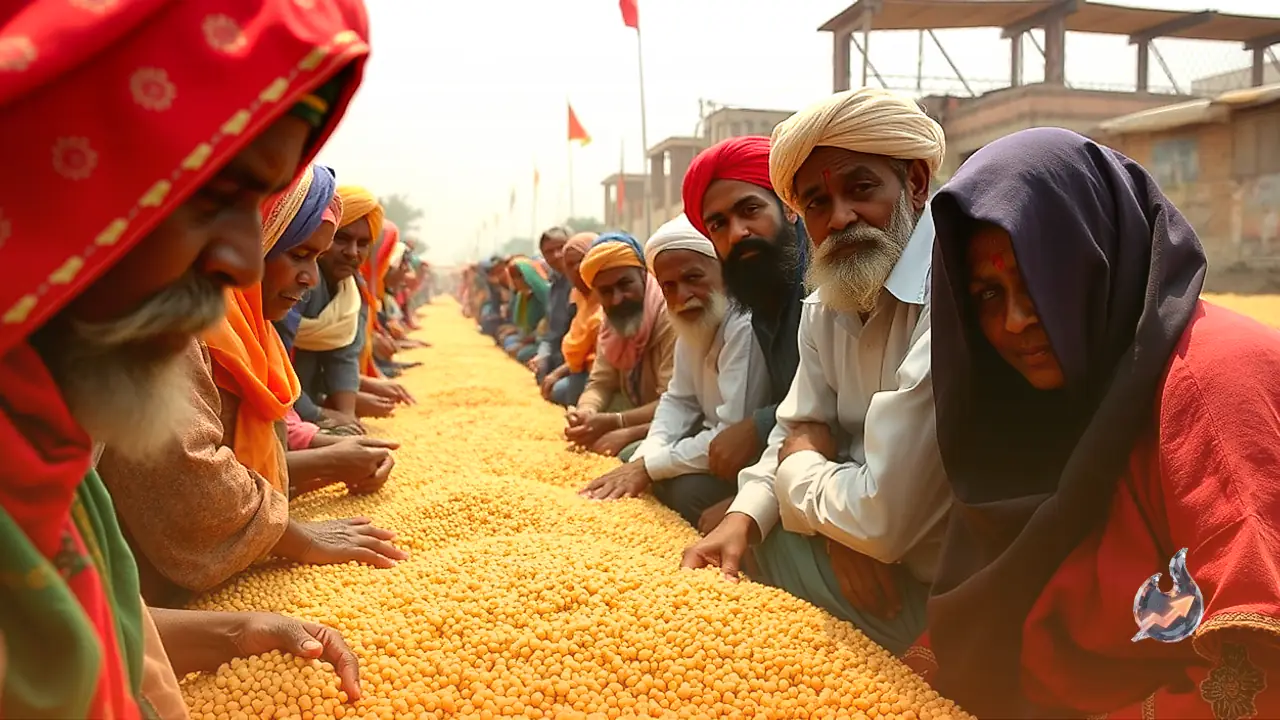

Pulse growers across the Bada Gaon block in the Jhansi district of Uttar Pradesh are confronting severe distress following an unexpected crop failure. Cultivators who sowed black gram seeds procured directly from the local agricultural block warehouse have raised serious questions regarding the quality and authenticity of the supply. Farmers allege that the seeds failed completely to deliver on the high-yield assurances given at the time of purchase. With pod formation dropping to negligible levels across standing fields, families who had banked on this harvest to generate crucial seasonal revenue now face mounting financial losses.
Promised 70 to 80 Pods per Plant, Fields Yield Only Two to Five
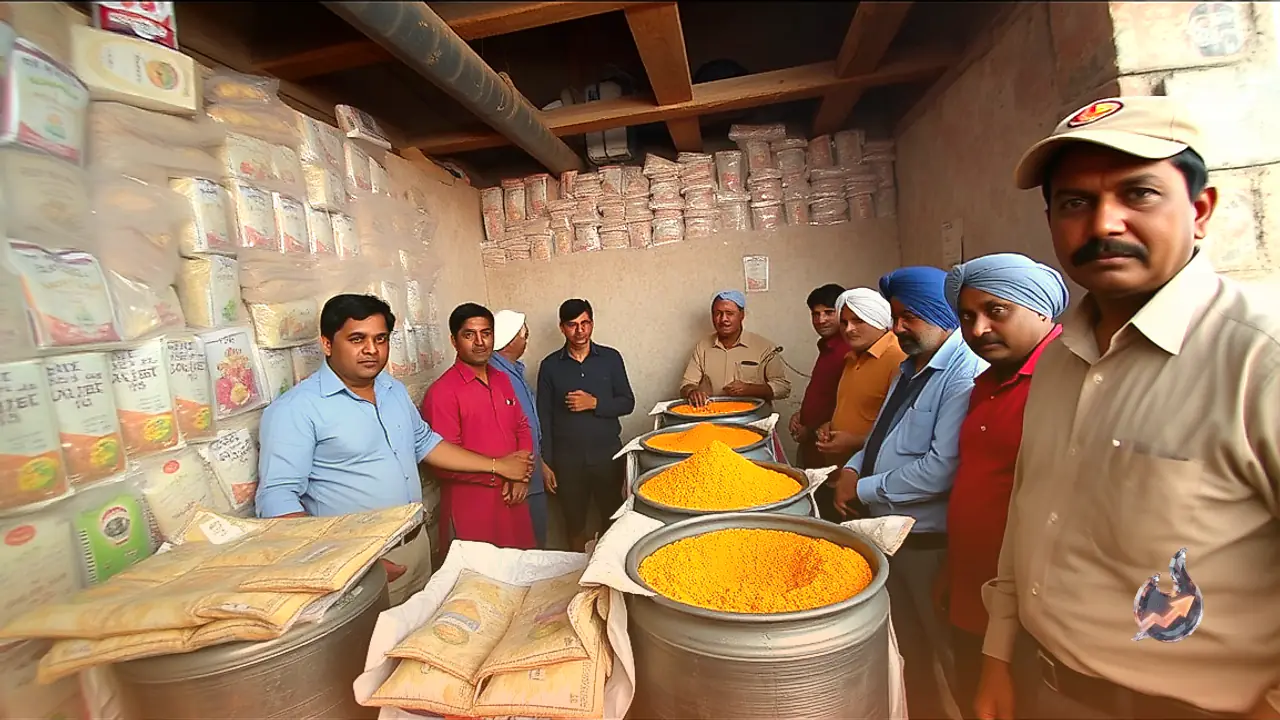
According to the affected farmers, they collectively purchased roughly two and a half quintals of black gram seed from the Bada Gaon block warehouse. During the purchase, depot staff had assured them that the variety was capable of delivering robust yields. Specifically, farmers were told to expect between 70 and 80 pods on every single plant. Reassured by this official representation, growers prepared their land, invested in soil management, and completed the sowing process with high expectations.
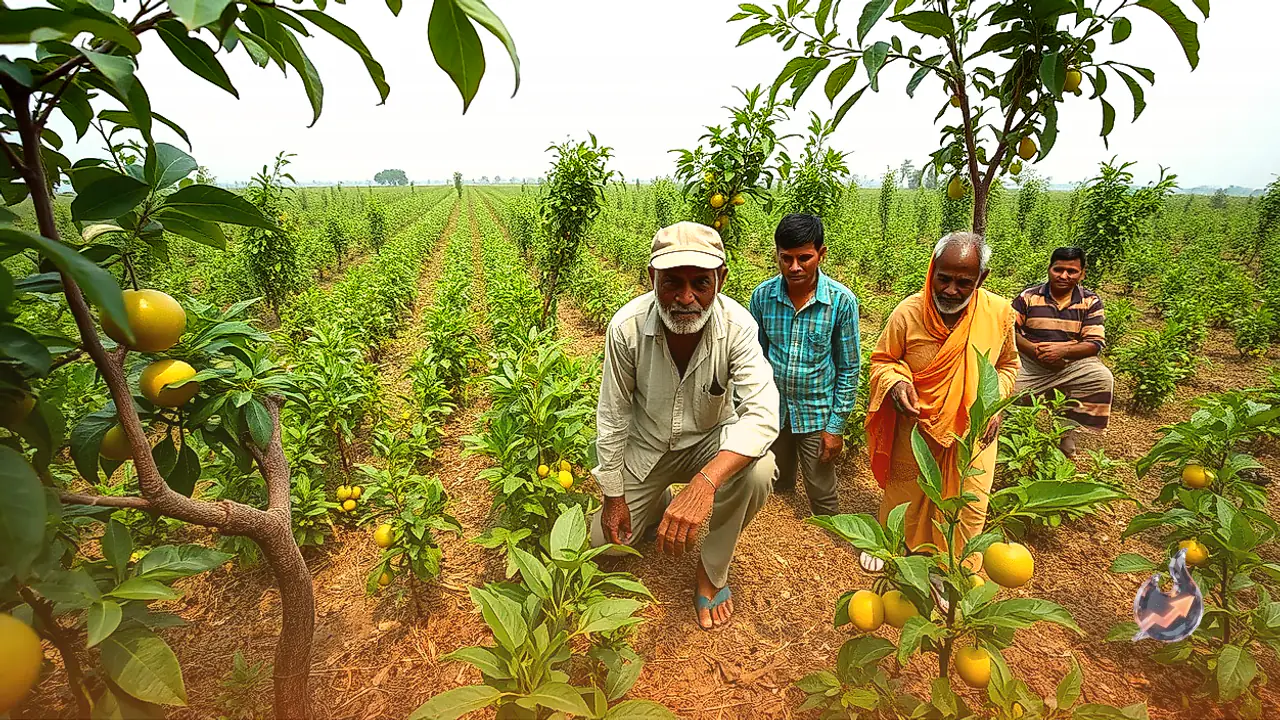
However, as the crop matured, the actual harvest bore little resemblance to the promises. Instead of lush plants bearing 70 to 80 pods, farmers discovered that stalks were carrying merely two, four, or occasionally five pods each. A vast number of plants developed foliage without forming pods at all. This drastic shortfall in pod development has caused output estimates to plummet, leaving growers deeply anxious about recovering even their baseline capital expenditure and labor costs.
Sinking Investments Push Growers Toward Financial Strain
Agricultural productivity relies heavily on weather conditions, soil preparation, and, above all, the foundational vitality of the seed stock. Purchasing seed is only the opening step in an exhaustive cycle that involves plowing, tractor fuel, fertilisation, manual weeding, and continuous irrigation. Each of these steps demands both liquid cash and weeks of intense physical exertion.
When plants fail to produce marketable pods despite meticulous field management, the financial shock falls entirely on the farmer. Cultivators in Bada Gaon noted that many of them had drawn upon savings or taken credit to finance their seasonal operations, anticipating that healthy returns from black gram would pay off debts and sustain household needs. Under present conditions, the meager yields will not cover even the direct out-of-pocket costs of tilling and seed acquisition.
Calls Mount for Independent Quality Testing and Accountability
Confronted with widespread crop failure, farmers who obtained their stock from the Bada Gaon facility have demanded an immediate administrative inquiry into the entire batch. They contend that the warehouse supplied inferior or compromised seed stock. Agricultural experts observe that while poor pod set alone does not automatically prove seed defectiveness without evaluating environmental variables, rigorous laboratory testing is essential to establish the facts.
Growers have underscored several key questions that remain unaddressed
- What formal laboratory testing and certification procedures were completed on this seed stock prior to its distribution to farmers?
- On what empirical trial data or official benchmarks was the claim of 70 to 80 pods per plant communicated to buyers?
- If cultivation practices were followed correctly, what physiological or genetic factors caused the pod count to collapse to just two to five pods per plant?
Awaiting Clarification from Agricultural Authorities
Clarification from designated agricultural officers and supply management authorities is now urgently required. Only a transparent physical verification of seed samples and a formal response from departmental supervisors can provide clarity on whether the loss stemmed from defective seed distribution, climatic variations, or other agronomic factors. In the meantime, local farmers continue to press for definitive answers to understand why months of rigorous work and substantial financial expenditure ended in near-total crop disappointment.