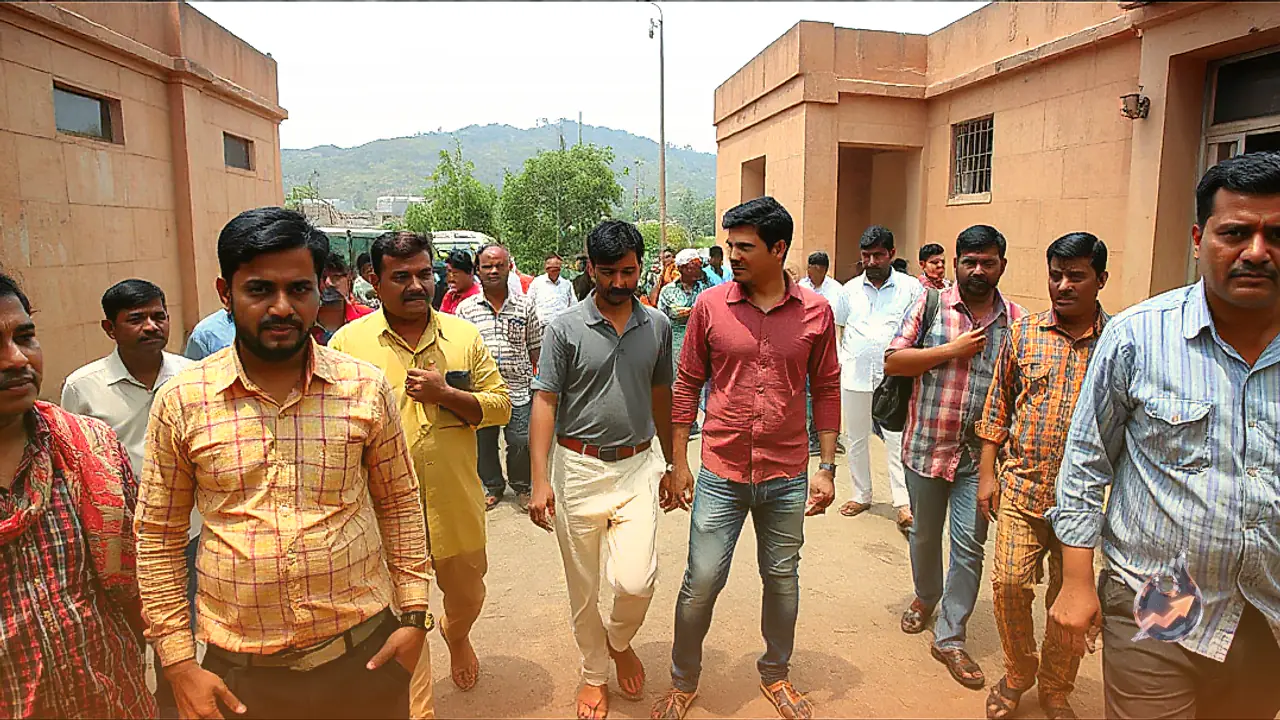















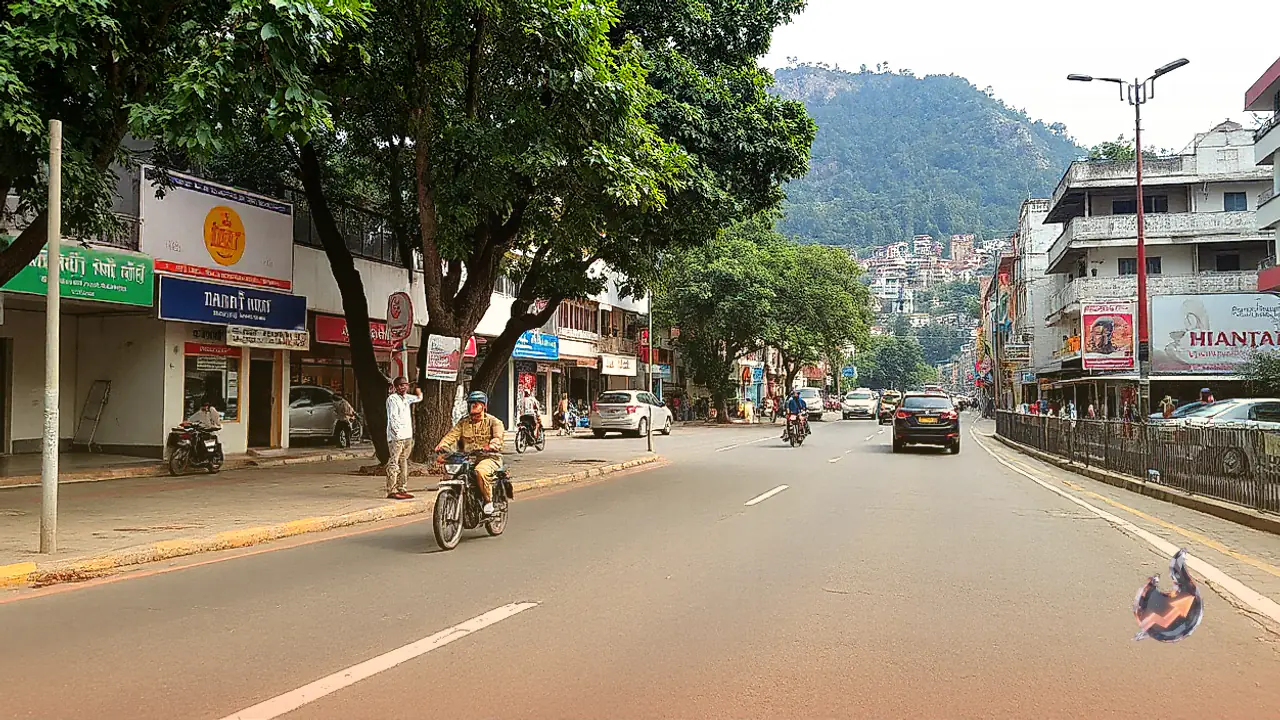

Vehicle movement has officially restarted along the vital Lower Mall Road in Nainital following the completion of comprehensive slope stabilization and structural repair projects that spanned nearly an entire year. The reopening of this central lakeside thoroughfare brings immediate relief to local residents, municipal authorities, hoteliers, and arriving holidaymakers who had endured prolonged congestion across the town's constricted inner lanes.
The Vital Artery and the Aftermath of the 2018 Landslide
Mall Road represents the operational backbone of Nainital, framing the iconic Naini Lake and serving as the primary corridor for urban transit, tourism logistics, and retail trade. The fragile geology of this hill town faced a critical test in 2018 when a severe landslide compromised a significant stretch of Lower Mall Road. The incident caused a substantial section of the carriage surface to collapse and sink directly toward the lake bed, severely paralyzing vehicular circulation and prompting urgent questions regarding the durability of hillside infrastructure.
Engineering authorities recognized that routine patchwork would not suffice given the unstable terrain. Consequently, a comprehensive permanent treatment plan was initiated. To execute these delicate reinforcement measures and ensure structural safety against further ground sliding, officials suspended all vehicular passage through the affected portion of Lower Mall Road for nearly twelve months.
A Year of Route Diversions and Traffic Chokepoints
Throughout the prolonged closure, urban mobility in Nainital came under severe strain. Both regular commuters and the thousands of vacationers arriving in the hill town were diverted onto narrow, winding alternative routes. During peak holiday seasons, when automobile influx climbed sharply, these auxiliary streets became heavily bottlenecked, creating long travel delays for local workers, transport operators, and family travelers. With Lower Mall Road once again operational, the excess load on secondary roads is expected to diminish immediately, smoothing traffic circulation and rejuvenating commercial footfall across the waterfront.
Colonial Apartheid: A Past Defined by Racial Segregation
While modern visitors stroll freely along Mall Road today, the path carries a dark legacy of systemic discrimination enforced under British colonial governance. The British administration developed Nainital primarily as a summer retreat and center for seasonal governance, establishing rigid racial demarcations designed to assert white supremacy over native residents.
According to Dr. Ajay Rawat, a retired professor of history from Kumaun University, colonial planners divided Mall Road into two segregated corridors. The elevated Upper Mall Road was reserved exclusively for British citizens, whereas Indian subjects were restricted to using Lower Mall Road. During that era, Indians were completely forbidden from even walking on Upper Mall Road on foot. Any Indian individual found violating this exclusion faced severe administrative penalties and legal punishment under colonial law.
From Imperial Exclusion to a Symbol of Freedom and Equality
With India achieving national independence, all discriminatory decrees governing Mall Road were abolished. Upper Mall Road and Lower Mall Road were designated public rights-of-way, accessible equally to every citizen and international visitor without distinction. Today, the lakeside stretch bustles every evening with families, travelers, and vendors admiring the waters of Naini Lake. The passage has evolved from a site of imperial subjugation into an enduring landscape of constitutional equality, national freedom, and civic harmony.
Monitoring Structural Durability in a Fragile Mountain Terrain
With traffic flowing once more, public attention is shifting toward the ongoing maintenance and technical durability of the completed engineering interventions. Because the town rests upon geologically delicate slopes bordering a natural water body, ongoing structural monitoring remains essential to prevent future erosion. For now, the successful restoration of Lower Mall Road marks an important civic milestone, unlocking vital transit capacity and revitalizing the local economy.