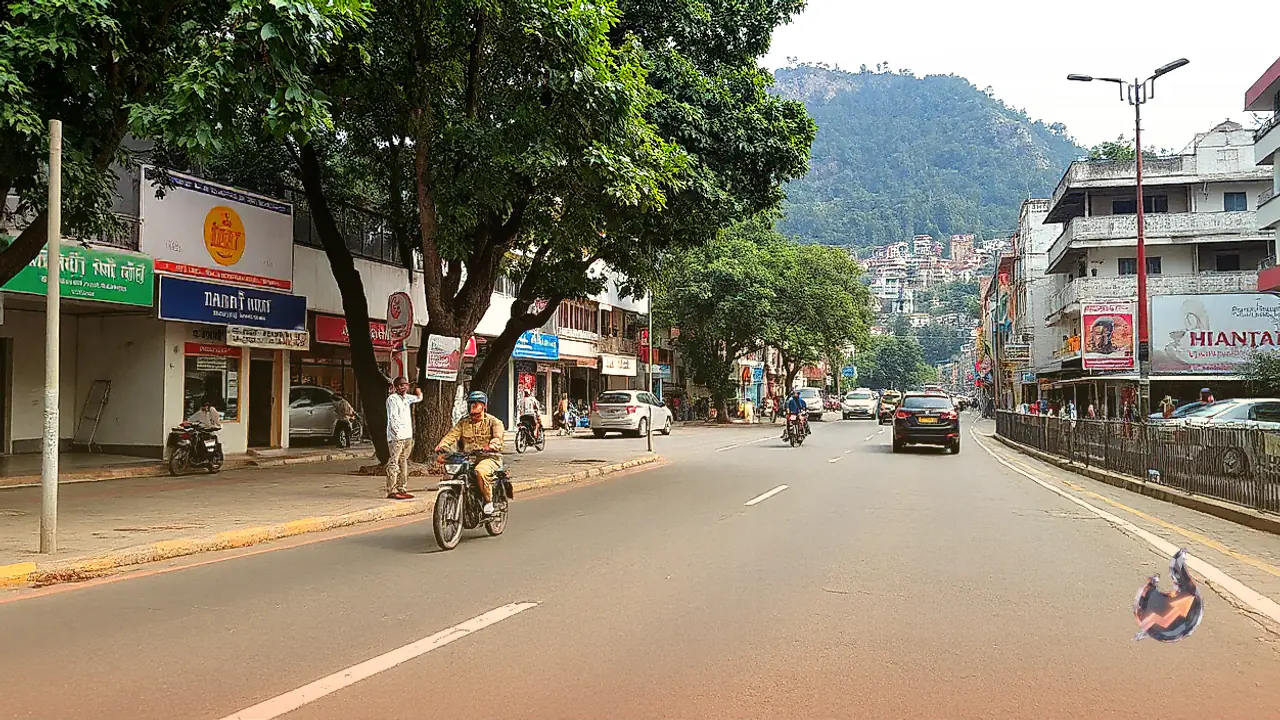



















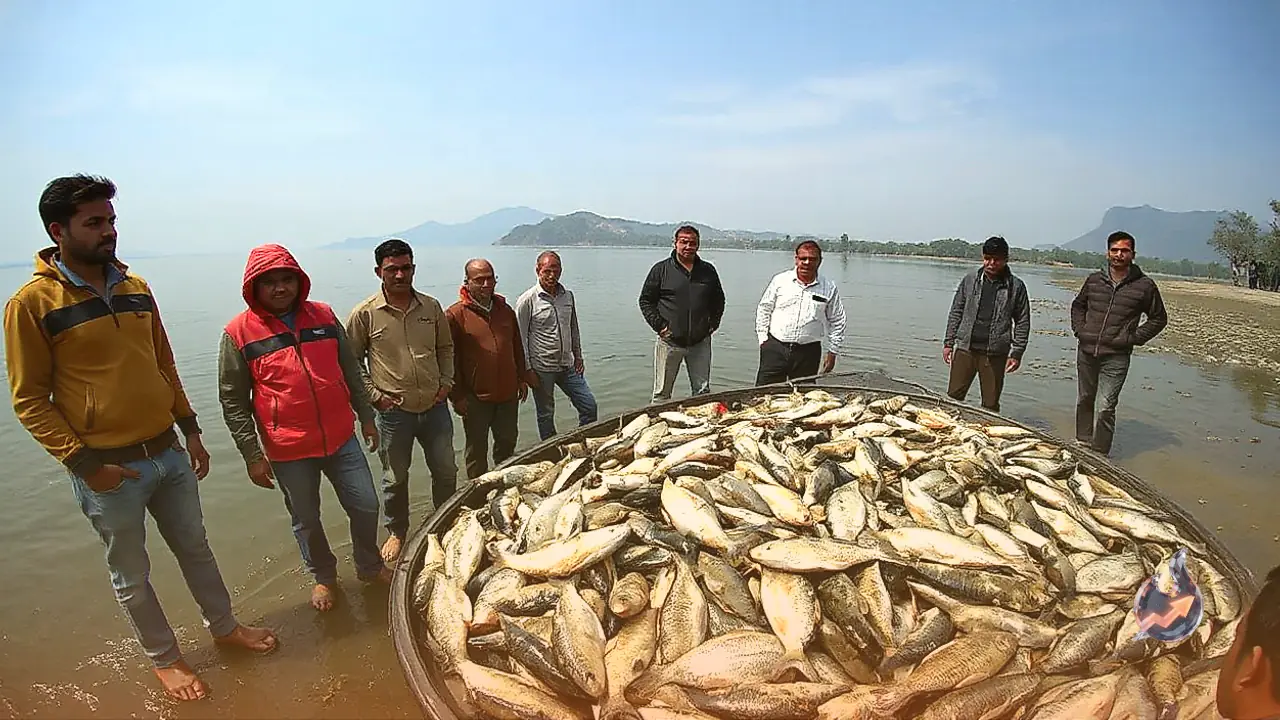

A targeted ecological restoration initiative is actively underway in Nainital, Uttarakhand, aimed at safeguarding the pristine waters and fragile aquatic biodiversity of the famed Naini Lake. The primary focus of this continuous drive is to curb the rapidly multiplying populations of specific invasive fish varieties that threaten to disrupt the natural equilibrium of the water body. Under this regulatory operation, workers are netting and extracting fish from the lake on a daily basis, with total catches regularly measured in quintals. Species such as Common Carp and Bighead have proliferated at an alarming pace, posing direct operational and biological hazards to the native freshwater habitat.
Disruption of Lake Bed Sediments and Water Clarity
Naini Lake represents not merely a premier tourist attraction for boating and leisure, but also an intricate aquatic biome hosting multiple interdependent organisms. When select dominant species experience unchecked population growth, other resident aquatic life faces severe resource competition. Common Carp species feed primarily by scavenging and foraging through the sediment at the very bottom of the lake. This feeding behavior aggressively stirs up bottom silt and organic layers, leading to increased water turbidity and degraded physical water quality. Consequently, the natural breeding grounds and nesting habitats of smaller, indigenous fish species suffer direct degradation. Similarly, the excessive presence of the Bighead variety has created imbalances in the nutritional chain and ecological harmony of the freshwater reservoir.
Strict Surveillance Over Predatory Mangur Species
Beyond the systematic extraction of Common Carp and Bighead, fisheries personnel and environmental teams maintain high alert regarding the potential establishment of the Mangur species within the basin. Given its predatory tendencies, the introduction of Mangur could devastate indigenous fish stocks. Technical specialists from Global Aqua Treatment Technology are actively conducting focused scanning across the lake waters to detect this specific fish. Department supervisor Anand Singh Koranga emphasized that the presence of Mangur poses a direct threat to the lake environment and requires stringent containment measures. Field tracking has confirmed the sighting of only one Mangur specimen in the lake so far, while active search operations remain in effect to detect any remaining individuals.
Stocking 21,000 Fingerlings to Rebalance Biodiversity
The ecological management strategy combines selective culling of disruptive species with proactive restocking of beneficial varieties. In October 2026, a specialized team from Pantnagar University released approximately 21,000 fish fingerlings directly into Naini Lake. This structured restocking batch comprised 15,000 Silver Carp, 5,000 Golden Mahseer, and 1,000 fish of the Bunius species. Introducing these specific species aims to reinforce ecological resilience, enrich native fish diversity, and utilize natural biological filtering processes to sustain clean and healthy water quality over the long term.
Balancing Population Regulation with Long-Term Preservation
The ongoing conservation framework requires maintaining an equilibrium between removing aggressive breeders and supporting fragile populations. According to Anand Singh Koranga, while species such as Bighead, Common Carp, and Mangur are systematically controlled, simultaneous measures nurture species like Mahseer, Silver Carp, and Chaukunia. Field crews continue to extract multiple quintals of non-essential fish daily, recording their weights and varieties to track demographic shifts across the basin. Conservation officials maintain that only rigorous data tracking and consistent regulatory interventions will ensure the enduring biological health and aesthetic clarity of Naini Lake.