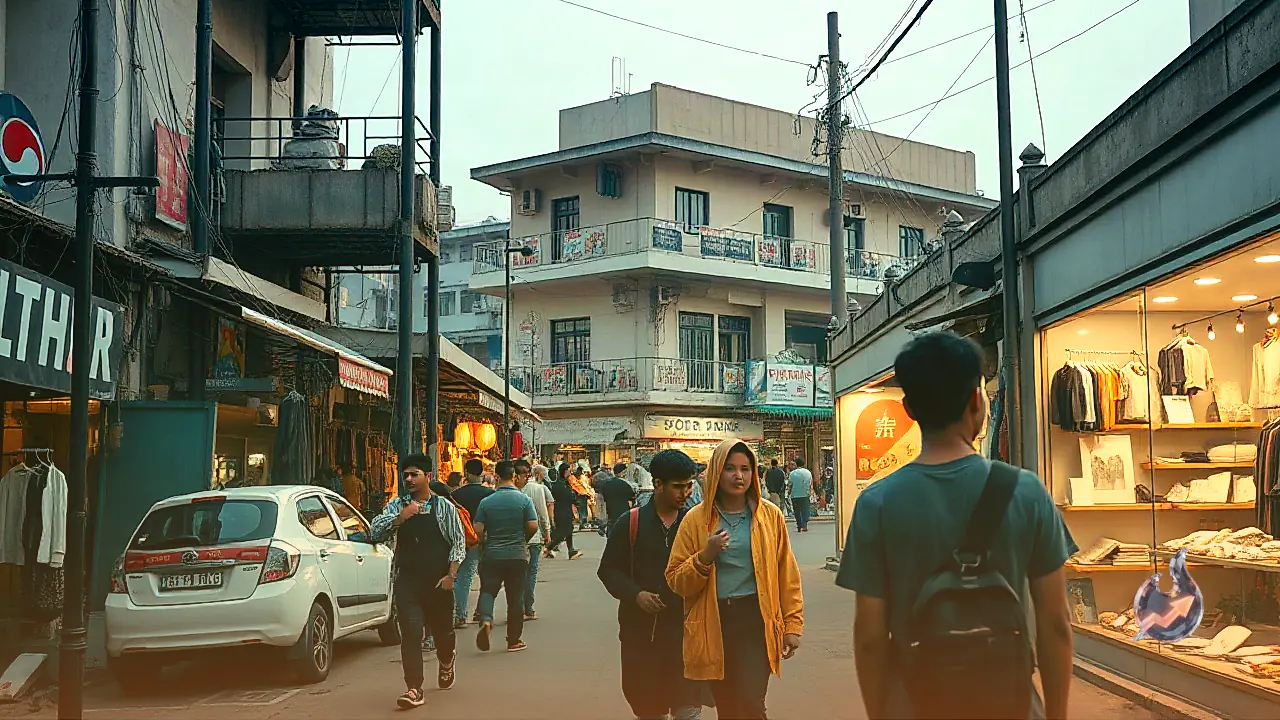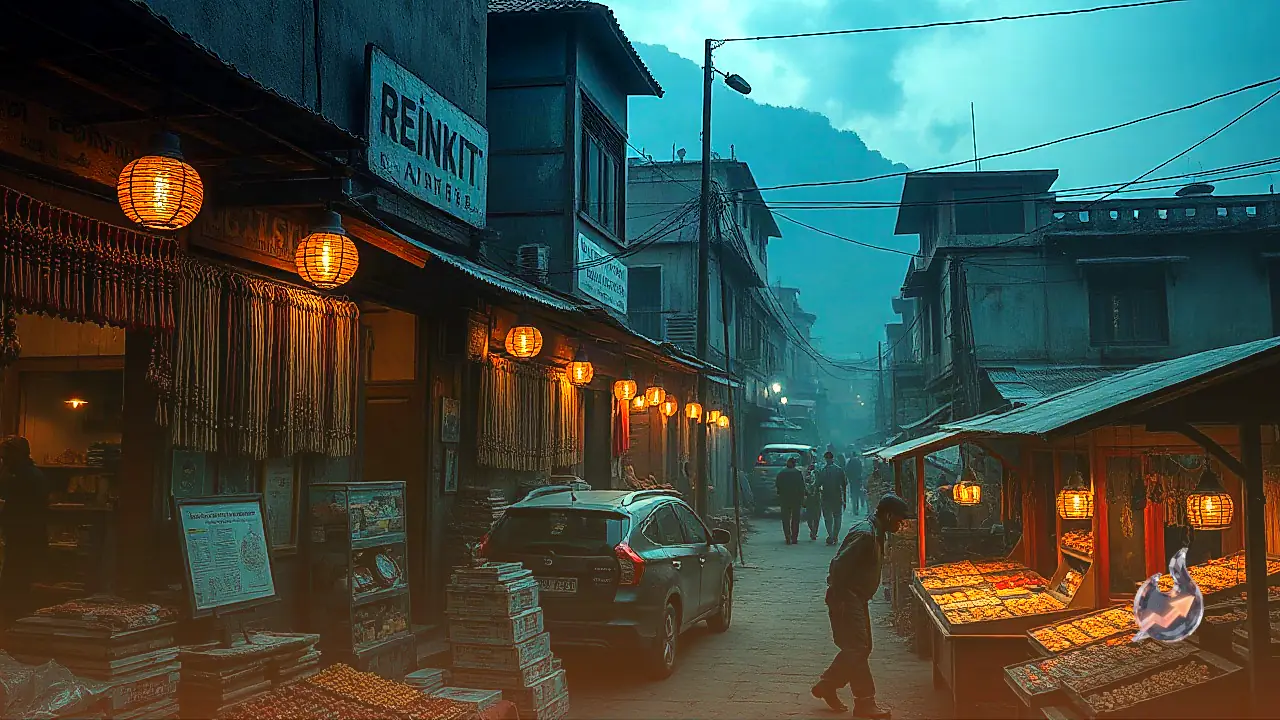


















In the sacred riverside city of Haridwar, thousands of pilgrims arrive each day from diverse states across the country to take a holy dip in the Ganga and participate in sacred spiritual rituals. Once religious observances are concluded, the search for satisfying traditional refreshments routinely steers visitors into the bustling lanes and renowned historic food stops of the old quarters. Alongside deep spiritual practices, the culinary identity of this holy settlement carries immense distinctiveness, offering street delicacies that leave an enduring impression on travellers who return time and again for a taste of authentic heritage food.
A Century-Old Food Landmark in the Lanes of Moti Bazaar
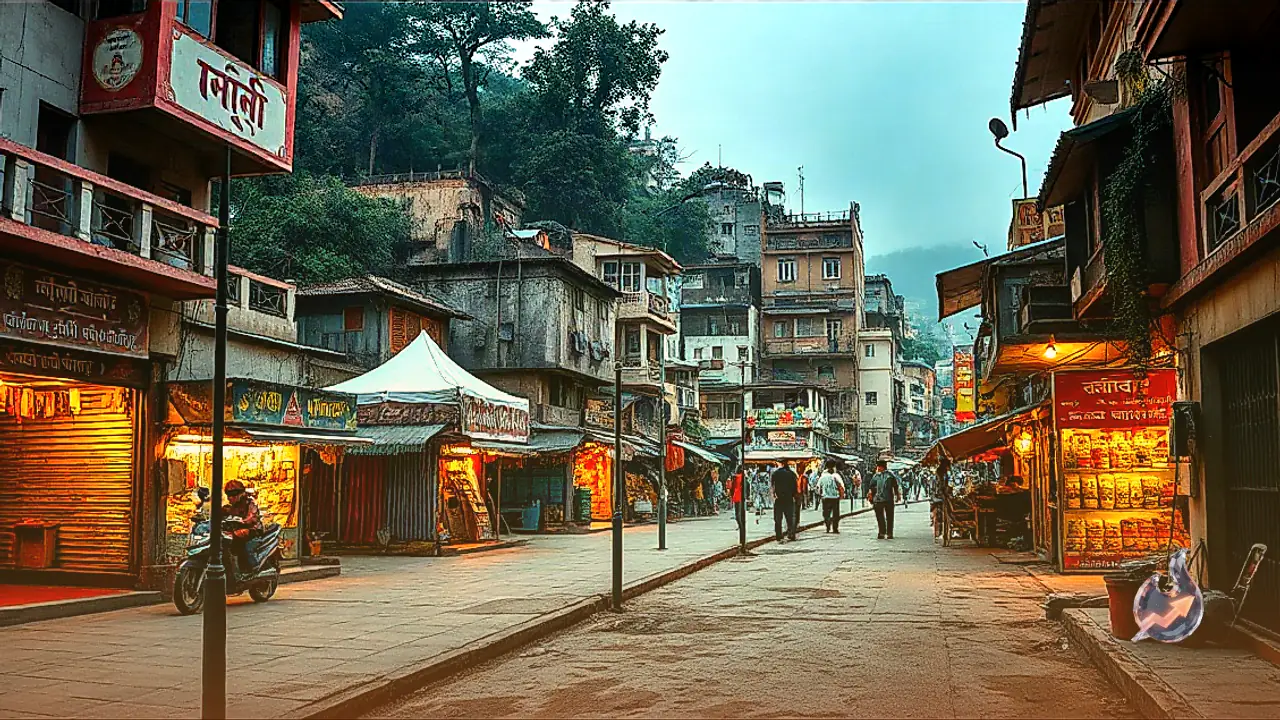
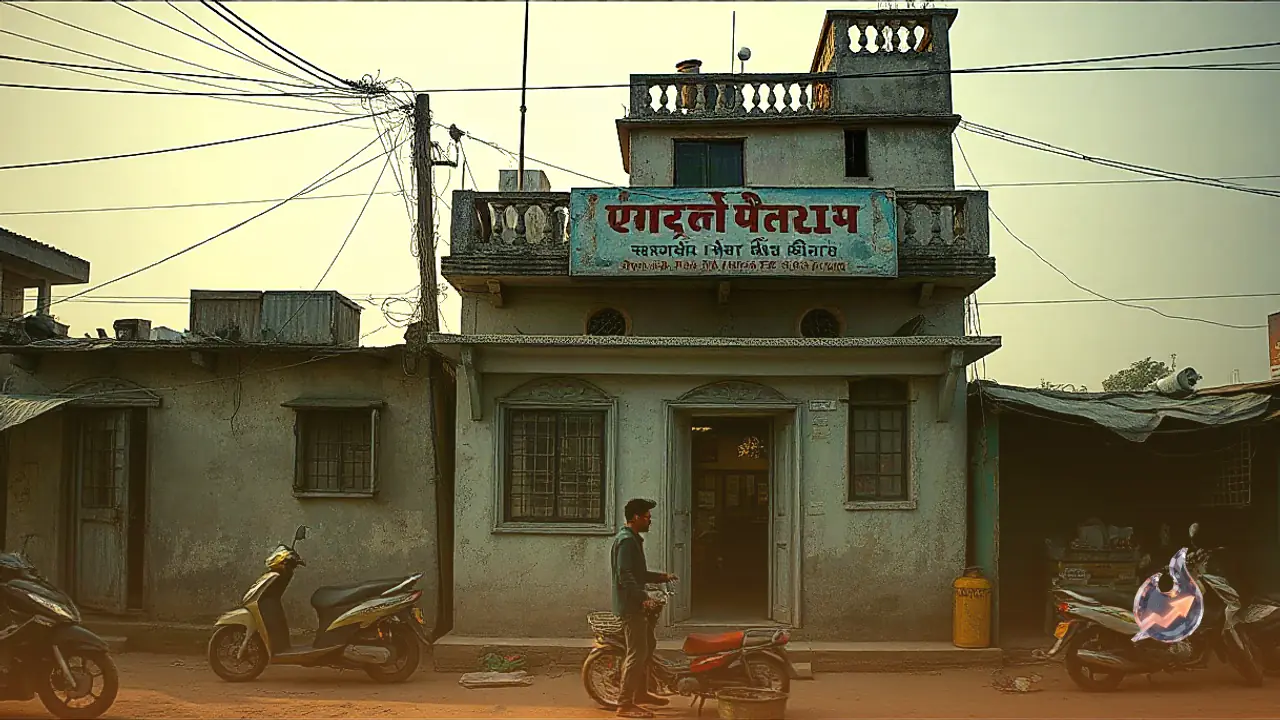
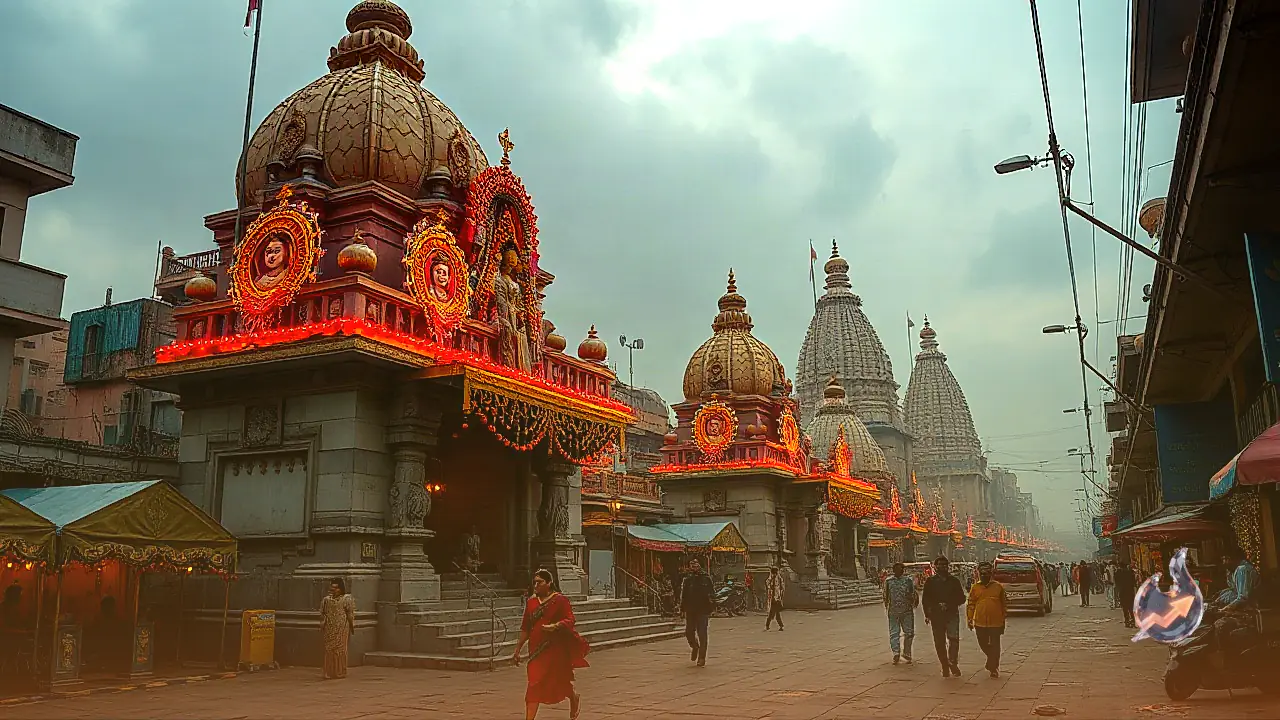
Taking a gentle ten-minute walk from Har Ki Pauri past Bara Bazaar brings travellers into the vibrant thoroughfare of Moti Bazaar. Situated in these narrow historic streets near the landmark Thanda Kuan stands a well-known establishment named Prachin Mathura Wale. Established during the era of British rule, this confectionary enterprise has quietly completed an operating journey spanning roughly one hundred years. The defining hallmark of this century-old shop lies in its unwavering culinary commitment, preparing everything from crisp samosas to elaborate traditional sweets strictly using pure desi ghee to retain an unmistakable richness.
Cashew and Raisin Filled Samosas Fried in Desi Ghee
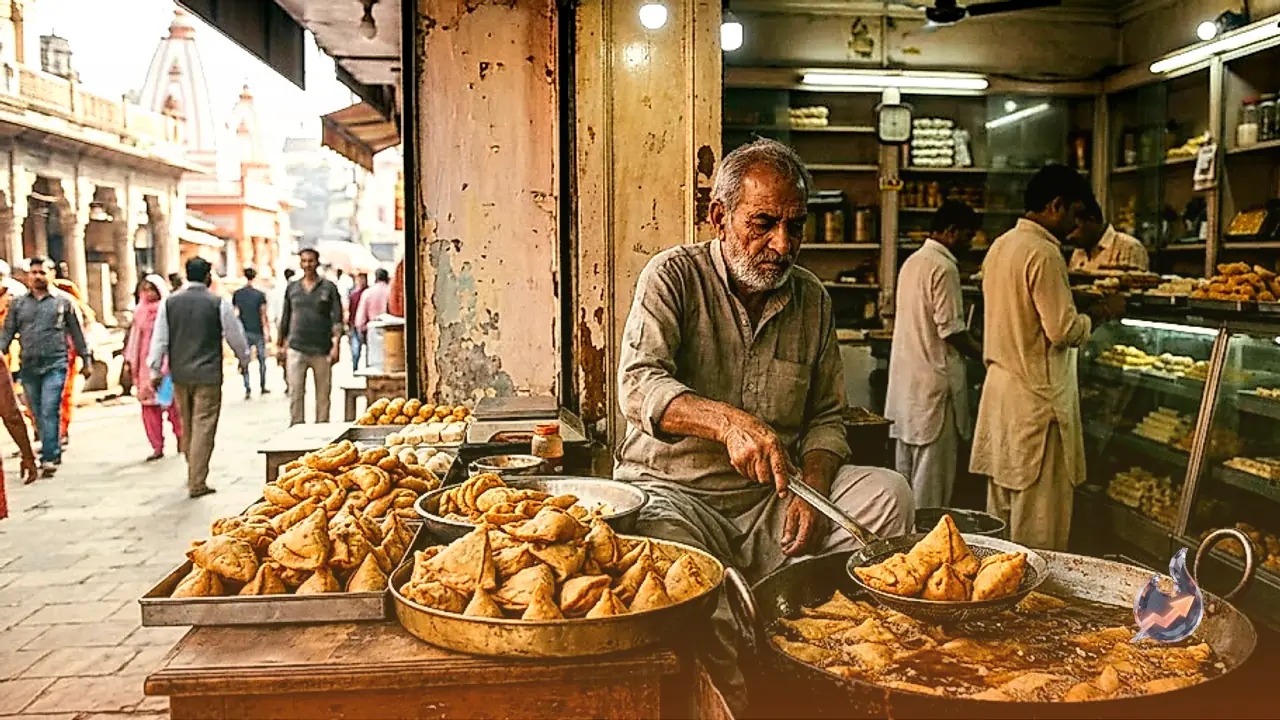
Among the savoury specialities prepared at this vintage outlet, the samosas fried in pure desi ghee stand out as a premier attraction. Beneath their golden, blistered, and thoroughly crisp pastry casing lies a carefully spiced potato stuffing accented with cashews and raisins. Frying them in pure clarified butter elevates the crunch and prevents greasy residue, while an accompanying house-made fresh chutney adds a vibrant complementary tang. This thoughtful balance of sweet dry fruits, robust potato spices, and tart dipping sauce regularly draws hungry visitors from afar to queue outside the shop counter.
Syrup-Soaked Chandrakala Stuffed With Mawa and Saffron
When turning to traditional confections, the house chandrakala represents one of the most celebrated offerings crafted on the premises. Fried slowly in desi ghee to secure an exceptionally flaky and crisp outer crust, the pastry is generously stuffed with rich khoya or mawa, strands of fragrant saffron, and a dense mixture of chopped dry fruits. Once fried, each piece is immersed in warm sugar syrup until it achieves a succulent consistency that melts instantly upon tasting. Devotees arriving from distant locations consistently purchase this speciality both for immediate enjoyment and to carry back home for their families.
Slow-Cooked Lauki Ki Lauj for Fasting Occasions
Another beloved preparation is the lauki ki lauj, a classic bottle gourd delicacy noted for its freshness and delicate texture. The sweet is created by slow-cooking freshly grated bottle gourd alongside rich mawa and desi ghee over gentle heat for several hours. By maintaining a mild and restrained sweetness, the recipe allows the natural character of the gourd and milk solids to shine through without overpowering the palate. Because of its strictly satvik composition, pilgrims observe religious fasts and festive seasons with complete confidence in this time-honoured treat.
Aromas of Slow-Roasted Besan Sweets and Melt-in-Mouth Laddoos
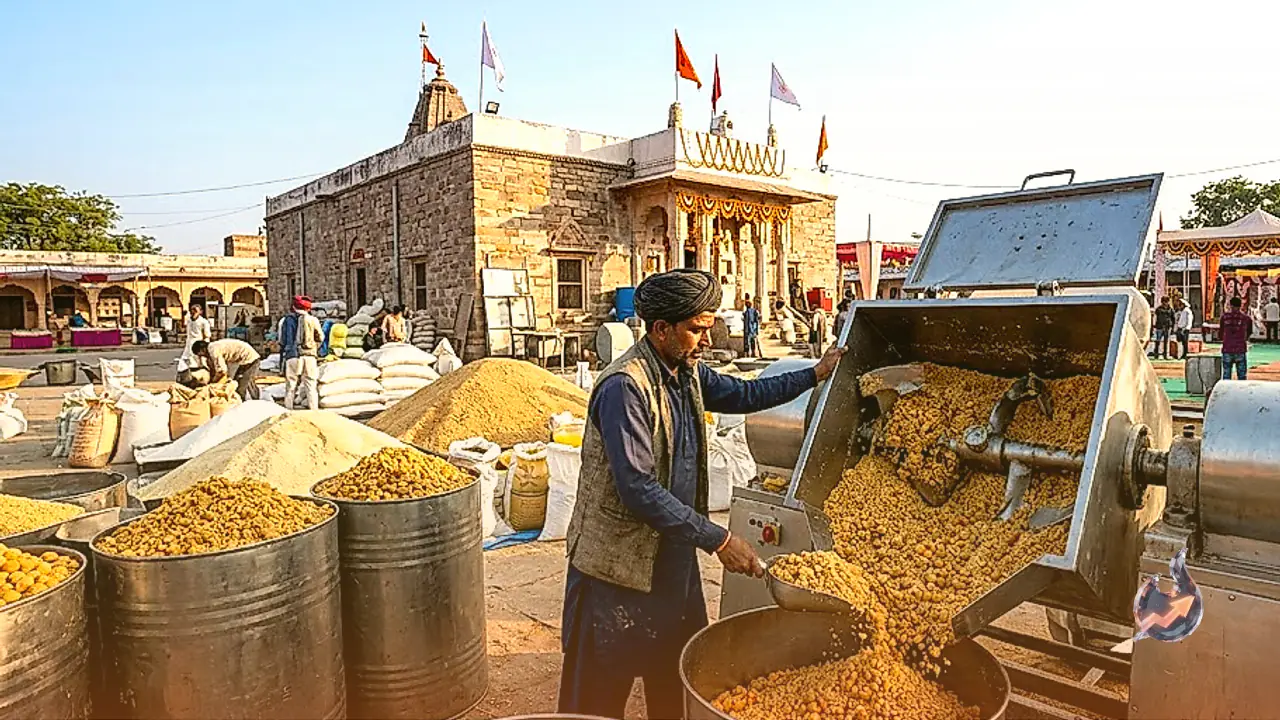
The establishment applies the same traditional discipline to its gram flour preparations, which are formulated purely in desi ghee. When gram flour is roasted patiently on a low flame, it releases a deep, nutty aroma that defines the immediate surroundings of the counter. The shop's besan laddoos have earned widespread recognition for their feather-light grain and tenderness, disintegrating effortlessly on the palate. Maintaining an unbroken culinary lineage that spans a full century, these confections preserve the identical proportions and textures that satisfied generations of patrons in the past.
Dedicated Modak Offerings and the Charm of Living Heritage
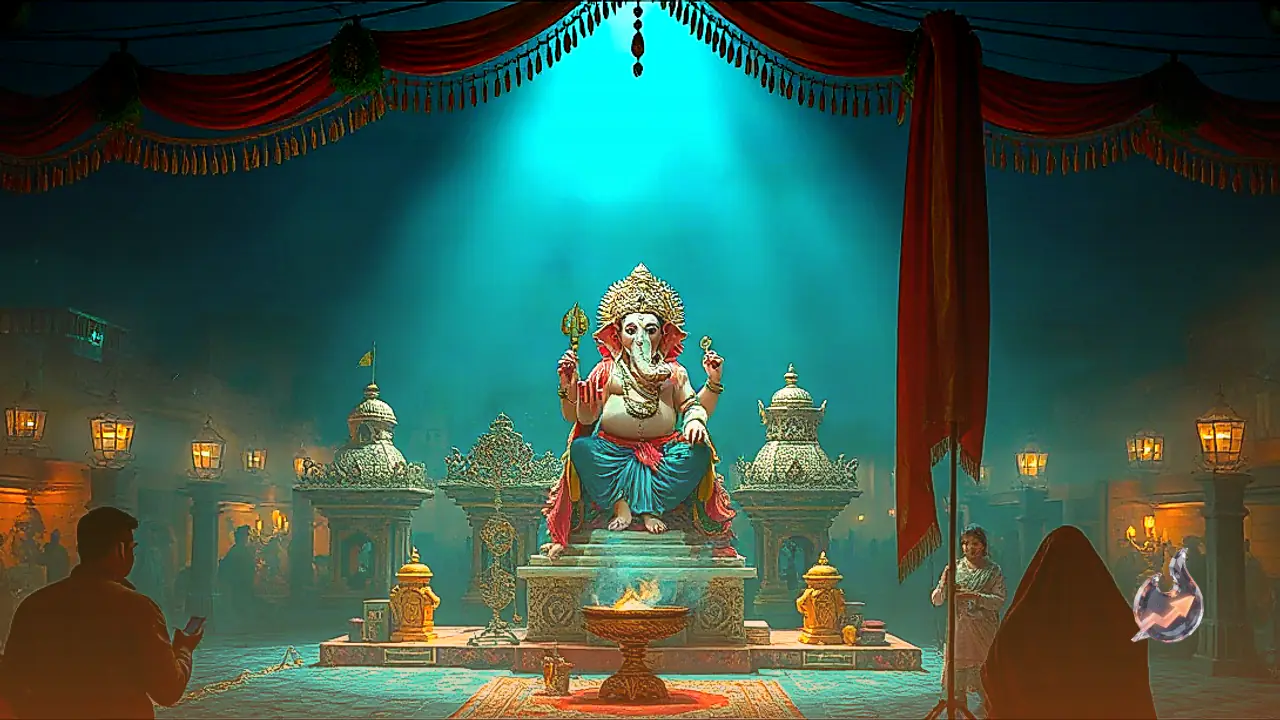
In addition to regular daily confections, special modaks, traditionally favoured by Lord Ganesha, are assembled here using pure desi ghee and premium mawa. Every preparation turned out from this ancient Moti Bazaar address retains the genuine gastronomic profile first established in the pre-independence era. By maintaining strict benchmarks for pure ingredients and generational cooking techniques across a hundred years, the shop provides pilgrims and food lovers far more than mere sustenance, functioning as a living culinary museum where visitors partake in a genuine taste of history.