
















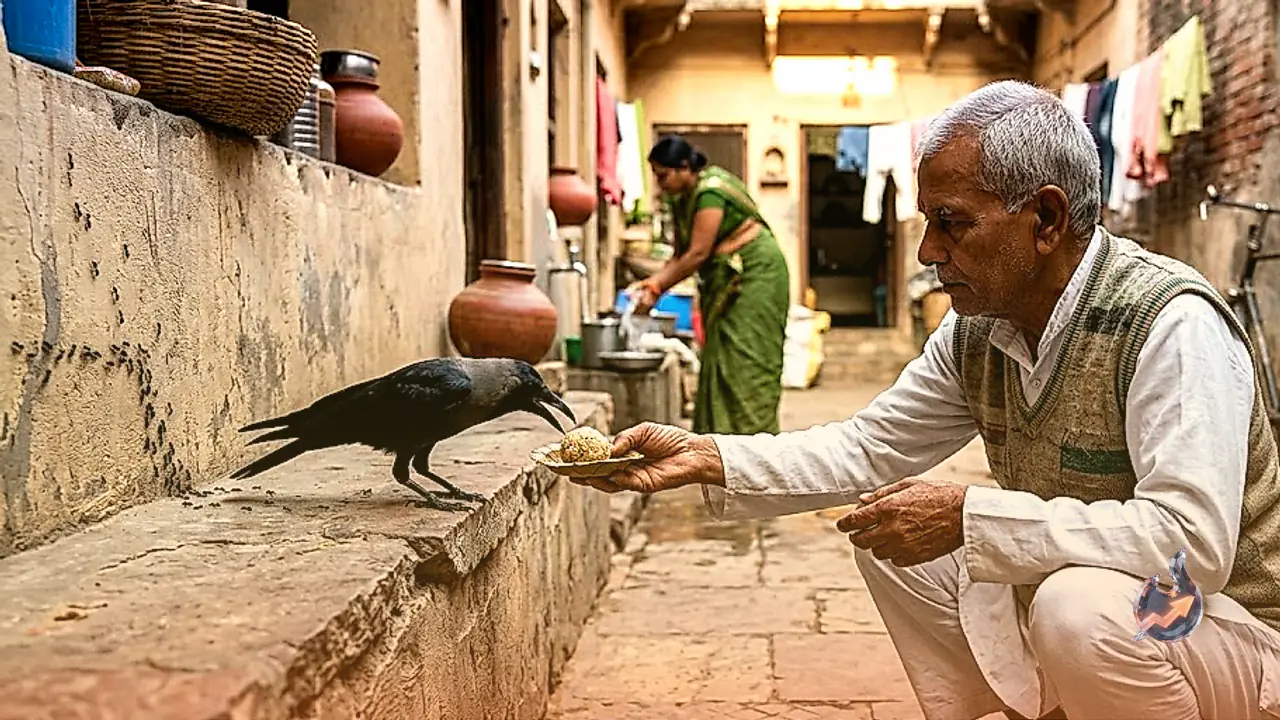

In traditional Hindu practice, the period of Pitru Paksha is observed as a deeply revered time dedicated to honoring ancestors and expressing profound gratitude toward one's lineage. During this fortnight, families perform rituals such as tarpan, shradh, and pinda daan to bring peace to departed souls. A long-standing belief holds that ancestral blessings shower upon the household throughout these days, leading people to closely observe various small and notable occurrences around the home. Rishikesh based astrologer Akhilesh Pandey explains that scriptural and cultural traditions describe specific signs that reflect the goodwill and grace of departed forebears. Encountering these indications during Pitru Paksha is traditionally seen as a favorable sign that deserves thoughtful attention rather than dismissal.
Dreams Featuring Departed Elders and Ancestral Memory
Dreams experienced during Pitru Paksha hold significant meaning across cultural and spiritual traditions. When an individual sees deceased parents, grandparents, or other elderly relatives in a dream, it is often viewed as more than simple emotional attachment or subconscious memory. Spiritual customs interpret such nocturnal visions as a direct indication that ancestors are remembering their descendants and imparting blessings. When such dreams occur, tradition advises individuals to remember their forebears with reverence and perform charitable deeds, such as offering food to the hungry or assisting those in need in their honor.
A Crow Visiting the Courtyard or Roof to Feed
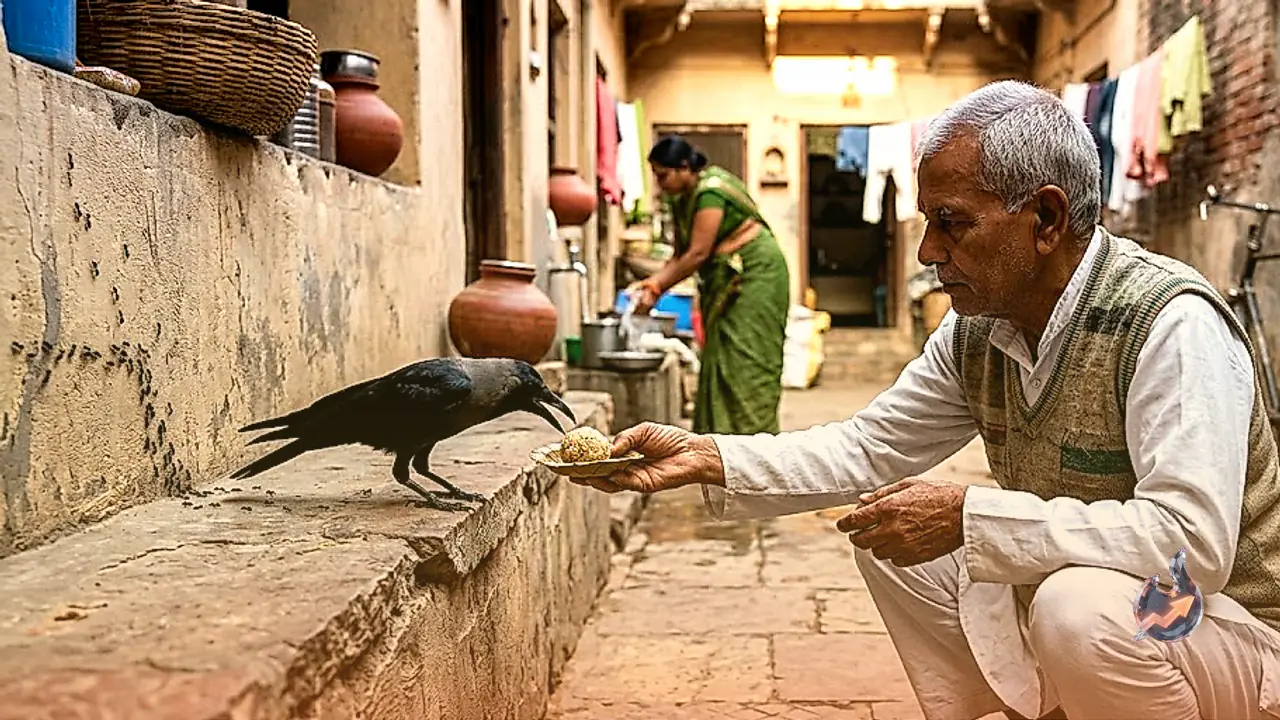
The crow occupies an important symbolic role in funeral rites and remembrance rituals within Hindu customs. Feeding crows remains an essential daily practice during shradh ceremonies across countless households. According to traditional lore, if a crow arrives on a rooftop, balcony, or courtyard and voluntarily consumes the food laid out for it, the event is regarded as highly auspicious. It is widely interpreted as a comforting confirmation that the offerings made by the living have reached the departed souls.
The Sudden Emergence of Black Ants Inside the Home
Another occurrence considered favorable during Pitru Paksha is the sudden appearance of black ants inside residential premises. If these ants are seen gathering around food items or moving in steady lines, traditional lore links the event to household harmony, positive energy, and ancestral favor. Feeding these black ants a mixture of flour or sugar is considered a meritorious deed that invites peace and prosperity into the domestic environment.
Spontaneous Opportunities to Serve and Donate
Acts of selfless charity and compassionate service carry heightened spiritual weight throughout the shradh period. Stumbling upon an effortless opportunity to aid someone in distress, such as feeding a destitute individual, donating garments to the underprivileged, or offering financial support within one's means, is seen as a propitious event. Astrological viewpoints hold that being drawn toward altruistic deeds during these days signifies that ancestral guidance is actively nurturing noble intentions within the family.
Long Pending Problems and Stalled Work Finding Resolution
Astrologer Akhilesh Pandey points out that a sudden turnaround in lingering difficulties often points to favorable ancestral energies. If stalled professional matters, pending financial settlements, delayed employment prospects, or prolonged domestic disputes unexpectedly begin resolving themselves during Pitru Paksha, believers attribute the progress to ancestral grace. When complex roadblocks clear up without major friction during this period, tradition regards it as a clear indication that the forebears are pleased and smoothing the road ahead for their descendants.