





















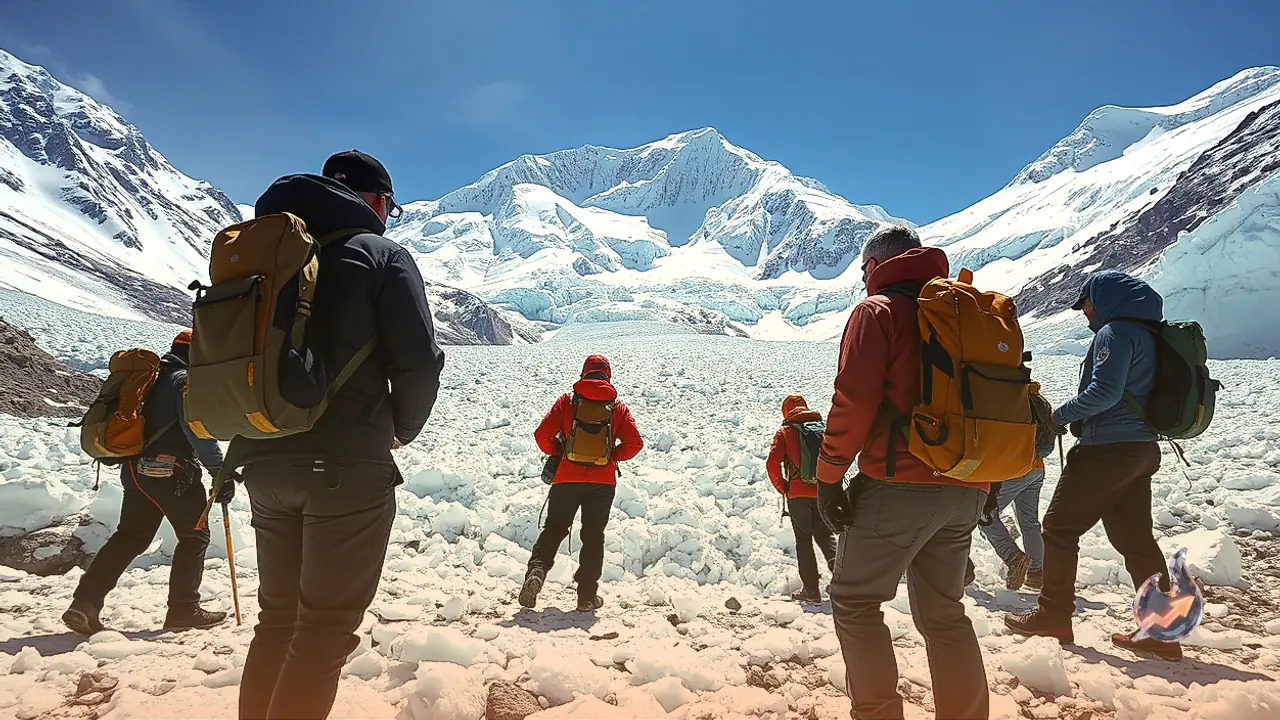

Venturing into the frozen expanse of the Himalayas and traversing snow-clad glaciers offers an undeniable sense of thrill, yet the margins for error in such extreme terrain remain razor thin. Navigating a glacier is fundamentally different from walking standard mountain hiking trails. In high-altitude glacial zones, conditions can swing wildly in a matter of minutes, bottomless crevasses lurk beneath seemingly harmless layers of snow, and thin air places immense stress on the human body. Prioritising personal safety over raw adventure is an absolute necessity for anyone attempting these routes. Bageshwar mountaineer Bhuwan Chaubey stressed that surviving and enjoying the alpine wilderness depends entirely on discipline, preparation, and respecting nature.
Physical Conditioning and Proper Administrative Clearances
Before committing to an expedition across high-altitude ice, trekkers must carry out an honest assessment of their physical stamina and endurance. According to Bhuwan Chaubey, understanding the technical difficulty, target elevation, and historical weather patterns of the planned route is an indispensable prerequisite. Novices attempting their maiden glacier trip must never venture out on their own; hiring seasoned, certified guides is essential. Attempting technical glacier fields without systematic training, certified equipment, and an experienced team invites catastrophic risks. Trekkers should also consult the local administration, the forest department, or the regional trail management authorities to check ground conditions and obtain all required regulatory permits well before departure.
Strategic Timing and Reading Weather Patterns
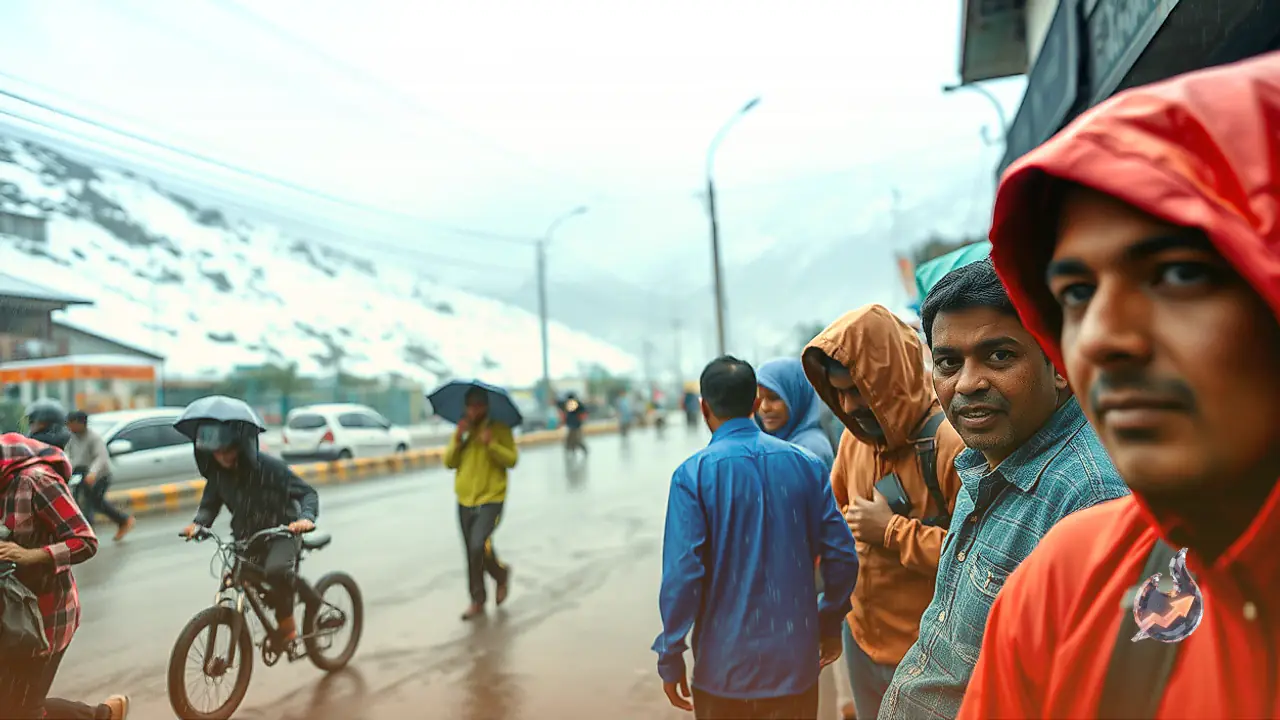
Effective scheduling on the ice can determine the outcome of an expedition. Setting out in the early morning hours is widely regarded as the safest practice, though exact timing always hinges on microclimates, path conditions, and the day's distance. Bhuwan Chaubey explained that teams should aim to advance during peak daylight so they can reach a secure camp before afternoon weather deterioration sets in. Trekkers must check verified local weather forecasts before leaving base camp and set a rigid turnaround time. If the route is threatened by sudden high winds, heavy snow, rainfall, dense fog, or avalanche risks, abandoning the push is the only prudent choice. Forcing progress merely to save time is a dangerous gamble in the mountains.
Crucial Equipment and Technical Knowledge
Relying on substandard gear on a glacier is a direct threat to survival. Bhuwan Chaubey noted that high-traction, rigid trekking boots are mandatory, complemented by crampons or microspikes matched to terrain requirements. Clothing systems must feature multiple thermal layers, a robust waterproof outer shell, windproof gloves, warm headwear, and dry spare socks. To guard against intense high-altitude reflection, UV-protective eyewear and broad-spectrum sunscreen are non-negotiable. Trekkers must also carry sufficient drinking water, high-energy food, a comprehensive first-aid kit, a reliable headlamp, an emergency whistle, and updated distress contact details. More demanding terrain demands technical gear like helmets, harnesses, climbing ropes, an ice axe, and dedicated crevasse rescue hardware, which must only be deployed under the direct guidance of certified professionals. Buying gear does not guarantee survival; mastering its precise mechanical use in an emergency is what truly matters.
Deadly Pitfalls and Monitoring Altitude Sickness
Certain fundamental errors on frozen terrain can trigger instant disasters. Separating from the group, wandering away from the guide, charting untested detours, and blindly trusting the structural strength of snow surfaces are fatal mistakes. Crevasses frequently hide beneath brittle snow bridges that appear solid from above but crumble instantly under human weight, making it vital to skirt around any suspect patch of snow. Hydration must be maintained continuously to help the body acclimatise. Trekkers must never dismiss symptoms like throbbing headaches, dizziness, nausea, unexplained exhaustion, or acute breathlessness. When such altitude-related distress surfaces, the only safe response is to halt upward movement immediately, descend to lower elevations, and seek medical attention. Bhuwan Chaubey underscored that listening to environmental cues is a trekker's strongest shield, because reaching the destination is meaningless unless you make it back alive.