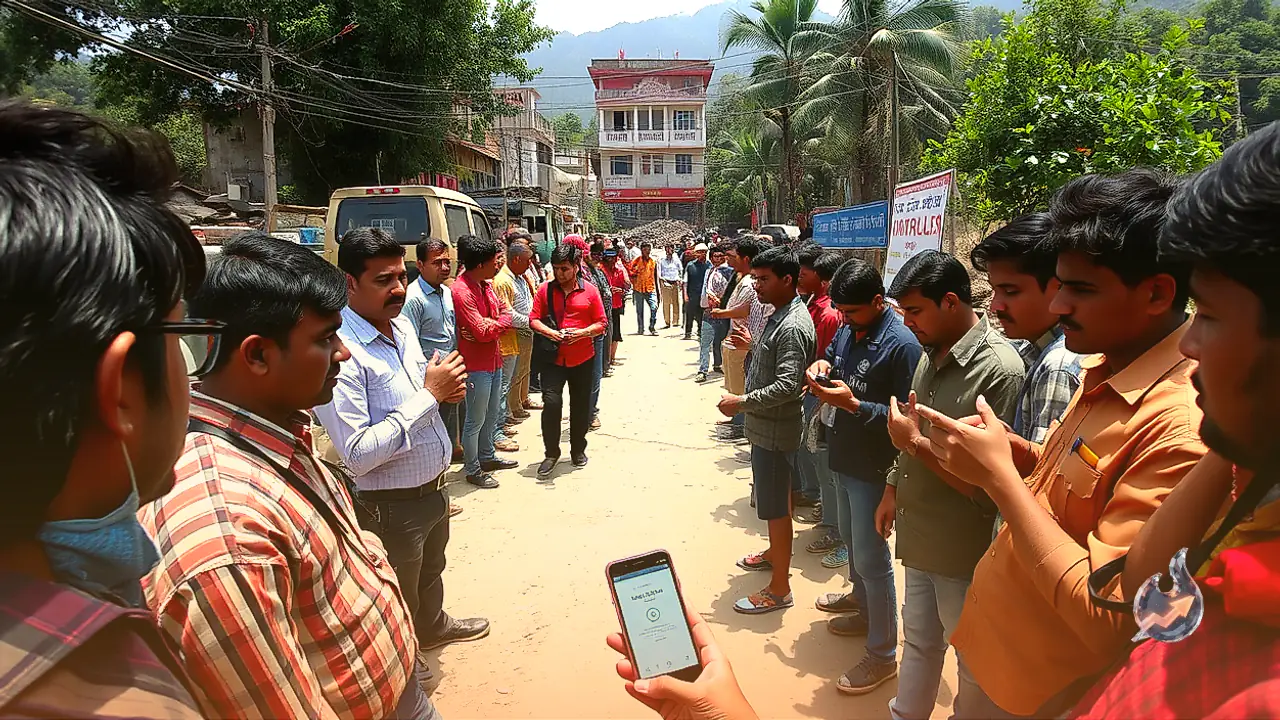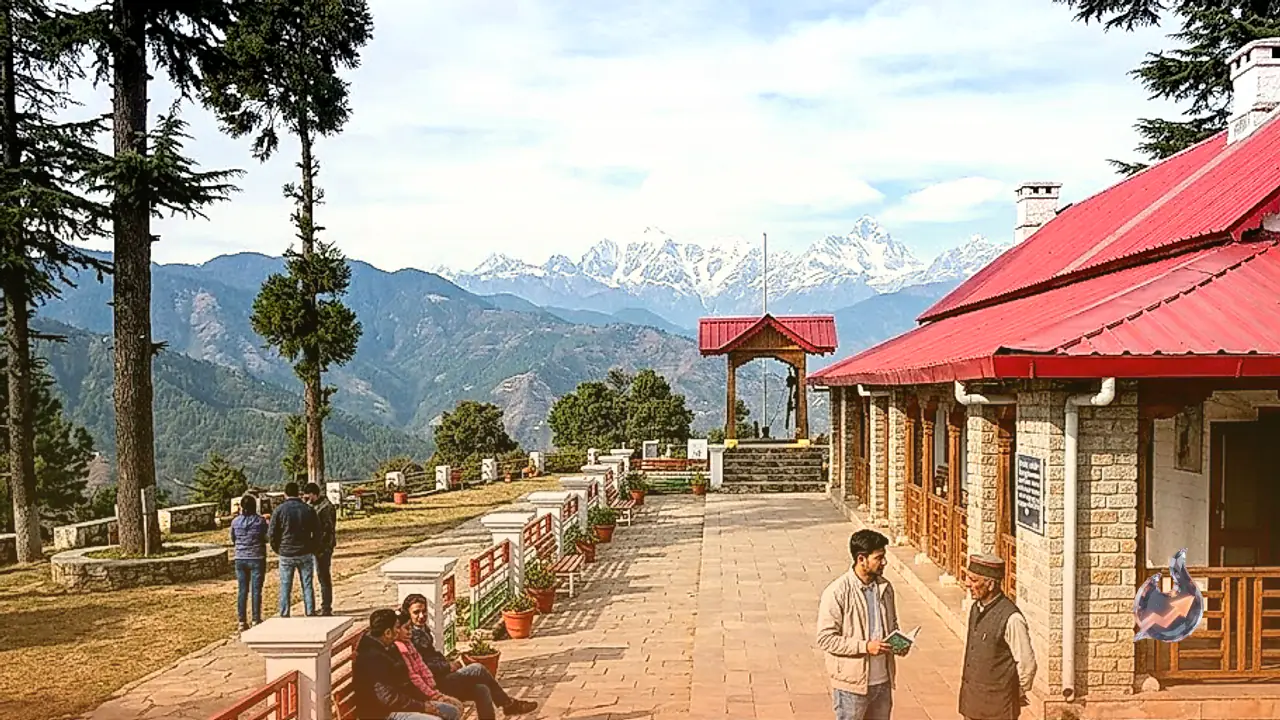
























The swelling influx of pilgrims and vacationers heading to Kainchi Dham in the Nainital district of Uttarakhand has emerged as a major ecological concern for the region's delicate biodiversity. Driven by immense reverence for Baba Neem Karoli Maharaj, massive congregations arrive year-round at this Himalayan sanctuary. However, this spiritual influx has brought along dense traffic, persistent vehicular honking, emissions, expanding construction, and pervasive human disturbance that place immense strain on the adjacent forested habitats. Local birdwatchers warn that a valley once resonant with diverse avian calls is witnessing a marked decline in several native and migratory species. From the virtual disappearance of house sparrows to broader distribution shifts across the hillsides, serious questions are being raised about long-term environmental sustainability.
Disappearance of House Sparrows and Severe Habitat Disruption
Jagjeewan Singh Dhami, a seasoned birdwatcher based in Nainital, points out that the sheer volume of tourist footfall combined with continuous vehicular transit and escalating pollution levels is actively degrading natural nesting territories. As aggressive human activities reshape the landscape, numerous bird species are deserting their ancestral forest patches in search of undisturbed pockets. Dhami noted that the common house sparrow, an omnipresent sight around local homes, yards, and forest fringes in past decades, has now virtually vanished from the Kainchi Dham zone. While comprehensive scientific counts are imperative to chart exact population trajectories, the sharp drop in such a resilient, everyday species acts as an early warning bell for deep systemic imbalances in the local environment.
Declining Sighting Rates for Laughingthrushes and Eurasian Jays
Historically, the woodlands surrounding Kainchi Dham served as thriving habitats for iconic Himalayan birds such as the laughingthrush, the white-headed laughingthrush, and the Eurasian jay. Today, spotting these vibrant birds has become remarkably difficult across their conventional ranges. Observers have registered similar alarming declines in populations of the streaked laughingthrush and companion woodland varieties. Dhami explained that the mountain tracts of Pangot and Kainchi Dham form a contiguous ridgeline that has held celebrated status for avian richness since historical times. Even during the British colonial era, naturalists frequented these ridgelines specifically to observe rich bird life. The wide variety of native flora, unbroken forest silence, and natural freshwater brooks previously created the ideal setting for multi-tiered bird communities to prosper.
Shrinking Avian Activity Along Riparian Corridors
Riparian zones flanking the river that winds past Kainchi Dham and nearby mountain springs were once vital foraging corridors for diverse winged species. As recently as three years ago, visitors who paid homage to Baba Neem Karoli Maharaj would frequently spend peaceful hours admiring the valley's untouched beauty, flowing streams, and fluttering wildlife. Today, dense gatherings, persistent litter, and unregulated foot traffic have altered these watercourses significantly. Healthy avian survival hinges on dependable forest quiet, adequate food resources, secure nesting sites, and clean water sources. When constant noise, structural expansions, and visitor pressures compromise these core essentials, wildlife is inevitably pushed out. Consequently, contemporary tourism strategies must factor in wildlife habitat requirements alongside commercial hospitality.
Call for Targeted Surveys in Naina Devi Bird Conservation Reserve
Reflecting on protective interventions, Dhami underscored the pivotal ecological role of the Naina Devi Bird Conservation Reserve, which was formally established in 2016. Encompassing approximately 114 square kilometres across an altitudinal span of roughly 1,000 to 2,611 metres, this reserve protects vital mid-to-high elevation Himalayan ecosystems. Preserving this expanse demands dedicated oversight and updated baseline assessments. Dhami has called for a rigorous, methodical biodiversity survey across Kainchi Dham and adjacent woodlands. Such an initiative should systematically catalog current bird varieties and vegetative cover against historical records, enabling experts to pinpoint which specific populations are in steep decline and devise tailored, science-backed preservation policies.
Harmonizing Spiritual Pilgrimage with Forest Stewardship
The burgeoning pilgrim economy around Kainchi Dham unquestionably bolsters local commercial livelihoods and sustains important cultural traditions, yet this expansion must not compromise ecological viability. Jagjeewan stressed that preserving natural equilibrium is just as crucial as accommodating religious enthusiasm. Meaningful interventions include stringently enforcing vehicular noise curbs, restricting unmonitored concrete sprawl, preventing waste contamination around rivers, and cordoning off ecologically sensitive forest zones from intrusive human entry. Realigning pilgrimage management so that it embraces conservation awareness alongside devotional activity remains the only way to safeguard this mountain haven for generations to come.