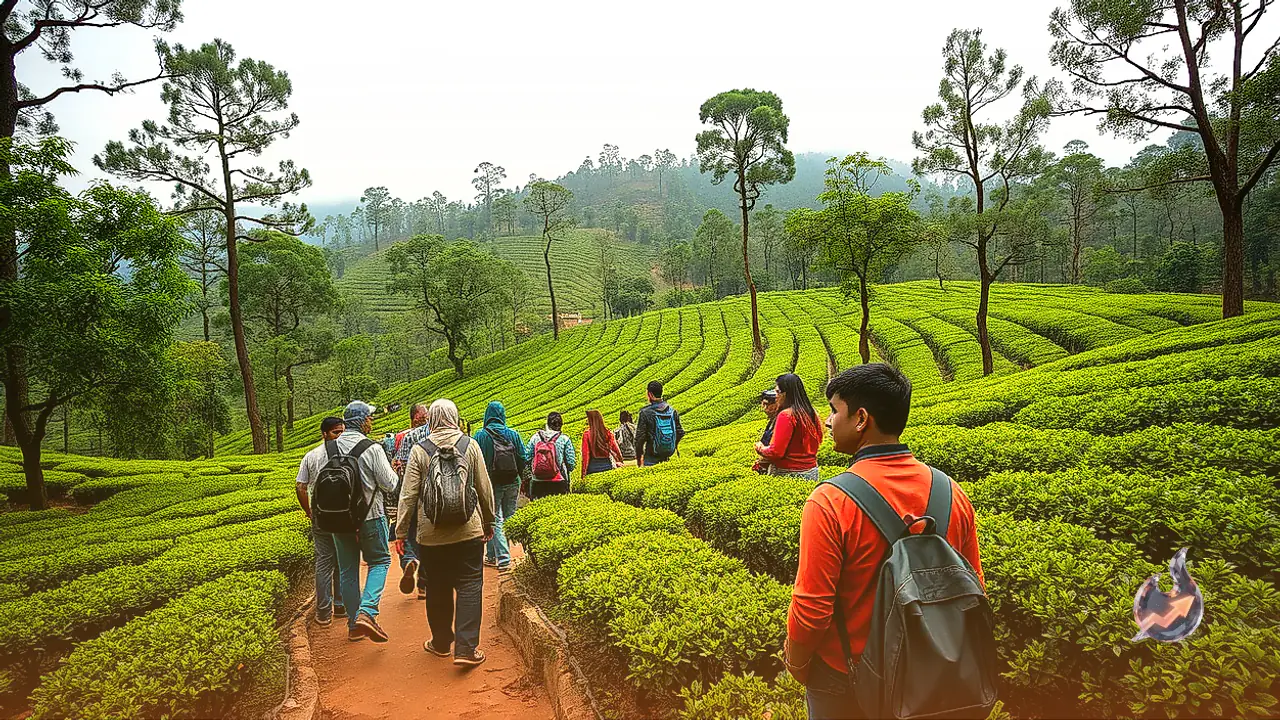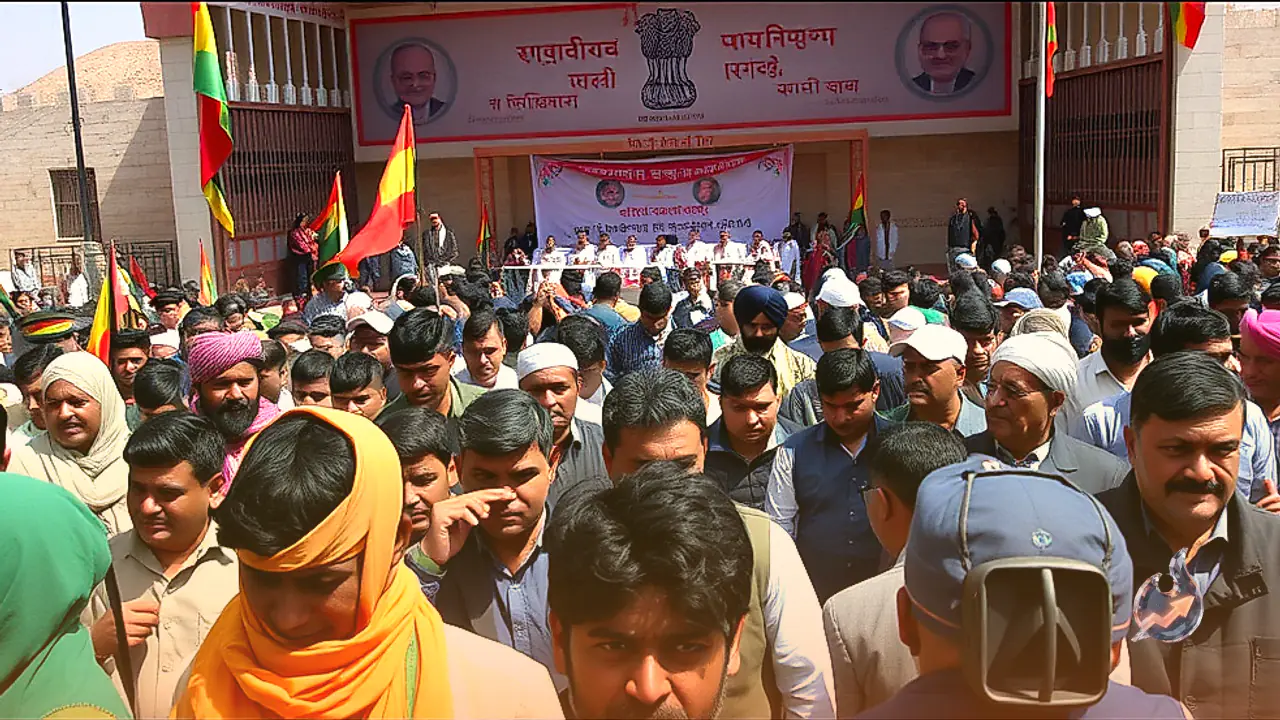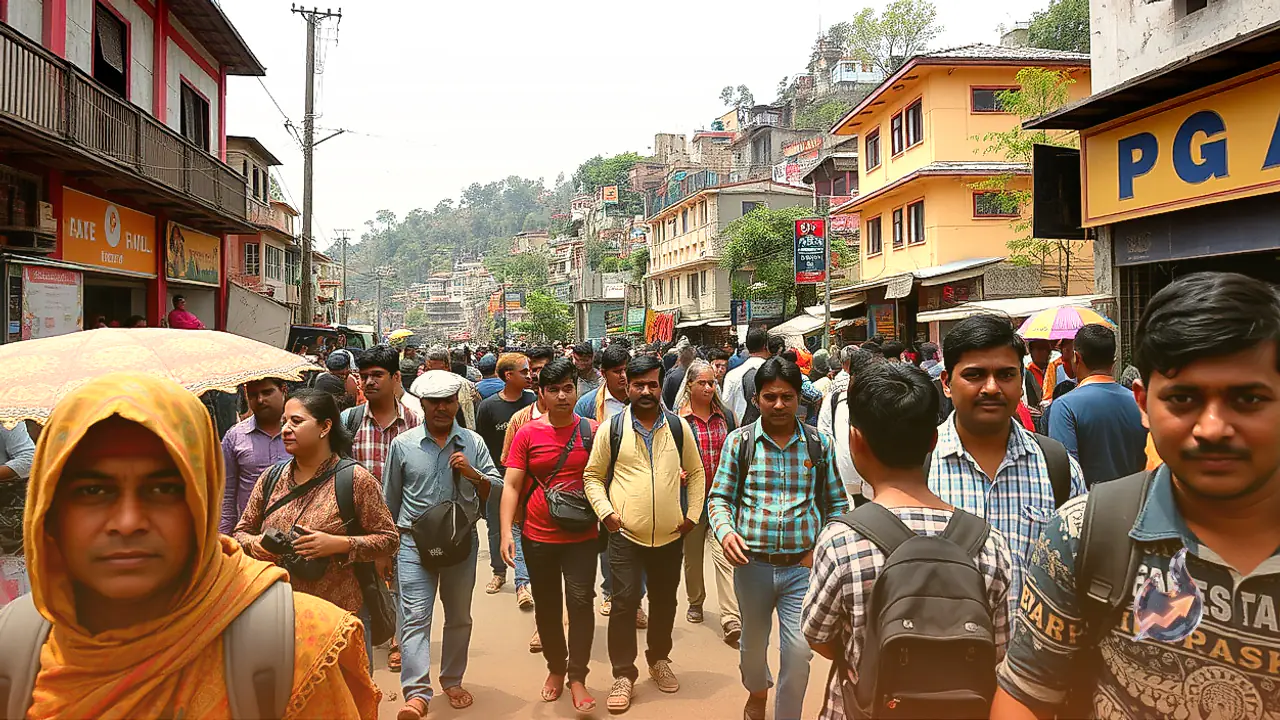




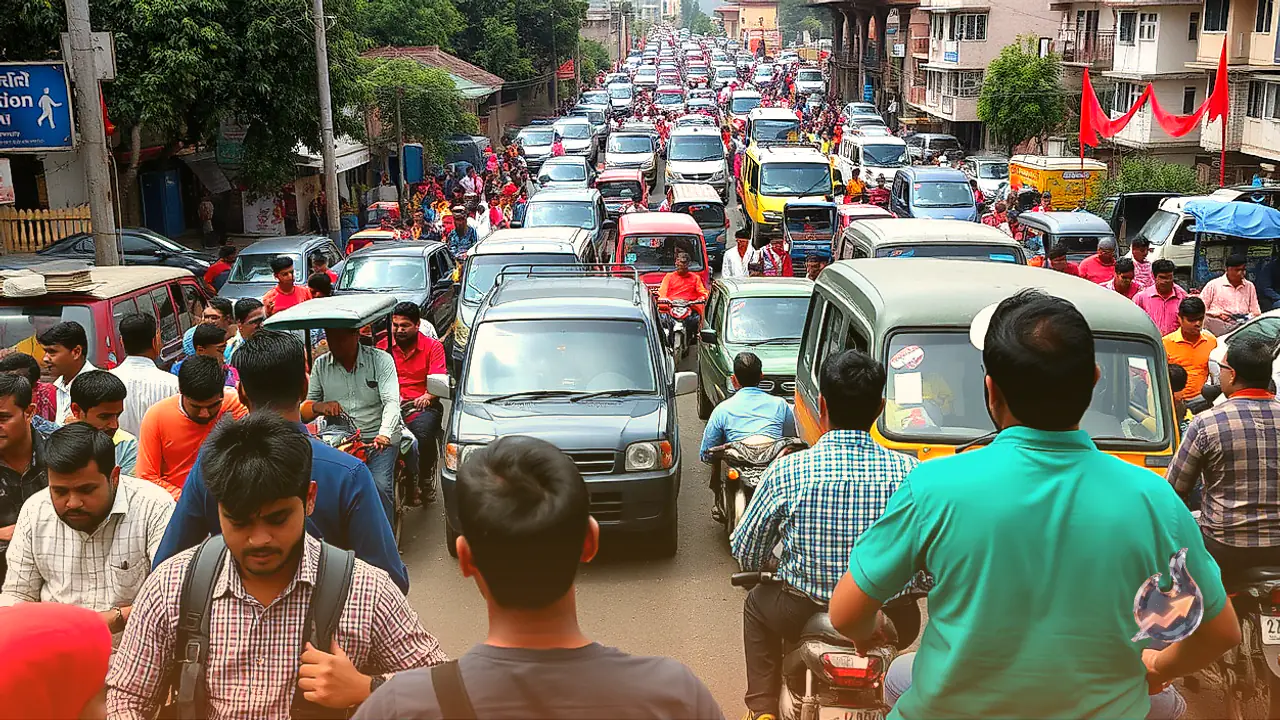

















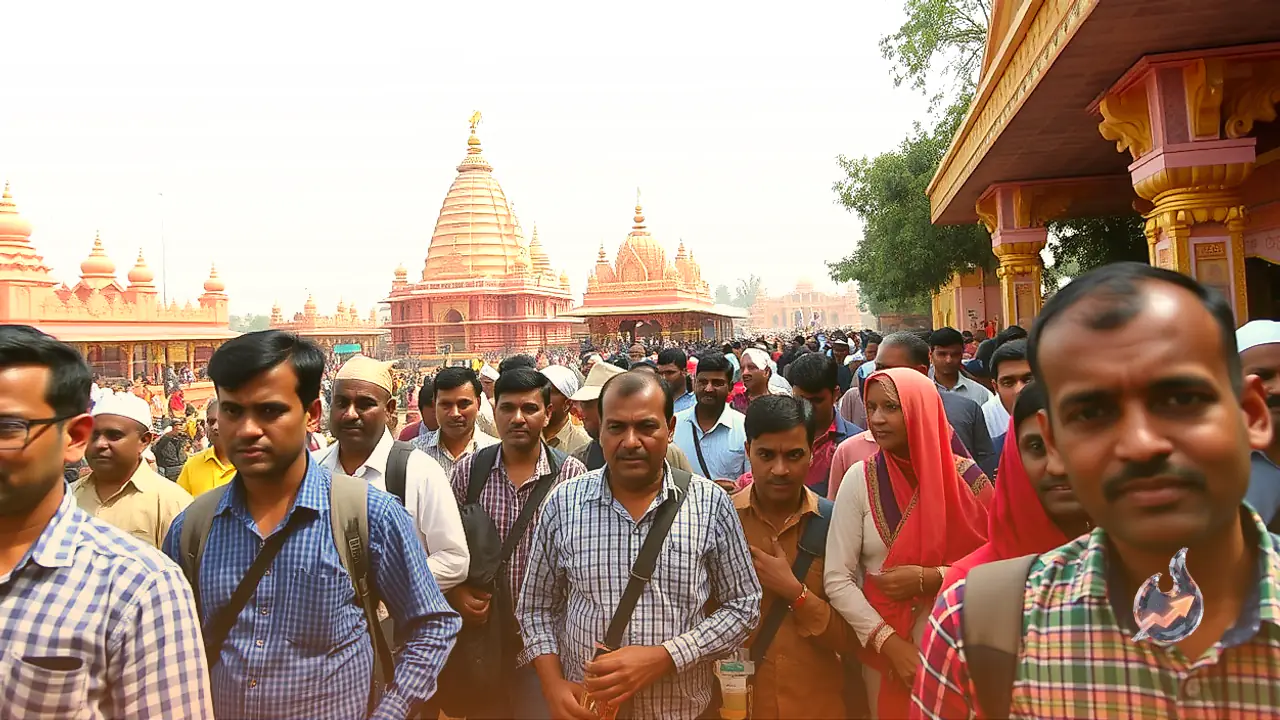

Authorities in Uttarakhand are preparing structural changes to manage the massive influx of pilgrims visiting the renowned Neem Karoli Baba Ashram, widely known as Kainchi Dham, situated in Nainital district. Confronted by severe traffic congestion, limited parking space, and overwhelming crowds during weekends and official holidays, the local administration is actively assessing proposals to introduce a mandatory visitor registration system alongside a cap on the maximum number of devotees permitted to enter each day.
Administrative Review and Stakeholder Consultations
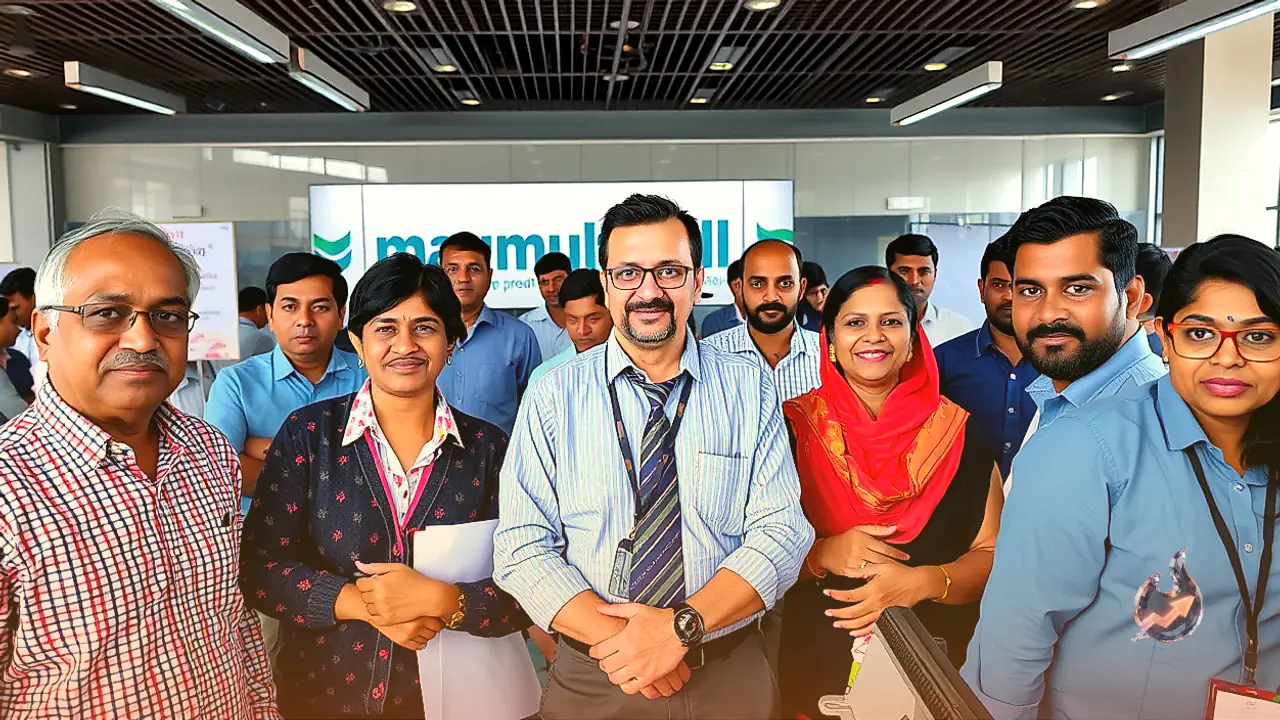
To address the mounting logistical strain around the shrine, Kumaon Commissioner Deepak Rawat convened a high-level review meeting involving key departmental officials, local hoteliers, and regional tourism stakeholders. The core focus of the deliberations centered on redesigning ground management systems so that visitor numbers align realistically with the physical carrying capacity of the hilly terrain.
During the meeting, stakeholders held detailed discussions on whether an advance registration protocol should be instituted for every devotee arriving at Kainchi Dham. The administration also evaluated the practical feasibility of capping daily arrivals at a predetermined ceiling. Officials noted that while both options received thorough analysis, no conclusive determination has been finalized yet.
Joint Ground Inspection by District Magistrate and Police Chief
Before implementing any binding policy, the administration has ordered an empirical assessment of the ground realities. Kumaon Commissioner Deepak Rawat stated that the District Magistrate of Nainital and the Senior Superintendent of Police of Nainital will execute a comprehensive joint inspection of the Kainchi Dham area.
This joint on-site inspection will systematically evaluate pilgrim movement corridors, vehicular traffic flow, actual road capacity, and the status of designated parking infrastructure. Following the site visit, the two top district officers will compile an exhaustive assessment report and submit it directly to the Commissioner's office. The ultimate administrative call regarding mandatory registration and daily entry quotas will be formulated strictly on the basis of findings outlined in this joint report. Officials reiterated that the initiative seeks to upgrade basic convenience for devotees while eliminating the regional gridlock.
Surging Weekend Crowds and Severe Parking Constraints
Footfall at Kainchi Dham has experienced an exponential surge over recent months, creating severe mobility hurdles throughout the corridor. On weekends and extended holidays, thousands of tourists and pilgrims converge simultaneously, causing acute bottlenecks along narrow mountain roads. Because available parking lots fill up rapidly, authorities are routinely compelled to halt private vehicles miles ahead of designated stops, leaving devotees to endure grueling queues and delays.
Administrative planners project that establishing a formal pre-registration gateway will pre-emptively regulate vehicular volume, flatten crowd peaks, and spare visitors from exhausting waits before entering the shrine.
Balancing Pilgrim Welfare with the Local Tourism Economy
The administration highlighted that any upcoming regulatory framework must safeguard the commercial viability of regional enterprises. Input from hotel proprietors and local traders gathered during the consultative session highlighted the economic dependence of the valley on pilgrim mobility. Authorities maintain that optimizing safety and crowd flow must run parallel to protecting local hospitality and commerce. All operational, commercial, and safety perspectives will be reconciled within the final joint inspection report before any definitive rules take effect.